
About This Book
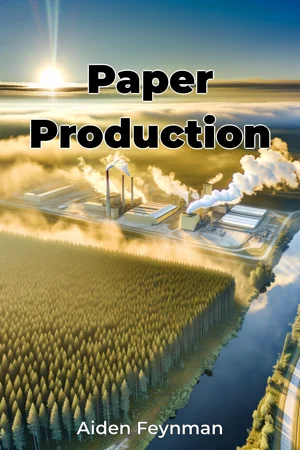
"Paper Production" presents a comprehensive exploration of one of humanity's most fundamental yet often overlooked manufacturing processes. From ancient papyrus to modern recycling techniques, this detailed examination reveals how this versatile material shapes our world through documentation, communication, and countless practical applications. The book systematically analyzes three core aspects of paper production: raw material sourcing and preparation, manufacturing processes, and environmental considerations. Beginning with forest management and fiber selection, readers discover how different wood species yield varying paper qualities, and how alternative materials like bamboo and agricultural residues are revolutionizing the industry. The central thesis argues that paper production represents a critical intersection of traditional manufacturing knowledge and modern sustainable practices, demonstrating how technological innovation can balance industrial efficiency with environmental responsibility. This argument is developed through detailed technical analysis, historical context, and contemporary case studies from leading paper manufacturers worldwide. The content is structured in three main sections. The first examines the chemistry and physics of fiber processing, including detailed explanations of pulping methods, from mechanical to chemical processes. The second section focuses on the actual paper-making process, covering formation, pressing, drying, and finishing. The final section addresses quality control, environmental impact, and future innovations in the industry. Supporting evidence comes from extensive industrial research, including data from major paper producers, environmental impact studies, and technical specifications from equipment manufacturers. The book incorporates recent findings from forestry management studies and chemical engineering advances, providing readers with current industry standards and practices. The work connects multiple disciplines, including chemistry, engineering, environmental science, and economics. These intersections help readers understand how paper production influences global trade, affects environmental policies, and drives technological innovation in related industries. The book's unique approach lies in its integration of traditional manufacturing knowledge with modern sustainability concerns, offering practical solutions for reducing water consumption, minimizing chemical usage, and implementing closed-loop manufacturing systems. Written in a technical yet accessible style, the text balances detailed scientific explanations with practical industry applications. While maintaining academic rigor, it uses clear language and detailed diagrams to explain complex processes. The target audience includes industry professionals, engineering students, and business leaders involved in manufacturing or sustainability initiatives. The content serves both as an educational resource and a practical guide for implementation. The scope encompasses the entire paper production cycle, from forest to finished product, while acknowledging regional variations in manufacturing methods and environmental regulations. It addresses current industry challenges, including the shift toward digital media and increasing demand for sustainable practices. Real-world applications include optimization strategies for existing paper mills, guidelines for implementing recycling programs, and methods for reducing environmental impact while maintaining product quality. The book also examines ongoing debates regarding the balance between paper production and forest conservation, as well as the role of paper products in a digital age. The work maintains objectivity when discussing controversial topics such as deforestation and chemical processing methods, presenting multiple perspectives and evidence-based solutions rather than advocating for specific positions. By providing this comprehensive overview of paper production, the book serves as both a technical reference and a guide to understanding one of civilization's most essential manufacturing processes.
"Paper Production" presents a comprehensive exploration of one of humanity's most fundamental yet often overlooked manufacturing processes. From ancient papyrus to modern recycling techniques, this detailed examination reveals how this versatile material shapes our world through documentation, communication, and countless practical applications. The book systematically analyzes three core aspects of paper production: raw material sourcing and preparation, manufacturing processes, and environmental considerations. Beginning with forest management and fiber selection, readers discover how different wood species yield varying paper qualities, and how alternative materials like bamboo and agricultural residues are revolutionizing the industry. The central thesis argues that paper production represents a critical intersection of traditional manufacturing knowledge and modern sustainable practices, demonstrating how technological innovation can balance industrial efficiency with environmental responsibility. This argument is developed through detailed technical analysis, historical context, and contemporary case studies from leading paper manufacturers worldwide. The content is structured in three main sections. The first examines the chemistry and physics of fiber processing, including detailed explanations of pulping methods, from mechanical to chemical processes. The second section focuses on the actual paper-making process, covering formation, pressing, drying, and finishing. The final section addresses quality control, environmental impact, and future innovations in the industry. Supporting evidence comes from extensive industrial research, including data from major paper producers, environmental impact studies, and technical specifications from equipment manufacturers. The book incorporates recent findings from forestry management studies and chemical engineering advances, providing readers with current industry standards and practices. The work connects multiple disciplines, including chemistry, engineering, environmental science, and economics. These intersections help readers understand how paper production influences global trade, affects environmental policies, and drives technological innovation in related industries. The book's unique approach lies in its integration of traditional manufacturing knowledge with modern sustainability concerns, offering practical solutions for reducing water consumption, minimizing chemical usage, and implementing closed-loop manufacturing systems. Written in a technical yet accessible style, the text balances detailed scientific explanations with practical industry applications. While maintaining academic rigor, it uses clear language and detailed diagrams to explain complex processes. The target audience includes industry professionals, engineering students, and business leaders involved in manufacturing or sustainability initiatives. The content serves both as an educational resource and a practical guide for implementation. The scope encompasses the entire paper production cycle, from forest to finished product, while acknowledging regional variations in manufacturing methods and environmental regulations. It addresses current industry challenges, including the shift toward digital media and increasing demand for sustainable practices. Real-world applications include optimization strategies for existing paper mills, guidelines for implementing recycling programs, and methods for reducing environmental impact while maintaining product quality. The book also examines ongoing debates regarding the balance between paper production and forest conservation, as well as the role of paper products in a digital age. The work maintains objectivity when discussing controversial topics such as deforestation and chemical processing methods, presenting multiple perspectives and evidence-based solutions rather than advocating for specific positions. By providing this comprehensive overview of paper production, the book serves as both a technical reference and a guide to understanding one of civilization's most essential manufacturing processes.
"Paper Production" delivers a thorough exploration of paper manufacturing, bridging traditional techniques with modern sustainable practices. This comprehensive guide examines the entire production cycle, from forest management and fiber selection to finished products, while addressing crucial environmental considerations. The book uniquely integrates technical expertise with practical sustainability solutions, making complex industrial processes accessible to both industry professionals and students. The text progresses logically through three main sections: raw material preparation, manufacturing processes, and environmental impact. Readers learn how different wood species affect paper quality, explore various pulping methods, and discover how alternative materials like bamboo are transforming the industry. The book details fascinating technical aspects, such as the chemistry of fiber processing and the physics of paper formation, while maintaining a clear focus on practical applications and real-world case studies from global manufacturers. What sets this book apart is its balanced approach to addressing contemporary challenges in paper production. While explaining traditional manufacturing methods, it emphasizes innovative solutions for reducing water consumption, implementing closed-loop systems, and advancing sustainable practices. The content connects multiple disciplines, from chemical engineering to environmental science, providing readers with a holistic understanding of how paper production influences global trade and environmental policies, all while maintaining an accessible writing style that makes complex concepts digestible for a broad audience.
Book Details
ISBN
9788233934026
Publisher
Publifye AS
Your Licenses
You don't own any licenses for this book
Purchase a license below to unlock this book and download the EPUB.
Purchase License
Select a tier to unlock this book
Need bulk licensing?
Contact us for enterprise agreements.