
About This Book
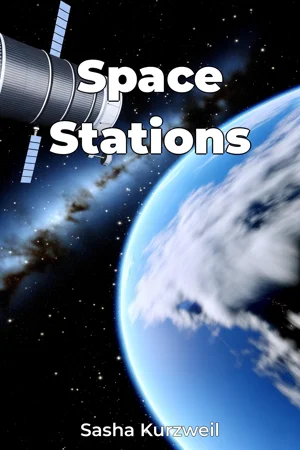
"Space Stations" opens with a thought-provoking question: "What if humans could live and work in the vastness of space?" This book delves into the fascinating world of space stations, exploring their design, functionality, and significance in the realm of space exploration and scientific research. The book covers three main topics: the historical development of space stations, their technological components, and their role in advancing human knowledge. These topics are crucial for understanding humanity's progress in space exploration and the potential for future off-world habitation. To provide context, the book traces the evolution of space stations from early conceptual designs to modern-day implementations. It explains the Cold War-era space race that spurred initial developments and the subsequent international collaborations that have shaped current space station projects. Readers are introduced to basic principles of orbital mechanics and spacecraft design, providing a foundation for understanding the complexities of space station operations. The central argument of "Space Stations" is that these orbital outposts represent a critical stepping stone for humanity's expansion into space and serve as invaluable platforms for scientific research that cannot be conducted on Earth. The book emphasizes the unique microgravity environment of space stations and how it enables groundbreaking experiments in physics, biology, and materials science. The content is structured to guide readers through the intricacies of space stations. It begins by introducing the concept and historical background, then delves into the engineering challenges of constructing and maintaining a habitable environment in space. The book explores life support systems, power generation, and communication technologies. It culminates in an examination of current research being conducted on space stations and the potential for future developments, including their role in deep space exploration missions. To support its arguments, the book draws upon a wealth of scientific data, engineering specifications, and firsthand accounts from astronauts and mission controllers. It incorporates information from space agencies worldwide, including NASA, ESA, and Roscosmos, providing a comprehensive global perspective on space station development and utilization. "Space Stations" makes interdisciplinary connections to fields such as astronomy, aerospace engineering, and international relations. It explores how space stations have influenced satellite technology and how diplomatic negotiations have shaped international space cooperation. The book takes a unique approach by balancing technical details with human interest stories, making complex concepts accessible to a general audience while maintaining scientific accuracy. It employs a mix of expository writing and narrative non-fiction, using clear explanations interspersed with anecdotes from space station missions to illustrate key points. Written for science enthusiasts, students, and general readers interested in space exploration, "Space Stations" provides valuable insights into the challenges and triumphs of living and working in orbit. It adheres to the conventions of science writing, presenting factual information with clarity and precision while avoiding sensationalism. While the book focuses primarily on crewed space stations, it acknowledges the existence and importance of uncrewed space platforms. It also addresses ongoing debates in the space community, such as the merits of government-funded versus commercial space stations and the ethical considerations of long-term human presence in space. "Space Stations" offers practical applications for readers, discussing how technologies developed for space stations have found uses on Earth, particularly in fields like medicine and materials science. It also explores potential career paths in the growing space industry. Throughout the book, the tone remains informative and engaging, striking a balance between technical detail and accessibility. By avoiding hyperbole and focusing on factual content, "Space Stations" presents a comprehensive, objective look at these remarkable orbital structures and their significance in the broader context of human space exploration.
"Space Stations" opens with a thought-provoking question: "What if humans could live and work in the vastness of space?" This book delves into the fascinating world of space stations, exploring their design, functionality, and significance in the realm of space exploration and scientific research. The book covers three main topics: the historical development of space stations, their technological components, and their role in advancing human knowledge. These topics are crucial for understanding humanity's progress in space exploration and the potential for future off-world habitation. To provide context, the book traces the evolution of space stations from early conceptual designs to modern-day implementations. It explains the Cold War-era space race that spurred initial developments and the subsequent international collaborations that have shaped current space station projects. Readers are introduced to basic principles of orbital mechanics and spacecraft design, providing a foundation for understanding the complexities of space station operations. The central argument of "Space Stations" is that these orbital outposts represent a critical stepping stone for humanity's expansion into space and serve as invaluable platforms for scientific research that cannot be conducted on Earth. The book emphasizes the unique microgravity environment of space stations and how it enables groundbreaking experiments in physics, biology, and materials science. The content is structured to guide readers through the intricacies of space stations. It begins by introducing the concept and historical background, then delves into the engineering challenges of constructing and maintaining a habitable environment in space. The book explores life support systems, power generation, and communication technologies. It culminates in an examination of current research being conducted on space stations and the potential for future developments, including their role in deep space exploration missions. To support its arguments, the book draws upon a wealth of scientific data, engineering specifications, and firsthand accounts from astronauts and mission controllers. It incorporates information from space agencies worldwide, including NASA, ESA, and Roscosmos, providing a comprehensive global perspective on space station development and utilization. "Space Stations" makes interdisciplinary connections to fields such as astronomy, aerospace engineering, and international relations. It explores how space stations have influenced satellite technology and how diplomatic negotiations have shaped international space cooperation. The book takes a unique approach by balancing technical details with human interest stories, making complex concepts accessible to a general audience while maintaining scientific accuracy. It employs a mix of expository writing and narrative non-fiction, using clear explanations interspersed with anecdotes from space station missions to illustrate key points. Written for science enthusiasts, students, and general readers interested in space exploration, "Space Stations" provides valuable insights into the challenges and triumphs of living and working in orbit. It adheres to the conventions of science writing, presenting factual information with clarity and precision while avoiding sensationalism. While the book focuses primarily on crewed space stations, it acknowledges the existence and importance of uncrewed space platforms. It also addresses ongoing debates in the space community, such as the merits of government-funded versus commercial space stations and the ethical considerations of long-term human presence in space. "Space Stations" offers practical applications for readers, discussing how technologies developed for space stations have found uses on Earth, particularly in fields like medicine and materials science. It also explores potential career paths in the growing space industry. Throughout the book, the tone remains informative and engaging, striking a balance between technical detail and accessibility. By avoiding hyperbole and focusing on factual content, "Space Stations" presents a comprehensive, objective look at these remarkable orbital structures and their significance in the broader context of human space exploration.
"Space Stations" explores the captivating world of orbital outposts, tracing their evolution from early concepts to modern marvels of human ingenuity. This comprehensive book delves into the design, functionality, and significance of space stations in advancing space exploration and scientific research. It highlights the unique microgravity environment that enables groundbreaking experiments in physics, biology, and materials science, emphasizing how these orbital platforms serve as critical stepping stones for humanity's expansion into space. The book progresses through three main topics: historical development, technological components, and the role of space stations in advancing human knowledge. Readers are introduced to the basic principles of orbital mechanics and spacecraft design, providing a foundation for understanding the complexities of space station operations. "Space Stations" balances technical details with human interest stories, making complex concepts accessible to a general audience while maintaining scientific accuracy. By incorporating information from space agencies worldwide and drawing upon scientific data, engineering specifications, and firsthand accounts from astronauts, the book offers a global perspective on space station development and utilization. It also explores the interdisciplinary connections between space stations and fields such as astronomy, aerospace engineering, and international relations, providing readers with a comprehensive understanding of these remarkable orbital structures and their significance in the broader context of human space exploration.
Book Details
ISBN
9788233933951
Publisher
Publifye AS
Your Licenses
You don't own any licenses for this book
Purchase a license below to unlock this book and download the EPUB.
Purchase License
Select a tier to unlock this book
Need bulk licensing?
Contact us for enterprise agreements.