
About This Book
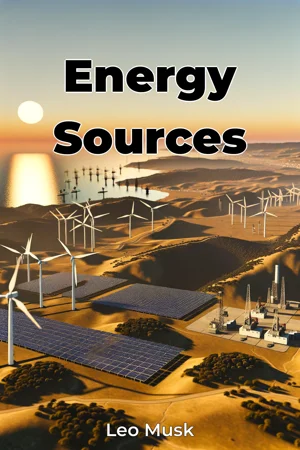
"Energy Sources: Mapping the Future of Power" In an era of increasing energy demand and environmental concerns, understanding our energy sources has never been more crucial. This book delves into the complex world of energy production and consumption, examining both industrial-scale operations and solutions for individual households. By leveraging Geographic Information Systems (GIS) and remote sensing technologies, we uncover the spatial and temporal dynamics of energy resources, providing readers with a comprehensive view of our energy landscape. The book focuses on three main topics: conventional fossil fuels, renewable energy sources, and emerging technologies in energy production. These topics are pivotal in shaping our energy future, influencing everything from global economics to climate change mitigation strategies. By exploring these areas, readers will gain insights into the challenges and opportunities present in our evolving energy sector. To fully appreciate the current energy landscape, the book provides historical context on the development of various energy sources. It traces the path from early coal mining to the discovery of oil and natural gas, and the more recent advancements in renewable technologies. This background sets the stage for understanding the complex interplay between energy production, economic development, and environmental impact. The central argument of this book is that a diversified energy portfolio, optimized through GIS and remote sensing technologies, is essential for ensuring energy security and sustainability. We posit that by accurately mapping and analyzing energy resources, we can make more informed decisions about energy infrastructure development and policy-making. The content is structured to guide readers through the energy landscape systematically. We begin by introducing key concepts in energy production and GIS/remote sensing technologies. The book then explores each major energy source in detail, examining their geographical distribution, extraction or harvesting methods, and environmental impacts. We conclude by discussing the integration of various energy sources and the role of smart grid technologies in optimizing energy distribution. Throughout the book, we present evidence from satellite imagery, geological surveys, and energy consumption data to support our arguments. We utilize case studies from different regions to illustrate how GIS and remote sensing are being used to map energy potential, plan infrastructure, and monitor environmental impacts. This work connects several disciplines, including geology, environmental science, and data analytics. By bridging these fields, we provide a holistic view of energy systems and their interactions with the environment and society. Our unique approach lies in the application of cutting-edge GIS and remote sensing technologies to energy resource management. We demonstrate how these tools can be used to identify optimal locations for renewable energy installations, monitor the efficiency of existing power plants, and predict future energy demands based on population trends and economic factors. The writing style is academic yet accessible, aimed at researchers, policymakers, and informed citizens interested in energy and environmental issues. We strive to present complex technical information in a clear, engaging manner, using visual aids such as maps, charts, and satellite imagery to illustrate key concepts. This book is particularly valuable for students and professionals in the fields of energy, environmental science, and GIS. It provides a solid foundation in energy systems while also offering practical insights into the application of geospatial technologies in this sector. In line with the conventions of GIS and remote sensing literature, we include numerous maps and spatial analyses. These visual elements are integral to understanding the geographical aspects of energy production and distribution. While the book covers a wide range of energy sources and technologies, it focuses primarily on current and near-future scenarios. We acknowledge that the rapidly evolving nature of energy technology means that some emerging technologies may not be covered in depth. Readers can apply the knowledge gained from this book in various ways, from making informed decisions about personal energy use to contributing to larger-scale energy planning initiatives. The GIS and remote sensing techniques described can be adapted to analyze energy potential in specific regions or to assess the environmental impact of energy projects. The book addresses ongoing debates in the energy sector, such as the feasibility of a 100% renewable energy future and the role of nuclear power in a low-carbon energy mix. We present balanced arguments, backed by data and spatial analysis, to help readers form their own informed opinions on these critical issues. By combining comprehensive energy knowledge with advanced geospatial analysis, "Energy Sources: Mapping the Future of Power" offers a unique and valuable perspective on one of the most pressing challenges of our time. It equips readers with the knowledge and tools to understand and contribute to shaping our energy future.
"Energy Sources: Mapping the Future of Power" In an era of increasing energy demand and environmental concerns, understanding our energy sources has never been more crucial. This book delves into the complex world of energy production and consumption, examining both industrial-scale operations and solutions for individual households. By leveraging Geographic Information Systems (GIS) and remote sensing technologies, we uncover the spatial and temporal dynamics of energy resources, providing readers with a comprehensive view of our energy landscape. The book focuses on three main topics: conventional fossil fuels, renewable energy sources, and emerging technologies in energy production. These topics are pivotal in shaping our energy future, influencing everything from global economics to climate change mitigation strategies. By exploring these areas, readers will gain insights into the challenges and opportunities present in our evolving energy sector. To fully appreciate the current energy landscape, the book provides historical context on the development of various energy sources. It traces the path from early coal mining to the discovery of oil and natural gas, and the more recent advancements in renewable technologies. This background sets the stage for understanding the complex interplay between energy production, economic development, and environmental impact. The central argument of this book is that a diversified energy portfolio, optimized through GIS and remote sensing technologies, is essential for ensuring energy security and sustainability. We posit that by accurately mapping and analyzing energy resources, we can make more informed decisions about energy infrastructure development and policy-making. The content is structured to guide readers through the energy landscape systematically. We begin by introducing key concepts in energy production and GIS/remote sensing technologies. The book then explores each major energy source in detail, examining their geographical distribution, extraction or harvesting methods, and environmental impacts. We conclude by discussing the integration of various energy sources and the role of smart grid technologies in optimizing energy distribution. Throughout the book, we present evidence from satellite imagery, geological surveys, and energy consumption data to support our arguments. We utilize case studies from different regions to illustrate how GIS and remote sensing are being used to map energy potential, plan infrastructure, and monitor environmental impacts. This work connects several disciplines, including geology, environmental science, and data analytics. By bridging these fields, we provide a holistic view of energy systems and their interactions with the environment and society. Our unique approach lies in the application of cutting-edge GIS and remote sensing technologies to energy resource management. We demonstrate how these tools can be used to identify optimal locations for renewable energy installations, monitor the efficiency of existing power plants, and predict future energy demands based on population trends and economic factors. The writing style is academic yet accessible, aimed at researchers, policymakers, and informed citizens interested in energy and environmental issues. We strive to present complex technical information in a clear, engaging manner, using visual aids such as maps, charts, and satellite imagery to illustrate key concepts. This book is particularly valuable for students and professionals in the fields of energy, environmental science, and GIS. It provides a solid foundation in energy systems while also offering practical insights into the application of geospatial technologies in this sector. In line with the conventions of GIS and remote sensing literature, we include numerous maps and spatial analyses. These visual elements are integral to understanding the geographical aspects of energy production and distribution. While the book covers a wide range of energy sources and technologies, it focuses primarily on current and near-future scenarios. We acknowledge that the rapidly evolving nature of energy technology means that some emerging technologies may not be covered in depth. Readers can apply the knowledge gained from this book in various ways, from making informed decisions about personal energy use to contributing to larger-scale energy planning initiatives. The GIS and remote sensing techniques described can be adapted to analyze energy potential in specific regions or to assess the environmental impact of energy projects. The book addresses ongoing debates in the energy sector, such as the feasibility of a 100% renewable energy future and the role of nuclear power in a low-carbon energy mix. We present balanced arguments, backed by data and spatial analysis, to help readers form their own informed opinions on these critical issues. By combining comprehensive energy knowledge with advanced geospatial analysis, "Energy Sources: Mapping the Future of Power" offers a unique and valuable perspective on one of the most pressing challenges of our time. It equips readers with the knowledge and tools to understand and contribute to shaping our energy future.
"Energy Sources: Mapping the Future of Power" offers a comprehensive exploration of the global energy landscape, leveraging Geographic Information Systems (GIS) and remote sensing technologies to provide unique insights into our power production and consumption patterns. This book examines conventional fossil fuels, renewable energy sources, and emerging technologies, emphasizing the crucial role of a diversified energy portfolio in ensuring energy security and sustainability. The authors present a systematic journey through the energy sector, starting with key concepts and progressing to detailed analyses of major energy sources. They utilize satellite imagery, geological surveys, and energy consumption data to support their arguments, offering readers a visual and data-driven understanding of complex energy systems. The book's unique approach lies in its application of cutting-edge GIS and remote sensing technologies to energy resource management, demonstrating how these tools can optimize renewable energy installations, monitor power plant efficiency, and predict future energy demands. By bridging multiple disciplines and presenting information in an accessible yet academic style, this book serves as an invaluable resource for researchers, policymakers, and informed citizens interested in the future of energy. It not only provides a solid foundation in energy systems but also offers practical insights into the application of geospatial technologies in this critical sector, making it particularly useful for students and professionals in the fields of energy, environmental science, and GIS.
Book Details
ISBN
9788233933845
Publisher
Publifye AS
Your Licenses
You don't own any licenses for this book
Purchase a license below to unlock this book and download the EPUB.
Purchase License
Select a tier to unlock this book
Need bulk licensing?
Contact us for enterprise agreements.