
About This Book
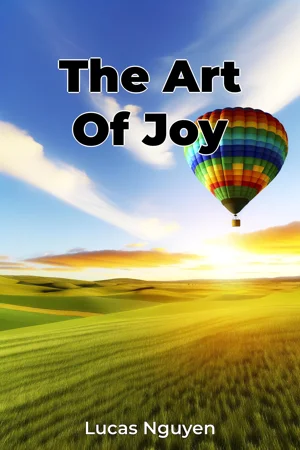
"What if the pursuit of happiness has led us astray from true fulfillment?" This provocative question sets the stage for "The Art of Joy," a groundbreaking exploration of how we can cultivate genuine joy in our lives and relationships. Drawing from extensive research in positive psychology, neuroscience, and social studies, this book challenges conventional notions of fun and happiness, offering a fresh perspective on how to achieve lasting contentment and meaningful experiences. The book delves into three key topics: the nature of joy, the social dynamics of fun, and the practice of authentic enjoyment. These interconnected themes form the foundation for understanding how we can move beyond superficial pleasures to create deeply satisfying lives. By examining the psychological and sociological factors that influence our perception of fun, the author provides readers with a comprehensive framework for reimagining their approach to joy. To contextualize these concepts, the book traces the historical evolution of leisure activities and societal attitudes towards pleasure. From ancient philosophical debates on eudaimonia to modern consumer culture's impact on our pursuit of happiness, readers gain a nuanced understanding of how our current notions of fun have been shaped over time. The central argument of "The Art of Joy" posits that true fun and joy arise from a harmonious balance between personal fulfillment and social connection. The author contends that by shifting our focus from individualistic pursuits to shared experiences that honor both self and others, we can unlock a more profound and sustainable sense of joy. The book is structured in three parts. Part One introduces the foundational concepts of joy and fun, challenging readers to examine their own beliefs and experiences. Part Two explores the social dimensions of enjoyment, including how cultural norms and interpersonal dynamics influence our capacity for joy. Part Three offers practical strategies for cultivating authentic fun in various aspects of life, from work to relationships to personal hobbies. To support its arguments, the book draws on a wide range of evidence, including longitudinal studies on happiness, neuroimaging research on the brain's reward systems, and qualitative data from interviews with individuals who have mastered the art of joyful living. The author also incorporates insights from positive psychology interventions and mindfulness practices to provide a holistic view of joy cultivation. "The Art of Joy" makes interdisciplinary connections to fields such as sociology, anthropology, and behavioral economics. By integrating perspectives from these diverse disciplines, the book offers a multifaceted understanding of how cultural, social, and economic factors influence our experience of fun and joy. What sets this book apart is its innovative approach to reframing joy as a skill that can be developed rather than a fleeting emotion or circumstantial occurrence. The author introduces the concept of "joy literacy" – the ability to recognize, create, and sustain genuine moments of joy in various contexts. Written in an engaging, narrative non-fiction style, "The Art of Joy" balances academic rigor with relatable anecdotes and practical advice. The tone is informative yet warm, making complex concepts accessible to a general audience while maintaining depth for more scholarly readers. This book is primarily aimed at adults seeking personal growth and a more fulfilling life. It will particularly appeal to those interested in positive psychology, mindfulness, and social dynamics, as well as professionals in fields related to mental health and well-being. While the book covers a broad range of topics related to joy and fun, it acknowledges limitations in addressing every possible cultural context or individual circumstance. Instead, it focuses on providing a flexible framework that readers can adapt to their unique situations. Readers will find numerous real-world applications throughout the book, including exercises for identifying personal sources of joy, strategies for enhancing social connections, and techniques for infusing everyday activities with more genuine fun. These practical tools empower readers to immediately begin transforming their approach to enjoyment and well-being. "The Art of Joy" also addresses ongoing debates in the field of happiness studies, such as the role of material wealth in life satisfaction and the potential drawbacks of the "happiness industry." By engaging with these controversies, the book encourages critical thinking and nuanced perspectives on the nature of joy. In sum, "The Art of Joy" offers a comprehensive, evidence-based guide to cultivating authentic fun and lasting joy. By reframing our understanding of enjoyment and providing practical strategies for its cultivation, this book equips readers with the tools to create more fulfilling lives and relationships, fostering a deeper sense of well-being and connection in an often-challenging world.
"What if the pursuit of happiness has led us astray from true fulfillment?" This provocative question sets the stage for "The Art of Joy," a groundbreaking exploration of how we can cultivate genuine joy in our lives and relationships. Drawing from extensive research in positive psychology, neuroscience, and social studies, this book challenges conventional notions of fun and happiness, offering a fresh perspective on how to achieve lasting contentment and meaningful experiences. The book delves into three key topics: the nature of joy, the social dynamics of fun, and the practice of authentic enjoyment. These interconnected themes form the foundation for understanding how we can move beyond superficial pleasures to create deeply satisfying lives. By examining the psychological and sociological factors that influence our perception of fun, the author provides readers with a comprehensive framework for reimagining their approach to joy. To contextualize these concepts, the book traces the historical evolution of leisure activities and societal attitudes towards pleasure. From ancient philosophical debates on eudaimonia to modern consumer culture's impact on our pursuit of happiness, readers gain a nuanced understanding of how our current notions of fun have been shaped over time. The central argument of "The Art of Joy" posits that true fun and joy arise from a harmonious balance between personal fulfillment and social connection. The author contends that by shifting our focus from individualistic pursuits to shared experiences that honor both self and others, we can unlock a more profound and sustainable sense of joy. The book is structured in three parts. Part One introduces the foundational concepts of joy and fun, challenging readers to examine their own beliefs and experiences. Part Two explores the social dimensions of enjoyment, including how cultural norms and interpersonal dynamics influence our capacity for joy. Part Three offers practical strategies for cultivating authentic fun in various aspects of life, from work to relationships to personal hobbies. To support its arguments, the book draws on a wide range of evidence, including longitudinal studies on happiness, neuroimaging research on the brain's reward systems, and qualitative data from interviews with individuals who have mastered the art of joyful living. The author also incorporates insights from positive psychology interventions and mindfulness practices to provide a holistic view of joy cultivation. "The Art of Joy" makes interdisciplinary connections to fields such as sociology, anthropology, and behavioral economics. By integrating perspectives from these diverse disciplines, the book offers a multifaceted understanding of how cultural, social, and economic factors influence our experience of fun and joy. What sets this book apart is its innovative approach to reframing joy as a skill that can be developed rather than a fleeting emotion or circumstantial occurrence. The author introduces the concept of "joy literacy" – the ability to recognize, create, and sustain genuine moments of joy in various contexts. Written in an engaging, narrative non-fiction style, "The Art of Joy" balances academic rigor with relatable anecdotes and practical advice. The tone is informative yet warm, making complex concepts accessible to a general audience while maintaining depth for more scholarly readers. This book is primarily aimed at adults seeking personal growth and a more fulfilling life. It will particularly appeal to those interested in positive psychology, mindfulness, and social dynamics, as well as professionals in fields related to mental health and well-being. While the book covers a broad range of topics related to joy and fun, it acknowledges limitations in addressing every possible cultural context or individual circumstance. Instead, it focuses on providing a flexible framework that readers can adapt to their unique situations. Readers will find numerous real-world applications throughout the book, including exercises for identifying personal sources of joy, strategies for enhancing social connections, and techniques for infusing everyday activities with more genuine fun. These practical tools empower readers to immediately begin transforming their approach to enjoyment and well-being. "The Art of Joy" also addresses ongoing debates in the field of happiness studies, such as the role of material wealth in life satisfaction and the potential drawbacks of the "happiness industry." By engaging with these controversies, the book encourages critical thinking and nuanced perspectives on the nature of joy. In sum, "The Art of Joy" offers a comprehensive, evidence-based guide to cultivating authentic fun and lasting joy. By reframing our understanding of enjoyment and providing practical strategies for its cultivation, this book equips readers with the tools to create more fulfilling lives and relationships, fostering a deeper sense of well-being and connection in an often-challenging world.
The Art Of Joy challenges conventional ideas about happiness, offering a fresh perspective on cultivating genuine joy in our lives. This groundbreaking book explores the nature of joy, the social dynamics of fun, and the practice of authentic enjoyment, drawing from positive psychology, neuroscience, and social studies. It argues that true fulfillment arises from balancing personal growth with social connections, introducing the concept of joy literacy as a skill that can be developed. The book progresses through three parts, examining foundational concepts, social dimensions of enjoyment, and practical strategies for cultivating authentic fun. It combines academic rigor with relatable anecdotes, making complex ideas accessible to a general audience interested in personal growth and self-help. By integrating perspectives from various disciplines, including sociology and behavioral economics, it offers a multifaceted understanding of how cultural and social factors influence our experience of joy. What sets The Art Of Joy apart is its innovative approach to reframing joy as a skill rather than a fleeting emotion. It provides readers with practical tools and exercises to identify personal sources of joy, enhance social connections, and infuse everyday activities with more genuine fun. This comprehensive guide empowers readers to transform their approach to well-being, fostering a deeper sense of fulfillment and connection in an often-challenging world.
Book Details
ISBN
9788233933838
Publisher
Publifye AS
Your Licenses
You don't own any licenses for this book
Purchase a license below to unlock this book and download the EPUB.
Purchase License
Select a tier to unlock this book
Need bulk licensing?
Contact us for enterprise agreements.