
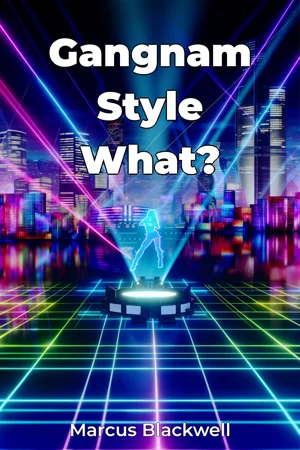
About This Book
"Gangnam Style What?" opens with a provocative question: How did a catchy Korean pop song become a global cultural phenomenon, and what does it reveal about the interconnectedness of our modern world? This book delves into the fascinating story of "Gangnam Style," exploring its origins, explosive popularity, and lasting impact on popular culture and international relations. The book covers three main topics: the creation and rise of "Gangnam Style," its role in globalizing Korean popular culture, and its significance as a case study in viral media and cultural diplomacy. These topics are crucial for understanding the dynamics of global cultural exchange in the digital age and the evolving landscape of soft power in international relations. To provide context, the book first introduces readers to the world of K-pop and the Gangnam district of Seoul, explaining how this affluent area became synonymous with South Korean aspirations and excess. It then traces the career of Psy, the artist behind "Gangnam Style," offering insight into the Korean music industry and the factors that led to the song's creation. The central argument of "Gangnam Style What?" is that the song's unprecedented success represents a turning point in global cultural dynamics, demonstrating the potential for non-Western cultural products to achieve worldwide recognition and influence. This shift challenges traditional notions of cultural imperialism and highlights the increasing multipolarity of global pop culture. The book is structured to guide readers through the "Gangnam Style" phenomenon chronologically and thematically. It begins with the song's release and initial reception in South Korea, then explores its viral spread through social media and YouTube. The narrative then expands to examine the song's impact on Korea's cultural exports, its reception in different countries, and its long-term effects on international perceptions of South Korea. To support its arguments, the book draws on a wide range of sources, including interviews with music industry insiders, social media analytics, and academic studies on cultural globalization. It also incorporates economic data on the Korean entertainment industry and surveys on changing international attitudes towards South Korea. "Gangnam Style What?" makes interdisciplinary connections between music studies, cultural anthropology, and international relations. It explores how the song's success intersects with theories of soft power and public diplomacy, and examines its impact on Korea's nation branding efforts. The book's unique perspective lies in its comprehensive approach to the "Gangnam Style" phenomenon, treating it not just as a musical curiosity but as a lens through which to view broader trends in globalization, digital culture, and international relations. It combines academic rigor with accessible prose, making complex concepts understandable to a general audience. Written in a style that balances scholarly analysis with engaging storytelling, "Gangnam Style What?" is aimed at readers interested in popular culture, global affairs, and the intersection of media and society. It will appeal to students and professionals in fields such as media studies, international relations, and cultural studies, as well as general readers curious about the mechanics of viral phenomena. As a work of world history and music history, the book places "Gangnam Style" within the broader context of global cultural exchange, drawing comparisons with previous international music sensations and examining how digital platforms have transformed the landscape of cultural dissemination. While the book focuses primarily on "Gangnam Style" and its immediate impact, it also acknowledges the limitations of extrapolating too broadly from a single case study. It addresses ongoing debates about cultural appropriation, the sustainability of K-pop's global appeal, and the long-term implications of viral phenomena for cultural diplomacy. "Gangnam Style What?" offers practical insights for readers interested in understanding and navigating the complex world of global media and cultural exchange. It provides lessons for content creators, marketers, and policymakers on leveraging digital platforms for cultural promotion and international engagement. Throughout, the book maintains a balanced perspective, acknowledging both the positive and negative aspects of "Gangnam Style's" impact. It addresses controversies surrounding the commodification of culture and the potential for viral phenomena to oversimplify complex cultural narratives. By examining the "Gangnam Style" phenomenon from multiple angles, this book offers a comprehensive exploration of how a single song came to embody the complexities of global cultural exchange in the 21st century. It provides readers with a deeper understanding of the forces shaping our interconnected world and the evolving nature of cultural influence in the digital age.
"Gangnam Style What?" opens with a provocative question: How did a catchy Korean pop song become a global cultural phenomenon, and what does it reveal about the interconnectedness of our modern world? This book delves into the fascinating story of "Gangnam Style," exploring its origins, explosive popularity, and lasting impact on popular culture and international relations. The book covers three main topics: the creation and rise of "Gangnam Style," its role in globalizing Korean popular culture, and its significance as a case study in viral media and cultural diplomacy. These topics are crucial for understanding the dynamics of global cultural exchange in the digital age and the evolving landscape of soft power in international relations. To provide context, the book first introduces readers to the world of K-pop and the Gangnam district of Seoul, explaining how this affluent area became synonymous with South Korean aspirations and excess. It then traces the career of Psy, the artist behind "Gangnam Style," offering insight into the Korean music industry and the factors that led to the song's creation. The central argument of "Gangnam Style What?" is that the song's unprecedented success represents a turning point in global cultural dynamics, demonstrating the potential for non-Western cultural products to achieve worldwide recognition and influence. This shift challenges traditional notions of cultural imperialism and highlights the increasing multipolarity of global pop culture. The book is structured to guide readers through the "Gangnam Style" phenomenon chronologically and thematically. It begins with the song's release and initial reception in South Korea, then explores its viral spread through social media and YouTube. The narrative then expands to examine the song's impact on Korea's cultural exports, its reception in different countries, and its long-term effects on international perceptions of South Korea. To support its arguments, the book draws on a wide range of sources, including interviews with music industry insiders, social media analytics, and academic studies on cultural globalization. It also incorporates economic data on the Korean entertainment industry and surveys on changing international attitudes towards South Korea. "Gangnam Style What?" makes interdisciplinary connections between music studies, cultural anthropology, and international relations. It explores how the song's success intersects with theories of soft power and public diplomacy, and examines its impact on Korea's nation branding efforts. The book's unique perspective lies in its comprehensive approach to the "Gangnam Style" phenomenon, treating it not just as a musical curiosity but as a lens through which to view broader trends in globalization, digital culture, and international relations. It combines academic rigor with accessible prose, making complex concepts understandable to a general audience. Written in a style that balances scholarly analysis with engaging storytelling, "Gangnam Style What?" is aimed at readers interested in popular culture, global affairs, and the intersection of media and society. It will appeal to students and professionals in fields such as media studies, international relations, and cultural studies, as well as general readers curious about the mechanics of viral phenomena. As a work of world history and music history, the book places "Gangnam Style" within the broader context of global cultural exchange, drawing comparisons with previous international music sensations and examining how digital platforms have transformed the landscape of cultural dissemination. While the book focuses primarily on "Gangnam Style" and its immediate impact, it also acknowledges the limitations of extrapolating too broadly from a single case study. It addresses ongoing debates about cultural appropriation, the sustainability of K-pop's global appeal, and the long-term implications of viral phenomena for cultural diplomacy. "Gangnam Style What?" offers practical insights for readers interested in understanding and navigating the complex world of global media and cultural exchange. It provides lessons for content creators, marketers, and policymakers on leveraging digital platforms for cultural promotion and international engagement. Throughout, the book maintains a balanced perspective, acknowledging both the positive and negative aspects of "Gangnam Style's" impact. It addresses controversies surrounding the commodification of culture and the potential for viral phenomena to oversimplify complex cultural narratives. By examining the "Gangnam Style" phenomenon from multiple angles, this book offers a comprehensive exploration of how a single song came to embody the complexities of global cultural exchange in the 21st century. It provides readers with a deeper understanding of the forces shaping our interconnected world and the evolving nature of cultural influence in the digital age.
"Gangnam Style What?" explores the global phenomenon of the Korean pop song "Gangnam Style," examining its unprecedented success as a turning point in global cultural dynamics. The book delves into the song's origins, its explosive popularity, and its lasting impact on popular culture and international relations. It highlights how this catchy tune became a powerful tool for cultural diplomacy, challenging traditional notions of cultural imperialism and showcasing the increasing multipolarity of global pop culture. The narrative progresses chronologically and thematically, guiding readers through the song's release, its viral spread on social media, and its reception in different countries. By analyzing "Gangnam Style" as a case study in viral media and cultural globalization, the book offers insights into the interconnectedness of our modern world. It explores how digital platforms have transformed cultural dissemination and examines the song's role in globalizing Korean popular culture. Drawing on diverse sources and making interdisciplinary connections, "Gangnam Style What?" presents a comprehensive exploration of how a single song came to embody the complexities of global cultural exchange in the 21st century. The book's unique perspective and accessible prose make it valuable for readers interested in popular culture, global affairs, and the intersection of media and society, offering a deeper understanding of the forces shaping our interconnected world.
Book Details
ISBN
9788233933814
Publisher
Publifye AS
Your Licenses
You don't own any licenses for this book
Purchase a license below to unlock this book and download the EPUB.
Purchase License
Select a tier to unlock this book
Need bulk licensing?
Contact us for enterprise agreements.