
About This Book
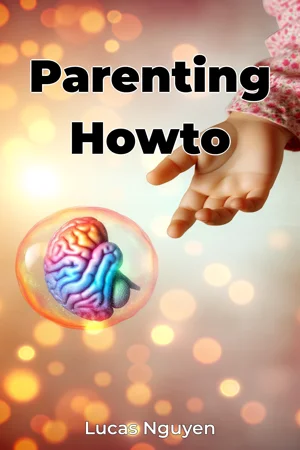
"What if the key to successful parenting lies not in a set of rigid rules, but in understanding the science behind child development and our own behaviors?" This question forms the foundation of "Parenting Howto," a comprehensive guide that bridges the gap between theoretical child psychology and practical parenting strategies. The book focuses on three main topics: the neuroscience of child development, effective communication techniques, and the impact of parental well-being on child-rearing. These topics are crucial for modern parents who seek to navigate the complex landscape of raising children in an ever-changing world. To provide context, the book delves into the historical evolution of parenting practices, from the strict disciplinarian approaches of the early 20th century to the more nurturing styles advocated in recent decades. It also explores how cultural differences and socioeconomic factors influence parenting styles globally. The central argument of "Parenting Howto" is that effective parenting stems from a deep understanding of child development combined with self-awareness and emotional intelligence. This thesis challenges the notion of one-size-fits-all parenting advice and emphasizes the importance of adapting strategies to individual family dynamics. The book is structured in three main parts. The first introduces key concepts in child psychology and neuroscience, explaining how a child's brain develops and how this affects behavior. The second part focuses on communication strategies, teaching parents how to listen actively and respond effectively to their children's needs. The final section addresses parental well-being, arguing that self-care and personal growth are essential for creating a nurturing family environment. To support its arguments, the book draws on a wide range of scientific studies, including longitudinal research on child development, neuroimaging studies, and psychological experiments. It also incorporates case studies from diverse families, providing real-world examples of both challenges and successes in implementing various parenting strategies. "Parenting Howto" makes interdisciplinary connections with fields such as neuroscience, psychology, and sociology. It also explores how economic theories of human capital investment apply to parenting, and how principles from organizational psychology can improve family dynamics. The book's unique approach lies in its integration of cutting-edge scientific research with practical, easy-to-implement strategies. It avoids prescriptive dos and don'ts, instead empowering parents to make informed decisions based on their family's specific needs and circumstances. Written in an accessible, conversational style, "Parenting Howto" strikes a balance between academic rigor and readability. It uses analogies and real-life examples to explain complex concepts, making the information digestible for busy parents. The target audience includes new and experienced parents, as well as professionals working with children and families. It appeals to those seeking a deeper understanding of child development and evidence-based parenting strategies. As a work in the personal growth and parenting genres, the book includes self-reflection exercises, action plans, and progress tracking tools. It also addresses the emotional aspects of parenting, acknowledging the challenges and joys that come with raising children. While comprehensive, "Parenting Howto" acknowledges its limitations, focusing primarily on parenting children from infancy through adolescence. It encourages readers to seek specialized advice for specific issues like developmental disorders or severe behavioral problems. The book offers numerous practical applications, from techniques for managing tantrums in toddlers to strategies for supporting teenagers' emotional growth. It also provides guidance on creating family rituals, setting boundaries, and fostering resilience in children. "Parenting Howto" addresses ongoing debates in the field, such as the impact of screen time on child development and the long-term effects of different disciplinary approaches. It presents balanced viewpoints, encouraging readers to critically evaluate the evidence and make informed decisions. By combining scientific insights with practical wisdom, "Parenting Howto" offers a fresh perspective on the age-old challenge of raising children, providing parents with the knowledge and tools they need to nurture happy, healthy, and resilient individuals.
"What if the key to successful parenting lies not in a set of rigid rules, but in understanding the science behind child development and our own behaviors?" This question forms the foundation of "Parenting Howto," a comprehensive guide that bridges the gap between theoretical child psychology and practical parenting strategies. The book focuses on three main topics: the neuroscience of child development, effective communication techniques, and the impact of parental well-being on child-rearing. These topics are crucial for modern parents who seek to navigate the complex landscape of raising children in an ever-changing world. To provide context, the book delves into the historical evolution of parenting practices, from the strict disciplinarian approaches of the early 20th century to the more nurturing styles advocated in recent decades. It also explores how cultural differences and socioeconomic factors influence parenting styles globally. The central argument of "Parenting Howto" is that effective parenting stems from a deep understanding of child development combined with self-awareness and emotional intelligence. This thesis challenges the notion of one-size-fits-all parenting advice and emphasizes the importance of adapting strategies to individual family dynamics. The book is structured in three main parts. The first introduces key concepts in child psychology and neuroscience, explaining how a child's brain develops and how this affects behavior. The second part focuses on communication strategies, teaching parents how to listen actively and respond effectively to their children's needs. The final section addresses parental well-being, arguing that self-care and personal growth are essential for creating a nurturing family environment. To support its arguments, the book draws on a wide range of scientific studies, including longitudinal research on child development, neuroimaging studies, and psychological experiments. It also incorporates case studies from diverse families, providing real-world examples of both challenges and successes in implementing various parenting strategies. "Parenting Howto" makes interdisciplinary connections with fields such as neuroscience, psychology, and sociology. It also explores how economic theories of human capital investment apply to parenting, and how principles from organizational psychology can improve family dynamics. The book's unique approach lies in its integration of cutting-edge scientific research with practical, easy-to-implement strategies. It avoids prescriptive dos and don'ts, instead empowering parents to make informed decisions based on their family's specific needs and circumstances. Written in an accessible, conversational style, "Parenting Howto" strikes a balance between academic rigor and readability. It uses analogies and real-life examples to explain complex concepts, making the information digestible for busy parents. The target audience includes new and experienced parents, as well as professionals working with children and families. It appeals to those seeking a deeper understanding of child development and evidence-based parenting strategies. As a work in the personal growth and parenting genres, the book includes self-reflection exercises, action plans, and progress tracking tools. It also addresses the emotional aspects of parenting, acknowledging the challenges and joys that come with raising children. While comprehensive, "Parenting Howto" acknowledges its limitations, focusing primarily on parenting children from infancy through adolescence. It encourages readers to seek specialized advice for specific issues like developmental disorders or severe behavioral problems. The book offers numerous practical applications, from techniques for managing tantrums in toddlers to strategies for supporting teenagers' emotional growth. It also provides guidance on creating family rituals, setting boundaries, and fostering resilience in children. "Parenting Howto" addresses ongoing debates in the field, such as the impact of screen time on child development and the long-term effects of different disciplinary approaches. It presents balanced viewpoints, encouraging readers to critically evaluate the evidence and make informed decisions. By combining scientific insights with practical wisdom, "Parenting Howto" offers a fresh perspective on the age-old challenge of raising children, providing parents with the knowledge and tools they need to nurture happy, healthy, and resilient individuals.
"Parenting Howto" offers a fresh perspective on child-rearing by bridging the gap between scientific research and practical parenting strategies. This comprehensive guide explores three key areas: the neuroscience of child development, effective communication techniques, and the impact of parental well-being on raising children. The book challenges one-size-fits-all parenting advice, emphasizing the importance of understanding individual family dynamics and adapting strategies accordingly. Drawing on a wide range of scientific studies and real-world case studies, "Parenting Howto" presents cutting-edge research in an accessible, conversational style. It delves into how a child's brain develops and its effects on behavior, while also addressing the historical evolution of parenting practices and cultural differences in child-rearing approaches. The book's unique approach lies in its integration of evidence-based strategies with practical, easy-to-implement techniques, empowering parents to make informed decisions based on their family's specific needs. Structured in three parts, the book progresses from introducing key concepts in child psychology to exploring communication strategies and addressing parental well-being. It includes self-reflection exercises, action plans, and progress tracking tools, making it a valuable resource for both new and experienced parents seeking personal growth and effective parenting strategies. By combining scientific insights with practical wisdom, "Parenting Howto" equips readers with the knowledge and tools to nurture happy, healthy, and resilient children.
Book Details
ISBN
9788233933708
Publisher
Publifye AS
Your Licenses
You don't own any licenses for this book
Purchase a license below to unlock this book and download the EPUB.
Purchase License
Select a tier to unlock this book
Need bulk licensing?
Contact us for enterprise agreements.