
About This Book
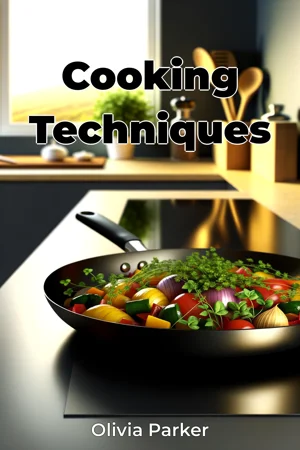
"Cooking Techniques: Mastering the Art and Science of Food Preparation" Have you ever wondered why some dishes always turn out perfectly, while others seem to fail no matter how closely you follow the recipe? The answer lies not in the ingredients themselves, but in the fundamental techniques of cooking. "Cooking Techniques" is a comprehensive guide that demystifies the essential methods and principles behind successful food preparation, empowering readers to become confident and creative cooks. This book explores three core topics that form the foundation of culinary expertise: heat transfer in cooking, flavor development, and texture manipulation. Understanding these concepts is crucial for anyone looking to elevate their cooking skills beyond simply following recipes. By mastering these principles, readers will gain the ability to improvise in the kitchen, salvage dishes that have gone awry, and create their own unique culinary creations. To provide context, the book begins with a brief history of cooking techniques, tracing their evolution from prehistoric times to modern molecular gastronomy. This background helps readers appreciate the cultural and scientific developments that have shaped our current understanding of food preparation. The book assumes no prior culinary knowledge, making it accessible to beginners while still offering valuable insights to experienced cooks. The central argument of "Cooking Techniques" is that by understanding the underlying principles of cooking, anyone can become a skilled and adaptable cook. This knowledge is essential in today's world, where home cooking is experiencing a renaissance due to health, economic, and social factors. The book posits that cooking is both an art and a science, and that mastering it requires a balance of creativity and technical knowledge. Structured in three main sections, the book first introduces the basics of culinary science, including the chemistry of cooking and the physics of heat transfer. The second section delves into specific cooking methods such as sautéing, braising, and baking, explaining the principles behind each technique and how to apply them effectively. The final section focuses on advanced topics like flavor pairing, menu planning, and troubleshooting common cooking problems. To support its arguments, "Cooking Techniques" draws on a wide range of scientific research, including food chemistry studies, sensory analysis experiments, and culinary physics investigations. The book also incorporates insights from professional chefs, food historians, and nutritionists, providing a well-rounded perspective on the topic. The interdisciplinary nature of cooking is highlighted throughout the book, with connections drawn to fields such as chemistry, biology, and even psychology. For example, the section on flavor development explores how our perception of taste is influenced by factors like color, texture, and even the sounds associated with eating. What sets "Cooking Techniques" apart is its focus on the "why" behind cooking methods, rather than just the "how." Instead of providing a collection of recipes, the book equips readers with the knowledge to understand and adapt any recipe they encounter. This approach fosters creativity and problem-solving skills in the kitchen. The writing style is informative yet accessible, striking a balance between academic rigor and practical advice. Technical concepts are explained using clear language and relatable analogies, making the information digestible for a general audience. "Cooking Techniques" is aimed at home cooks of all skill levels who want to improve their culinary abilities and understanding. It's particularly valuable for those who enjoy experimenting in the kitchen or who aspire to create their own recipes. As a cookbook, "Cooking Techniques" includes practical demonstrations of the principles discussed, with step-by-step instructions and troubleshooting tips. However, it goes beyond typical cookbooks by providing in-depth explanations of the science behind each technique. While the book covers a wide range of cooking methods and principles, it primarily focuses on Western cuisine techniques. It acknowledges this limitation and encourages readers to explore other culinary traditions to expand their cooking repertoire further. The knowledge gained from "Cooking Techniques" can be applied to everyday cooking, menu planning, and even food shopping. Readers will learn how to select the best cooking methods for different ingredients, how to balance flavors in a dish, and how to adapt recipes to their personal tastes or dietary needs. The book addresses ongoing debates in the culinary world, such as the merits of traditional versus modern cooking techniques, and the impact of cooking methods on nutrient retention. It presents balanced views on these topics, allowing readers to form their own informed opinions. "Cooking Techniques" offers a solid foundation in the principles of cooking, providing readers with the knowledge and confidence to tackle any culinary challenge. By understanding the science behind the art of cooking, readers will transform their approach to food preparation, making the kitchen a place of creativity, experimentation, and delicious success.
"Cooking Techniques: Mastering the Art and Science of Food Preparation" Have you ever wondered why some dishes always turn out perfectly, while others seem to fail no matter how closely you follow the recipe? The answer lies not in the ingredients themselves, but in the fundamental techniques of cooking. "Cooking Techniques" is a comprehensive guide that demystifies the essential methods and principles behind successful food preparation, empowering readers to become confident and creative cooks. This book explores three core topics that form the foundation of culinary expertise: heat transfer in cooking, flavor development, and texture manipulation. Understanding these concepts is crucial for anyone looking to elevate their cooking skills beyond simply following recipes. By mastering these principles, readers will gain the ability to improvise in the kitchen, salvage dishes that have gone awry, and create their own unique culinary creations. To provide context, the book begins with a brief history of cooking techniques, tracing their evolution from prehistoric times to modern molecular gastronomy. This background helps readers appreciate the cultural and scientific developments that have shaped our current understanding of food preparation. The book assumes no prior culinary knowledge, making it accessible to beginners while still offering valuable insights to experienced cooks. The central argument of "Cooking Techniques" is that by understanding the underlying principles of cooking, anyone can become a skilled and adaptable cook. This knowledge is essential in today's world, where home cooking is experiencing a renaissance due to health, economic, and social factors. The book posits that cooking is both an art and a science, and that mastering it requires a balance of creativity and technical knowledge. Structured in three main sections, the book first introduces the basics of culinary science, including the chemistry of cooking and the physics of heat transfer. The second section delves into specific cooking methods such as sautéing, braising, and baking, explaining the principles behind each technique and how to apply them effectively. The final section focuses on advanced topics like flavor pairing, menu planning, and troubleshooting common cooking problems. To support its arguments, "Cooking Techniques" draws on a wide range of scientific research, including food chemistry studies, sensory analysis experiments, and culinary physics investigations. The book also incorporates insights from professional chefs, food historians, and nutritionists, providing a well-rounded perspective on the topic. The interdisciplinary nature of cooking is highlighted throughout the book, with connections drawn to fields such as chemistry, biology, and even psychology. For example, the section on flavor development explores how our perception of taste is influenced by factors like color, texture, and even the sounds associated with eating. What sets "Cooking Techniques" apart is its focus on the "why" behind cooking methods, rather than just the "how." Instead of providing a collection of recipes, the book equips readers with the knowledge to understand and adapt any recipe they encounter. This approach fosters creativity and problem-solving skills in the kitchen. The writing style is informative yet accessible, striking a balance between academic rigor and practical advice. Technical concepts are explained using clear language and relatable analogies, making the information digestible for a general audience. "Cooking Techniques" is aimed at home cooks of all skill levels who want to improve their culinary abilities and understanding. It's particularly valuable for those who enjoy experimenting in the kitchen or who aspire to create their own recipes. As a cookbook, "Cooking Techniques" includes practical demonstrations of the principles discussed, with step-by-step instructions and troubleshooting tips. However, it goes beyond typical cookbooks by providing in-depth explanations of the science behind each technique. While the book covers a wide range of cooking methods and principles, it primarily focuses on Western cuisine techniques. It acknowledges this limitation and encourages readers to explore other culinary traditions to expand their cooking repertoire further. The knowledge gained from "Cooking Techniques" can be applied to everyday cooking, menu planning, and even food shopping. Readers will learn how to select the best cooking methods for different ingredients, how to balance flavors in a dish, and how to adapt recipes to their personal tastes or dietary needs. The book addresses ongoing debates in the culinary world, such as the merits of traditional versus modern cooking techniques, and the impact of cooking methods on nutrient retention. It presents balanced views on these topics, allowing readers to form their own informed opinions. "Cooking Techniques" offers a solid foundation in the principles of cooking, providing readers with the knowledge and confidence to tackle any culinary challenge. By understanding the science behind the art of cooking, readers will transform their approach to food preparation, making the kitchen a place of creativity, experimentation, and delicious success.
"Cooking Techniques: Mastering the Art and Science of Food Preparation" is a comprehensive guide that delves into the fundamental principles behind successful cooking. This book focuses on three core topics: heat transfer, flavor development, and texture manipulation, providing readers with the knowledge to become confident and creative cooks. By understanding these essential concepts, readers can move beyond simply following recipes to improvising in the kitchen and creating unique culinary creations. The book takes readers on a journey through the evolution of cooking techniques, from prehistoric times to modern molecular gastronomy. It explores the science behind various cooking methods, such as sautéing, braising, and baking, explaining how to apply them effectively. What sets this book apart is its emphasis on the "why" behind cooking methods, rather than just the "how," fostering creativity and problem-solving skills in the kitchen. "Cooking Techniques" bridges the gap between culinary art and science, drawing on a wide range of research and expert insights. It offers practical demonstrations and troubleshooting tips, making it accessible to home cooks of all skill levels. By mastering the principles outlined in this book, readers will gain the ability to adapt recipes, balance flavors, and tackle any culinary challenge with confidence.
Book Details
ISBN
9788233933692
Publisher
Publifye AS
Your Licenses
You don't own any licenses for this book
Purchase a license below to unlock this book and download the EPUB.
Purchase License
Select a tier to unlock this book
Need bulk licensing?
Contact us for enterprise agreements.