
About This Book
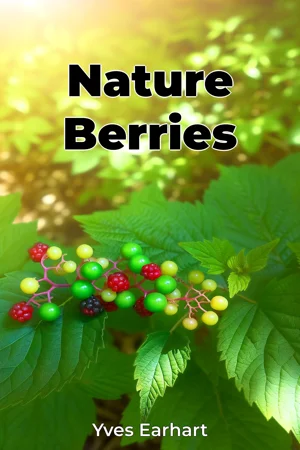
"Nature Berries" opens with a provocative question: "What if the key to unlocking nature's bounty was right at your fingertips?" This thought-provoking inquiry sets the stage for an exploration of the diverse world of wild berries, their culinary applications, and their significance in global cuisines and cultures. The book covers three main topics: the identification and harvesting of wild berries, their nutritional properties, and their culinary uses across different cultures. These topics are crucial for readers interested in foraging, nutrition, and expanding their culinary horizons. By understanding the vast array of edible berries available in nature, readers can tap into a often overlooked food source and gain a deeper appreciation for the natural world around them. To provide context, "Nature Berries" delves into the historical relationship between humans and wild berries, tracing their importance from prehistoric times to modern day. The book explains basic botanical concepts necessary for berry identification, ensuring readers have the foundational knowledge needed to safely and confidently explore the world of wild berries. The central argument of "Nature Berries" is that wild berries represent an underutilized, nutritious, and flavorful food source that can enhance both our diets and our connection to nature. By learning to identify, harvest, and use wild berries, readers can broaden their culinary repertoire, improve their health, and develop a more intimate relationship with their local ecosystems. The book is structured into four main sections. The first introduces readers to the world of wild berries, covering basic identification techniques and safety considerations. The second section explores the nutritional profiles of various berries, highlighting their health benefits and potential medicinal properties. The third part takes readers on a global tour of berry usage in different cuisines, from North American blueberries to Nordic cloudberries. The final section provides practical guidance on harvesting, storing, and preparing wild berries, complete with recipes and preservation techniques. To support its arguments, "Nature Berries" draws on a wide range of scientific studies, ethnobotanical research, and culinary traditions. The book incorporates data from nutritional analyses, ecological surveys, and anthropological studies to provide a comprehensive understanding of wild berries and their significance. The interdisciplinary nature of "Nature Berries" is evident in its connections to botany, nutrition science, and cultural anthropology. By weaving together these diverse fields, the book offers a holistic view of wild berries that goes beyond simple identification guides or cookbooks. What sets "Nature Berries" apart is its global perspective on wild berries. While many foraging guides focus on specific regions, this book takes a worldwide approach, introducing readers to lesser-known berries from various continents and climates. This broad scope allows readers to appreciate the diversity of nature's offerings and potentially discover new flavors and ingredients. The writing style of "Nature Berries" strikes a balance between informative and accessible. While it includes scientific information, the tone remains conversational and engaging, making it suitable for both novice foragers and experienced naturalists. The target audience for "Nature Berries" includes food enthusiasts, health-conscious individuals, nature lovers, and anyone interested in expanding their knowledge of natural food sources. The book appeals to those who want to reconnect with nature through food, as well as those looking to diversify their diets with nutritious, wild ingredients. As a work of nature and cooking non-fiction, "Nature Berries" includes detailed descriptions of berry species, their habitats, and seasonal availability. It also features numerous recipes and preparation techniques, staying true to the conventions of both genres. While "Nature Berries" covers a wide range of wild berries from around the world, it acknowledges that it cannot be exhaustive. The book focuses on the most common and widely distributed species, encouraging readers to seek out local resources for more region-specific information. The practical applications of "Nature Berries" are numerous. Readers can use the information to safely identify and harvest wild berries in their local areas, incorporate new and nutritious ingredients into their diets, and experiment with global culinary traditions. "Nature Berries" addresses ongoing debates in the field of foraging, such as the sustainability of wild harvesting and the impact of climate change on berry populations. It provides a balanced view of these issues, encouraging responsible foraging practices and conservation efforts. By combining scientific rigor with culinary creativity and cultural insight, "Nature Berries" offers readers a comprehensive guide to the world of wild berries. It not only teaches identification and usage but also fosters a deeper appreciation for the natural world and the diverse ways humans have interacted with it through food.
"Nature Berries" opens with a provocative question: "What if the key to unlocking nature's bounty was right at your fingertips?" This thought-provoking inquiry sets the stage for an exploration of the diverse world of wild berries, their culinary applications, and their significance in global cuisines and cultures. The book covers three main topics: the identification and harvesting of wild berries, their nutritional properties, and their culinary uses across different cultures. These topics are crucial for readers interested in foraging, nutrition, and expanding their culinary horizons. By understanding the vast array of edible berries available in nature, readers can tap into a often overlooked food source and gain a deeper appreciation for the natural world around them. To provide context, "Nature Berries" delves into the historical relationship between humans and wild berries, tracing their importance from prehistoric times to modern day. The book explains basic botanical concepts necessary for berry identification, ensuring readers have the foundational knowledge needed to safely and confidently explore the world of wild berries. The central argument of "Nature Berries" is that wild berries represent an underutilized, nutritious, and flavorful food source that can enhance both our diets and our connection to nature. By learning to identify, harvest, and use wild berries, readers can broaden their culinary repertoire, improve their health, and develop a more intimate relationship with their local ecosystems. The book is structured into four main sections. The first introduces readers to the world of wild berries, covering basic identification techniques and safety considerations. The second section explores the nutritional profiles of various berries, highlighting their health benefits and potential medicinal properties. The third part takes readers on a global tour of berry usage in different cuisines, from North American blueberries to Nordic cloudberries. The final section provides practical guidance on harvesting, storing, and preparing wild berries, complete with recipes and preservation techniques. To support its arguments, "Nature Berries" draws on a wide range of scientific studies, ethnobotanical research, and culinary traditions. The book incorporates data from nutritional analyses, ecological surveys, and anthropological studies to provide a comprehensive understanding of wild berries and their significance. The interdisciplinary nature of "Nature Berries" is evident in its connections to botany, nutrition science, and cultural anthropology. By weaving together these diverse fields, the book offers a holistic view of wild berries that goes beyond simple identification guides or cookbooks. What sets "Nature Berries" apart is its global perspective on wild berries. While many foraging guides focus on specific regions, this book takes a worldwide approach, introducing readers to lesser-known berries from various continents and climates. This broad scope allows readers to appreciate the diversity of nature's offerings and potentially discover new flavors and ingredients. The writing style of "Nature Berries" strikes a balance between informative and accessible. While it includes scientific information, the tone remains conversational and engaging, making it suitable for both novice foragers and experienced naturalists. The target audience for "Nature Berries" includes food enthusiasts, health-conscious individuals, nature lovers, and anyone interested in expanding their knowledge of natural food sources. The book appeals to those who want to reconnect with nature through food, as well as those looking to diversify their diets with nutritious, wild ingredients. As a work of nature and cooking non-fiction, "Nature Berries" includes detailed descriptions of berry species, their habitats, and seasonal availability. It also features numerous recipes and preparation techniques, staying true to the conventions of both genres. While "Nature Berries" covers a wide range of wild berries from around the world, it acknowledges that it cannot be exhaustive. The book focuses on the most common and widely distributed species, encouraging readers to seek out local resources for more region-specific information. The practical applications of "Nature Berries" are numerous. Readers can use the information to safely identify and harvest wild berries in their local areas, incorporate new and nutritious ingredients into their diets, and experiment with global culinary traditions. "Nature Berries" addresses ongoing debates in the field of foraging, such as the sustainability of wild harvesting and the impact of climate change on berry populations. It provides a balanced view of these issues, encouraging responsible foraging practices and conservation efforts. By combining scientific rigor with culinary creativity and cultural insight, "Nature Berries" offers readers a comprehensive guide to the world of wild berries. It not only teaches identification and usage but also fosters a deeper appreciation for the natural world and the diverse ways humans have interacted with it through food.
"Nature Berries" explores the fascinating world of wild berries, offering readers a comprehensive guide to identifying, harvesting, and utilizing these often-overlooked natural treasures. The book delves into the nutritional properties of various berries, highlighting their potential health benefits and medicinal uses. From North American blueberries to Nordic cloudberries, it takes readers on a global tour of berry usage in different cuisines, showcasing their versatility and cultural significance. This unique blend of nature guide and cookbook progresses through four main sections, covering identification techniques, nutritional profiles, global culinary applications, and practical harvesting and preparation methods. By weaving together insights from botany, nutrition science, and cultural anthropology, "Nature Berries" presents a holistic view of its subject matter. The book's approach balances scientific information with accessible language, making it engaging for both novice foragers and experienced naturalists alike. What sets this book apart is its global perspective, introducing readers to lesser-known berries from various continents and climates. By doing so, it not only expands culinary horizons but also fosters a deeper connection with nature, encouraging sustainable harvesting practices and a greater appreciation for local ecosystems. "Nature Berries" serves as an invaluable resource for food enthusiasts, health-conscious individuals, and nature lovers seeking to unlock nature's bounty and explore the diverse world of wild berries.
Book Details
ISBN
9788233933685
Publisher
Publifye AS
Your Licenses
You don't own any licenses for this book
Purchase a license below to unlock this book and download the EPUB.
Purchase License
Select a tier to unlock this book
Need bulk licensing?
Contact us for enterprise agreements.