
About This Book
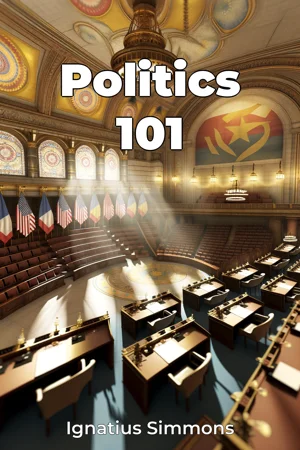
"Politics 101: How Politics Work Around the World" opens with a provocative question: "In a world of diverse cultures, ideologies, and systems, how do nations govern themselves and interact with one another?" This book aims to demystify the complex realm of global politics, offering readers a comprehensive understanding of political structures, processes, and dynamics across different countries and regions. The book focuses on three key topics: political systems, international relations, and the role of citizens in politics. These topics are crucial for understanding how societies organize themselves, how nations interact on the global stage, and how individuals can participate in and influence political processes. By exploring these areas, readers will gain insights into the mechanisms that shape our world and affect our daily lives. To provide context, the book begins with a brief history of political thought, tracing the evolution of governance from ancient civilizations to modern nation-states. This background helps readers understand the foundations of current political systems and the philosophical debates that have shaped them over time. The central argument of "Politics 101" is that despite the apparent differences in political systems worldwide, there are underlying principles and patterns that can help us understand and navigate the global political landscape. The book contends that by grasping these fundamentals, readers can become more informed and engaged citizens, better equipped to participate in political processes and understand international events. The content is structured into four main parts. The first introduces basic political concepts and theories, such as democracy, authoritarianism, and various ideologies. The second part explores different political systems around the world, examining case studies from democracies, autocracies, and hybrid regimes. The third section delves into international relations, covering topics like diplomacy, trade, and global governance. The final part focuses on citizen engagement, discussing voting systems, political parties, and social movements. To support its arguments, the book draws on a wide range of evidence, including historical records, contemporary case studies, and data from political science research. It incorporates insights from political theorists, analyses of election results, and surveys of public opinion to provide a well-rounded view of political phenomena. "Politics 101" makes interdisciplinary connections to economics, sociology, and psychology. It explores how economic systems influence political decisions, how social structures shape political behavior, and how psychological factors affect political attitudes and voting patterns. These connections highlight the complex interplay between politics and other aspects of human society. The book's unique approach lies in its global perspective, moving beyond the often Western-centric view of politics to include diverse political systems from around the world. It also emphasizes the role of emerging technologies and social media in shaping modern political landscapes, offering fresh insights into how politics is evolving in the digital age. Written in an accessible yet scholarly tone, "Politics 101" balances academic rigor with clear explanations and real-world examples. It aims to engage a broad audience, from students and educators to curious citizens seeking a deeper understanding of global politics. The book is particularly valuable for those looking to become more informed voters, aspiring politicians, or anyone interested in understanding the forces that shape our world. While comprehensive in its coverage of global political systems, the book acknowledges its limitations in exploring every nuance of each country's political landscape. Instead, it focuses on providing a solid foundation for understanding general principles and major trends in world politics. Readers can apply the knowledge gained from this book in various ways, from more informed voting decisions to better understanding of news events and international conflicts. The book also provides tools for analyzing political rhetoric and policy proposals, enabling readers to engage more critically with political discourse. "Politics 101" addresses ongoing debates in the field, such as the future of democracy in the face of rising authoritarianism, the impact of globalization on national sovereignty, and the role of international institutions in global governance. By presenting multiple perspectives on these issues, the book encourages readers to think critically and form their own informed opinions. In essence, "Politics 101: How Politics Work Around the World" offers a comprehensive, accessible, and globally-minded introduction to the complex world of politics. It equips readers with the knowledge and tools to navigate the political landscape, fostering a more informed and engaged global citizenry.
"Politics 101: How Politics Work Around the World" opens with a provocative question: "In a world of diverse cultures, ideologies, and systems, how do nations govern themselves and interact with one another?" This book aims to demystify the complex realm of global politics, offering readers a comprehensive understanding of political structures, processes, and dynamics across different countries and regions. The book focuses on three key topics: political systems, international relations, and the role of citizens in politics. These topics are crucial for understanding how societies organize themselves, how nations interact on the global stage, and how individuals can participate in and influence political processes. By exploring these areas, readers will gain insights into the mechanisms that shape our world and affect our daily lives. To provide context, the book begins with a brief history of political thought, tracing the evolution of governance from ancient civilizations to modern nation-states. This background helps readers understand the foundations of current political systems and the philosophical debates that have shaped them over time. The central argument of "Politics 101" is that despite the apparent differences in political systems worldwide, there are underlying principles and patterns that can help us understand and navigate the global political landscape. The book contends that by grasping these fundamentals, readers can become more informed and engaged citizens, better equipped to participate in political processes and understand international events. The content is structured into four main parts. The first introduces basic political concepts and theories, such as democracy, authoritarianism, and various ideologies. The second part explores different political systems around the world, examining case studies from democracies, autocracies, and hybrid regimes. The third section delves into international relations, covering topics like diplomacy, trade, and global governance. The final part focuses on citizen engagement, discussing voting systems, political parties, and social movements. To support its arguments, the book draws on a wide range of evidence, including historical records, contemporary case studies, and data from political science research. It incorporates insights from political theorists, analyses of election results, and surveys of public opinion to provide a well-rounded view of political phenomena. "Politics 101" makes interdisciplinary connections to economics, sociology, and psychology. It explores how economic systems influence political decisions, how social structures shape political behavior, and how psychological factors affect political attitudes and voting patterns. These connections highlight the complex interplay between politics and other aspects of human society. The book's unique approach lies in its global perspective, moving beyond the often Western-centric view of politics to include diverse political systems from around the world. It also emphasizes the role of emerging technologies and social media in shaping modern political landscapes, offering fresh insights into how politics is evolving in the digital age. Written in an accessible yet scholarly tone, "Politics 101" balances academic rigor with clear explanations and real-world examples. It aims to engage a broad audience, from students and educators to curious citizens seeking a deeper understanding of global politics. The book is particularly valuable for those looking to become more informed voters, aspiring politicians, or anyone interested in understanding the forces that shape our world. While comprehensive in its coverage of global political systems, the book acknowledges its limitations in exploring every nuance of each country's political landscape. Instead, it focuses on providing a solid foundation for understanding general principles and major trends in world politics. Readers can apply the knowledge gained from this book in various ways, from more informed voting decisions to better understanding of news events and international conflicts. The book also provides tools for analyzing political rhetoric and policy proposals, enabling readers to engage more critically with political discourse. "Politics 101" addresses ongoing debates in the field, such as the future of democracy in the face of rising authoritarianism, the impact of globalization on national sovereignty, and the role of international institutions in global governance. By presenting multiple perspectives on these issues, the book encourages readers to think critically and form their own informed opinions. In essence, "Politics 101: How Politics Work Around the World" offers a comprehensive, accessible, and globally-minded introduction to the complex world of politics. It equips readers with the knowledge and tools to navigate the political landscape, fostering a more informed and engaged global citizenry.
"Politics 101: How Politics Work Around the World" offers a comprehensive exploration of global political systems, international relations, and citizen engagement. This accessible guide demystifies the complex realm of politics, examining how nations govern themselves and interact on the world stage. The book's central argument is that despite the apparent differences in political systems worldwide, there are underlying principles and patterns that can help us understand and navigate the global political landscape. Structured in four parts, the book covers basic political concepts, diverse political systems, international relations, and citizen engagement. It provides intriguing insights into the evolution of governance from ancient civilizations to modern nation-states, and examines case studies from democracies, autocracies, and hybrid regimes. The book's unique approach lies in its global perspective, moving beyond a Western-centric view to include diverse political systems from around the world. "Politics 101" emphasizes the role of emerging technologies and social media in shaping modern political landscapes, offering fresh insights into how politics is evolving in the digital age. By balancing academic rigor with clear explanations and real-world examples, the book equips readers with the knowledge and tools to become more informed and engaged citizens, better able to understand international events and participate in political processes.
Book Details
ISBN
9788233933654
Publisher
Publifye AS
Your Licenses
You don't own any licenses for this book
Purchase a license below to unlock this book and download the EPUB.
Purchase License
Select a tier to unlock this book
Need bulk licensing?
Contact us for enterprise agreements.