
About This Book
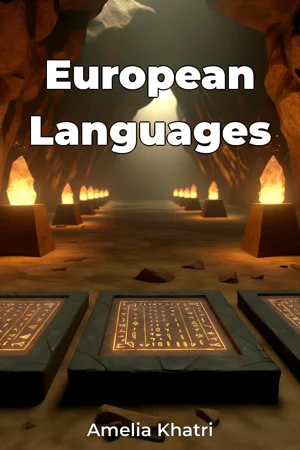
"European Languages: A Historical Journey Through Linguistic Evolution" opens with a provocative question: "How did the tapestry of European languages we know today come to be, and what does it tell us about the continent's complex history?" This book takes readers on a comprehensive exploration of the development of European languages, offering insights into the cultural, political, and social forces that have shaped linguistic diversity across the continent. The book covers three main topics: the origins of Indo-European languages, the influence of historical events on language evolution, and the current linguistic landscape of Europe. These topics are crucial for understanding not only the languages themselves but also the broader historical narrative of Europe and its people. To provide context, the book begins with an overview of prehistoric linguistic patterns in Europe, setting the stage for the emergence of Indo-European languages. Readers are introduced to key concepts in historical linguistics, such as language families, sound shifts, and comparative reconstruction methods, which are essential for following the book's arguments. The central thesis posits that European languages are living records of the continent's history, reflecting patterns of migration, conquest, trade, and cultural exchange. This argument is significant as it demonstrates how language study can provide unique insights into historical processes that might otherwise be obscured. Structurally, the book is divided into three parts. The first introduces the major language families of Europe and their hypothesized origins. The second examines how pivotal historical events, such as the Roman Empire's expansion, the Migration Period, and the Age of Exploration, influenced linguistic development. The final section analyzes the current state of European languages, including minority languages and dialects, and discusses future trends in light of globalization and technology. To support its arguments, the book draws on a wide range of evidence, including archaeological findings, historical documents, and cutting-edge genetic studies. It employs innovative data visualization techniques to illustrate complex linguistic relationships and changes over time. The interdisciplinary nature of the work is evident in its connections to fields such as archaeology, genetics, and cultural anthropology. These connections provide a holistic view of language development, demonstrating how linguistic changes often parallel developments in material culture and social organization. What sets this book apart is its integration of traditional historical linguistics with modern computational methods. By utilizing large-scale data analysis and network modeling, the authors offer fresh perspectives on long-standing questions in the field. The writing style strikes a balance between academic rigor and accessibility, using clear explanations and engaging anecdotes to illustrate complex concepts. While primarily aimed at students and scholars of linguistics and European history, the book is designed to appeal to anyone with a keen interest in languages or European cultural heritage. As a work of historical non-fiction, the book adheres to scholarly conventions, providing extensive citations and a comprehensive bibliography. However, it also incorporates elements of narrative non-fiction, using stories of key historical figures and events to bring the subject matter to life. While the book offers a broad overview of European languages, it acknowledges its limitations, focusing primarily on major language groups and historical periods for which substantial evidence exists. It encourages readers to explore further resources for in-depth studies of specific languages or regions. The practical applications of the book's content are numerous. Readers will gain a deeper appreciation for the languages they encounter, whether as travelers, language learners, or cultural enthusiasts. The historical insights provided can also inform current debates on language policy and preservation efforts for endangered languages. The book addresses several ongoing debates in the field, including the contested origins of the Indo-European language family and the role of substrate languages in shaping modern European tongues. It presents various viewpoints on these issues, encouraging readers to engage critically with the evidence. "European Languages" provides a meticulously researched and engagingly presented account of linguistic development in Europe. By weaving together threads of language, history, and culture, it offers readers a new lens through which to view the rich tapestry of European heritage and its ongoing evolution.
"European Languages: A Historical Journey Through Linguistic Evolution" opens with a provocative question: "How did the tapestry of European languages we know today come to be, and what does it tell us about the continent's complex history?" This book takes readers on a comprehensive exploration of the development of European languages, offering insights into the cultural, political, and social forces that have shaped linguistic diversity across the continent. The book covers three main topics: the origins of Indo-European languages, the influence of historical events on language evolution, and the current linguistic landscape of Europe. These topics are crucial for understanding not only the languages themselves but also the broader historical narrative of Europe and its people. To provide context, the book begins with an overview of prehistoric linguistic patterns in Europe, setting the stage for the emergence of Indo-European languages. Readers are introduced to key concepts in historical linguistics, such as language families, sound shifts, and comparative reconstruction methods, which are essential for following the book's arguments. The central thesis posits that European languages are living records of the continent's history, reflecting patterns of migration, conquest, trade, and cultural exchange. This argument is significant as it demonstrates how language study can provide unique insights into historical processes that might otherwise be obscured. Structurally, the book is divided into three parts. The first introduces the major language families of Europe and their hypothesized origins. The second examines how pivotal historical events, such as the Roman Empire's expansion, the Migration Period, and the Age of Exploration, influenced linguistic development. The final section analyzes the current state of European languages, including minority languages and dialects, and discusses future trends in light of globalization and technology. To support its arguments, the book draws on a wide range of evidence, including archaeological findings, historical documents, and cutting-edge genetic studies. It employs innovative data visualization techniques to illustrate complex linguistic relationships and changes over time. The interdisciplinary nature of the work is evident in its connections to fields such as archaeology, genetics, and cultural anthropology. These connections provide a holistic view of language development, demonstrating how linguistic changes often parallel developments in material culture and social organization. What sets this book apart is its integration of traditional historical linguistics with modern computational methods. By utilizing large-scale data analysis and network modeling, the authors offer fresh perspectives on long-standing questions in the field. The writing style strikes a balance between academic rigor and accessibility, using clear explanations and engaging anecdotes to illustrate complex concepts. While primarily aimed at students and scholars of linguistics and European history, the book is designed to appeal to anyone with a keen interest in languages or European cultural heritage. As a work of historical non-fiction, the book adheres to scholarly conventions, providing extensive citations and a comprehensive bibliography. However, it also incorporates elements of narrative non-fiction, using stories of key historical figures and events to bring the subject matter to life. While the book offers a broad overview of European languages, it acknowledges its limitations, focusing primarily on major language groups and historical periods for which substantial evidence exists. It encourages readers to explore further resources for in-depth studies of specific languages or regions. The practical applications of the book's content are numerous. Readers will gain a deeper appreciation for the languages they encounter, whether as travelers, language learners, or cultural enthusiasts. The historical insights provided can also inform current debates on language policy and preservation efforts for endangered languages. The book addresses several ongoing debates in the field, including the contested origins of the Indo-European language family and the role of substrate languages in shaping modern European tongues. It presents various viewpoints on these issues, encouraging readers to engage critically with the evidence. "European Languages" provides a meticulously researched and engagingly presented account of linguistic development in Europe. By weaving together threads of language, history, and culture, it offers readers a new lens through which to view the rich tapestry of European heritage and its ongoing evolution.
"European Languages: A Historical Journey Through Linguistic Evolution" delves into the fascinating development of European languages, offering a comprehensive exploration of their origins, evolution, and current state. The book posits that these languages serve as living records of Europe's complex history, reflecting patterns of migration, conquest, and cultural exchange. By examining the tapestry of linguistic diversity across the continent, readers gain unique insights into historical processes that might otherwise remain obscured. The book is structured in three parts, beginning with an overview of major language families and their hypothesized origins. It then examines how pivotal historical events, such as the Roman Empire's expansion and the Age of Exploration, influenced linguistic development. Finally, it analyzes the current state of European languages and discusses future trends. What sets this work apart is its integration of traditional historical linguistics with modern computational methods, offering fresh perspectives on long-standing questions in the field. Drawing on a wide range of evidence, including archaeological findings and genetic studies, the book employs innovative data visualization techniques to illustrate complex linguistic relationships. Its interdisciplinary approach connects linguistics to archaeology, genetics, and cultural anthropology, providing a holistic view of language development. While primarily aimed at students and scholars, the accessible writing style and engaging anecdotes make it appealing to anyone interested in European languages or cultural heritage.
Book Details
ISBN
9788233933517
Publisher
Publifye AS
Your Licenses
You don't own any licenses for this book
Purchase a license below to unlock this book and download the EPUB.
Purchase License
Select a tier to unlock this book
Need bulk licensing?
Contact us for enterprise agreements.