
About This Book
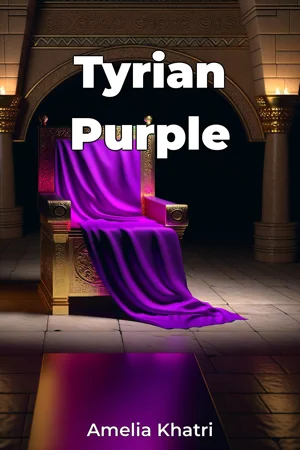
"What if I told you that the color of royalty was once worth more than its weight in gold?" This intriguing question opens "Tyrian Purple," a comprehensive exploration of one of history's most coveted dyes. This book delves into three key areas: the historical significance of Tyrian purple, its complex production process, and the economic impact of its scarcity. The importance of these topics extends beyond mere historical curiosity. Tyrian purple serves as a lens through which we can examine ancient trade networks, technological innovation, and the socioeconomic structures that shaped early civilizations. By understanding the story of this prestigious pigment, readers gain insight into the interconnectedness of commerce, culture, and technology throughout history. To fully appreciate the narrative, the book provides essential context on the Phoenician civilization, ancient Mediterranean trade routes, and the basics of dye chemistry. This background sets the stage for a deeper understanding of why Tyrian purple held such immense value in the ancient world. The central argument of "Tyrian Purple" posits that this rare dye was not just a luxury item, but a driving force in shaping Mediterranean economies and social hierarchies for over a millennium. The book contends that the production and trade of Tyrian purple had far-reaching effects on politics, fashion, and even religious symbolism across multiple civilizations. Structured chronologically, the book begins with the discovery of Tyrian purple, likely by the Phoenicians around 1570 BCE. It then explores the dye's rise to prominence, detailing its use in royal garments and religious ceremonies. The narrative progresses through the Roman Empire's monopolization of purple production, and concludes with the eventual decline of Tyrian purple following the fall of Constantinople in 1453 CE. Supporting this historical journey, the book presents evidence from archaeological findings, ancient texts, and modern scientific analyses. It incorporates recent research using mass spectrometry to analyze purple-dyed textiles from archaeological sites, providing new insights into production techniques and trade patterns. "Tyrian Purple" makes interdisciplinary connections to fields such as marine biology, examining the Murex species of sea snails from which the dye was extracted. It also explores the chemistry behind the dye's colorfast properties and the economics of luxury goods in the ancient world. What sets this book apart is its holistic approach to the subject. Rather than focusing solely on historical facts, it weaves together scientific analysis, economic theory, and cultural studies to present a multifaceted view of Tyrian purple's impact on the ancient world. The writing style is scholarly yet accessible, striking a balance between academic rigor and engaging narrative. This approach makes the book suitable for both academics and general readers with an interest in history, science, or economics. "Tyrian Purple" is particularly valuable for students of ancient history, archaeologists, and anyone fascinated by the intersection of science and culture. It offers insights into how a single commodity can shape societies and drive technological innovation. In keeping with the expectations of both science and history genres, the book maintains a strong focus on factual accuracy and provides extensive citations. It also includes detailed descriptions of scientific processes and historical events, enriching the reader's understanding of both aspects. While the book primarily focuses on the Mediterranean region from 1500 BCE to 1500 CE, it also touches on the use of purple dyes in other cultures, such as Pre-Columbian Mesoamerica, to provide a global context. The knowledge gained from this book has practical applications in fields such as textile conservation, historical reenactment, and even modern dye chemistry. It also offers valuable lessons on the economics of luxury goods and the environmental impact of resource extraction. "Tyrian Purple" addresses ongoing debates in the field, such as the exact chemical composition of ancient dyes and the extent of long-distance trade in the ancient world. By presenting the latest research and theories, the book contributes to these academic discussions. Through its exploration of Tyrian purple, this book offers readers a unique window into the complexities of ancient societies, the ingenuity of early technologies, and the timeless human desire for status and beauty. It demonstrates how a single product can serve as a thread, weaving together the fabric of history, science, and culture.
"What if I told you that the color of royalty was once worth more than its weight in gold?" This intriguing question opens "Tyrian Purple," a comprehensive exploration of one of history's most coveted dyes. This book delves into three key areas: the historical significance of Tyrian purple, its complex production process, and the economic impact of its scarcity. The importance of these topics extends beyond mere historical curiosity. Tyrian purple serves as a lens through which we can examine ancient trade networks, technological innovation, and the socioeconomic structures that shaped early civilizations. By understanding the story of this prestigious pigment, readers gain insight into the interconnectedness of commerce, culture, and technology throughout history. To fully appreciate the narrative, the book provides essential context on the Phoenician civilization, ancient Mediterranean trade routes, and the basics of dye chemistry. This background sets the stage for a deeper understanding of why Tyrian purple held such immense value in the ancient world. The central argument of "Tyrian Purple" posits that this rare dye was not just a luxury item, but a driving force in shaping Mediterranean economies and social hierarchies for over a millennium. The book contends that the production and trade of Tyrian purple had far-reaching effects on politics, fashion, and even religious symbolism across multiple civilizations. Structured chronologically, the book begins with the discovery of Tyrian purple, likely by the Phoenicians around 1570 BCE. It then explores the dye's rise to prominence, detailing its use in royal garments and religious ceremonies. The narrative progresses through the Roman Empire's monopolization of purple production, and concludes with the eventual decline of Tyrian purple following the fall of Constantinople in 1453 CE. Supporting this historical journey, the book presents evidence from archaeological findings, ancient texts, and modern scientific analyses. It incorporates recent research using mass spectrometry to analyze purple-dyed textiles from archaeological sites, providing new insights into production techniques and trade patterns. "Tyrian Purple" makes interdisciplinary connections to fields such as marine biology, examining the Murex species of sea snails from which the dye was extracted. It also explores the chemistry behind the dye's colorfast properties and the economics of luxury goods in the ancient world. What sets this book apart is its holistic approach to the subject. Rather than focusing solely on historical facts, it weaves together scientific analysis, economic theory, and cultural studies to present a multifaceted view of Tyrian purple's impact on the ancient world. The writing style is scholarly yet accessible, striking a balance between academic rigor and engaging narrative. This approach makes the book suitable for both academics and general readers with an interest in history, science, or economics. "Tyrian Purple" is particularly valuable for students of ancient history, archaeologists, and anyone fascinated by the intersection of science and culture. It offers insights into how a single commodity can shape societies and drive technological innovation. In keeping with the expectations of both science and history genres, the book maintains a strong focus on factual accuracy and provides extensive citations. It also includes detailed descriptions of scientific processes and historical events, enriching the reader's understanding of both aspects. While the book primarily focuses on the Mediterranean region from 1500 BCE to 1500 CE, it also touches on the use of purple dyes in other cultures, such as Pre-Columbian Mesoamerica, to provide a global context. The knowledge gained from this book has practical applications in fields such as textile conservation, historical reenactment, and even modern dye chemistry. It also offers valuable lessons on the economics of luxury goods and the environmental impact of resource extraction. "Tyrian Purple" addresses ongoing debates in the field, such as the exact chemical composition of ancient dyes and the extent of long-distance trade in the ancient world. By presenting the latest research and theories, the book contributes to these academic discussions. Through its exploration of Tyrian purple, this book offers readers a unique window into the complexities of ancient societies, the ingenuity of early technologies, and the timeless human desire for status and beauty. It demonstrates how a single product can serve as a thread, weaving together the fabric of history, science, and culture.
"Tyrian Purple" unravels the fascinating story of one of history's most prized dyes, exploring its historical significance, complex production process, and economic impact. This comprehensive work delves into how a rare pigment extracted from sea snails shaped Mediterranean economies and social hierarchies for over a millennium. The book traces the journey of Tyrian purple from its discovery by the Phoenicians around 1570 BCE to its decline following the fall of Constantinople in 1453 CE. Readers will be intrigued to learn that Tyrian purple was once more valuable than gold, and its production was monopolized by the Roman Empire. The book combines archaeological findings, ancient texts, and modern scientific analyses to provide a multifaceted view of this luxury commodity. It explores the chemistry behind the dye's colorfast properties and examines the Murex species of sea snails from which it was extracted, seamlessly integrating concepts from marine biology and dye chemistry. Structured chronologically, "Tyrian Purple" presents a scholarly yet accessible narrative that weaves together historical facts, scientific analysis, and cultural studies. This interdisciplinary approach offers valuable insights into ancient trade networks, technological innovation, and the socioeconomic structures that shaped early civilizations, making it an engaging read for both academics and general audiences interested in the intersection of science and history.
Book Details
ISBN
9788233933470
Publisher
Publifye AS
Your Licenses
You don't own any licenses for this book
Purchase a license below to unlock this book and download the EPUB.
Purchase License
Select a tier to unlock this book
Need bulk licensing?
Contact us for enterprise agreements.