
About This Book
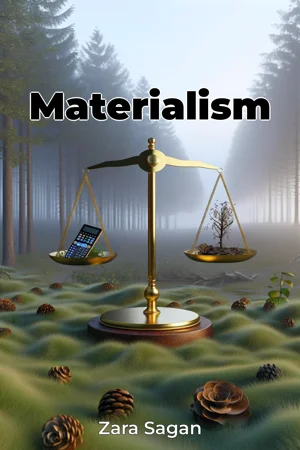
"Is the pursuit of material possessions shaping our lives more than we realize?" This question opens the door to a profound exploration of materialism in our modern world. "Materialism: The Pursuit of Possessions and Its Impact on Human Well-being" delves deep into the philosophy of materialism, its historical roots, and its far-reaching effects on individuals and society. The book covers three main topics: the definition and origins of materialism, its psychological impact on individuals, and its broader societal implications. These topics are crucial for understanding the pervasive influence of materialistic values in contemporary culture and their effects on personal happiness, social relationships, and global sustainability. To provide context, the book traces the evolution of materialistic thought from ancient Greek philosophy to modern consumer culture. It examines how the Industrial Revolution and the rise of advertising have shaped our relationship with material possessions. This historical perspective helps readers understand how materialism has become deeply ingrained in many societies. The central argument of the book is that while material possessions can provide temporary satisfaction, an excessive focus on acquiring and valuing material goods often leads to decreased well-being, strained relationships, and environmental degradation. This thesis challenges readers to reconsider their values and the true sources of happiness and fulfillment. The book is structured in three parts. Part one introduces the concept of materialism and its historical development. Part two explores the psychological effects of materialism, including its impact on self-esteem, life satisfaction, and interpersonal relationships. The final part examines the broader societal and environmental consequences of materialistic values, culminating in a discussion of alternative value systems and practical strategies for cultivating a less materialistic lifestyle. To support its arguments, the book draws on a wide range of empirical research from psychology, sociology, economics, and environmental science. It presents longitudinal studies tracking the long-term effects of materialistic values, cross-cultural comparisons of materialism across different societies, and experimental research on the relationship between material possessions and happiness. The book makes interdisciplinary connections to fields such as environmental studies, discussing how materialism contributes to overconsumption and environmental degradation. It also explores links with neuroscience, examining how materialistic pursuits affect brain structure and function. Additionally, it connects to political science, analyzing how materialistic values influence public policy and economic systems. What sets this book apart is its comprehensive approach to materialism, combining philosophical inquiry with empirical research and practical applications. It not only critiques materialism but also offers constructive alternatives and strategies for personal and societal change. The writing style is academic yet accessible, presenting complex ideas and research findings in clear, engaging language suitable for both scholars and general readers interested in psychology, philosophy, and social issues. This book is primarily aimed at students and professionals in psychology, philosophy, and social sciences, as well as thoughtful general readers seeking to understand the forces shaping modern society and individual behavior. It will be particularly valuable for those interested in personal development, social criticism, and sustainability. As a work of philosophical non-fiction, the book engages deeply with ideas and their implications, while grounding abstract concepts in concrete research and real-world examples. While the book provides a comprehensive overview of materialism, it acknowledges the complexity of human values and behavior. It does not claim to offer a complete solution to the challenges posed by materialism but rather aims to stimulate critical thinking and promote awareness. Readers can apply the insights from this book to reassess their own values and consumption habits, improve their relationships, and contribute to more sustainable communities. The book offers practical exercises and strategies for cultivating non-materialistic sources of well-being and meaning. The book addresses ongoing debates about economic growth, consumerism, and sustainability, offering a nuanced perspective on these complex issues. It challenges both uncritical acceptance of materialistic values and overly simplistic rejections of material comfort. By providing a thorough examination of materialism and its effects, this book equips readers with the knowledge and tools to navigate the challenges of living in a materialistic society while fostering personal well-being and social responsibility.
"Is the pursuit of material possessions shaping our lives more than we realize?" This question opens the door to a profound exploration of materialism in our modern world. "Materialism: The Pursuit of Possessions and Its Impact on Human Well-being" delves deep into the philosophy of materialism, its historical roots, and its far-reaching effects on individuals and society. The book covers three main topics: the definition and origins of materialism, its psychological impact on individuals, and its broader societal implications. These topics are crucial for understanding the pervasive influence of materialistic values in contemporary culture and their effects on personal happiness, social relationships, and global sustainability. To provide context, the book traces the evolution of materialistic thought from ancient Greek philosophy to modern consumer culture. It examines how the Industrial Revolution and the rise of advertising have shaped our relationship with material possessions. This historical perspective helps readers understand how materialism has become deeply ingrained in many societies. The central argument of the book is that while material possessions can provide temporary satisfaction, an excessive focus on acquiring and valuing material goods often leads to decreased well-being, strained relationships, and environmental degradation. This thesis challenges readers to reconsider their values and the true sources of happiness and fulfillment. The book is structured in three parts. Part one introduces the concept of materialism and its historical development. Part two explores the psychological effects of materialism, including its impact on self-esteem, life satisfaction, and interpersonal relationships. The final part examines the broader societal and environmental consequences of materialistic values, culminating in a discussion of alternative value systems and practical strategies for cultivating a less materialistic lifestyle. To support its arguments, the book draws on a wide range of empirical research from psychology, sociology, economics, and environmental science. It presents longitudinal studies tracking the long-term effects of materialistic values, cross-cultural comparisons of materialism across different societies, and experimental research on the relationship between material possessions and happiness. The book makes interdisciplinary connections to fields such as environmental studies, discussing how materialism contributes to overconsumption and environmental degradation. It also explores links with neuroscience, examining how materialistic pursuits affect brain structure and function. Additionally, it connects to political science, analyzing how materialistic values influence public policy and economic systems. What sets this book apart is its comprehensive approach to materialism, combining philosophical inquiry with empirical research and practical applications. It not only critiques materialism but also offers constructive alternatives and strategies for personal and societal change. The writing style is academic yet accessible, presenting complex ideas and research findings in clear, engaging language suitable for both scholars and general readers interested in psychology, philosophy, and social issues. This book is primarily aimed at students and professionals in psychology, philosophy, and social sciences, as well as thoughtful general readers seeking to understand the forces shaping modern society and individual behavior. It will be particularly valuable for those interested in personal development, social criticism, and sustainability. As a work of philosophical non-fiction, the book engages deeply with ideas and their implications, while grounding abstract concepts in concrete research and real-world examples. While the book provides a comprehensive overview of materialism, it acknowledges the complexity of human values and behavior. It does not claim to offer a complete solution to the challenges posed by materialism but rather aims to stimulate critical thinking and promote awareness. Readers can apply the insights from this book to reassess their own values and consumption habits, improve their relationships, and contribute to more sustainable communities. The book offers practical exercises and strategies for cultivating non-materialistic sources of well-being and meaning. The book addresses ongoing debates about economic growth, consumerism, and sustainability, offering a nuanced perspective on these complex issues. It challenges both uncritical acceptance of materialistic values and overly simplistic rejections of material comfort. By providing a thorough examination of materialism and its effects, this book equips readers with the knowledge and tools to navigate the challenges of living in a materialistic society while fostering personal well-being and social responsibility.
"Materialism: The Pursuit of Possessions and Its Impact on Human Well-being" offers a comprehensive exploration of materialism's influence on our lives and society. This thought-provoking book examines the historical roots of materialistic thinking, from ancient Greek philosophy to modern consumer culture, and investigates its psychological effects on individuals and broader societal implications. The book argues that while material possessions can provide temporary satisfaction, an excessive focus on acquiring goods often leads to decreased well-being, strained relationships, and environmental degradation. It presents compelling research from various fields, including psychology, sociology, and environmental science, to support this thesis. For instance, longitudinal studies reveal the long-term effects of materialistic values on happiness and life satisfaction. Structured in three parts, the book progresses from defining materialism to exploring its psychological impact and, finally, examining its societal consequences. What sets this work apart is its interdisciplinary approach, combining philosophical inquiry with empirical research and practical applications. It not only critiques materialism but also offers constructive alternatives and strategies for personal and societal change, making it a valuable resource for anyone seeking to understand and navigate the challenges of living in a materialistic world.
Book Details
ISBN
9788233933456
Publisher
Publifye AS
Your Licenses
You don't own any licenses for this book
Purchase a license below to unlock this book and download the EPUB.
Purchase License
Select a tier to unlock this book
Need bulk licensing?
Contact us for enterprise agreements.