
About This Book
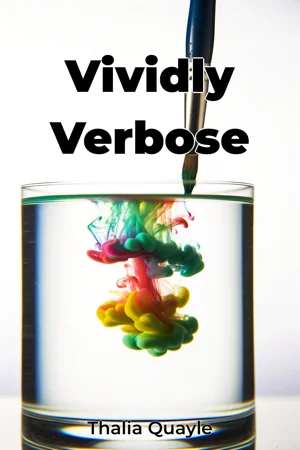
Have you ever wondered how a single word can transform a dull sentence into a vivid masterpiece? "Vividly Verbose" invites readers on an enlightening journey through the colorful world of adjectives, exploring their profound impact on language and communication. At its core, "Vividly Verbose" examines two fundamental aspects of descriptive language: the science behind adjective usage and the art of crafting compelling descriptions. The book argues that mastering adjectives is not merely a matter of embellishment, but a crucial skill for effective communication in various fields, from literature to journalism, and even in everyday conversations. The significance of adjectives in language has been recognized since ancient times, with rhetoricians and grammarians long debating their proper use. "Vividly Verbose" builds on this rich historical context, tracing the evolution of descriptive language from classical texts to modern digital communication. It provides readers with a solid foundation in linguistic theory, covering concepts such as gradability, subjectivity, and semantic classification of adjectives. The book is structured to guide readers from basic principles to advanced techniques. It begins by introducing the grammatical function of adjectives and their role in sentence structure. This foundation is then expanded upon in subsequent chapters, which delve into topics such as: 1. The psychology of perception and how adjectives shape our understanding of the world 2. Cultural differences in adjective usage and their implications for global communication 3. The role of adjectives in various writing genres, from scientific papers to creative fiction Throughout the book, the author presents a wealth of linguistic research and real-world examples to support its arguments. Data from corpus linguistics, cognitive science, and sociolinguistic studies are seamlessly integrated to provide a comprehensive view of adjective usage across different contexts. "Vividly Verbose" also makes interesting connections to fields such as psychology, exploring how descriptive language influences memory and emotion. It examines the use of adjectives in marketing and persuasion, offering insights into the power of words in shaping consumer behavior. Additionally, the book touches on the role of adjectives in artificial intelligence and natural language processing, highlighting the challenges and opportunities in teaching machines to understand and generate nuanced descriptions. What sets "Vividly Verbose" apart is its practical approach to a seemingly abstract topic. Each chapter includes exercises and writing prompts that encourage readers to apply the concepts they've learned. The book also features interviews with writers, poets, and linguists, providing diverse perspectives on the art of description. Written in an accessible yet scholarly tone, "Vividly Verbose" strikes a balance between academic rigor and readability. It employs a clear, expository style, peppered with engaging anecdotes and thought-provoking examples that illustrate key points. The primary audience for this book includes students of linguistics and literature, aspiring writers, and language enthusiasts. However, its insights are valuable to anyone seeking to enhance their communication skills, from marketers crafting compelling copy to scientists striving for clarity in their research papers. As a work of language arts and journalism, "Vividly Verbose" adheres to the conventions of these genres by presenting well-researched information in a structured, informative manner. It includes extensive citations and a comprehensive bibliography, allowing readers to delve deeper into specific topics of interest. While the book provides a thorough exploration of adjectives in English, it acknowledges the limitations of its scope. It touches on adjective usage in other languages but primarily focuses on English to maintain depth and coherence. Readers can apply the knowledge gained from "Vividly Verbose" in numerous ways, from improving their writing skills to developing a more critical eye for language in media and advertising. The book also discusses the ethical implications of descriptive language, encouraging readers to consider the impact of their word choices on others. "Vividly Verbose" addresses ongoing debates in linguistics, such as the descriptive versus prescriptive approaches to grammar, and the role of adjectives in an era of concise digital communication. It presents balanced arguments, encouraging readers to form their own informed opinions on these issues. In essence, "Vividly Verbose" offers a comprehensive, engaging, and practical exploration of adjectives, illuminating their crucial role in shaping our perception and communication of the world around us.
Have you ever wondered how a single word can transform a dull sentence into a vivid masterpiece? "Vividly Verbose" invites readers on an enlightening journey through the colorful world of adjectives, exploring their profound impact on language and communication. At its core, "Vividly Verbose" examines two fundamental aspects of descriptive language: the science behind adjective usage and the art of crafting compelling descriptions. The book argues that mastering adjectives is not merely a matter of embellishment, but a crucial skill for effective communication in various fields, from literature to journalism, and even in everyday conversations. The significance of adjectives in language has been recognized since ancient times, with rhetoricians and grammarians long debating their proper use. "Vividly Verbose" builds on this rich historical context, tracing the evolution of descriptive language from classical texts to modern digital communication. It provides readers with a solid foundation in linguistic theory, covering concepts such as gradability, subjectivity, and semantic classification of adjectives. The book is structured to guide readers from basic principles to advanced techniques. It begins by introducing the grammatical function of adjectives and their role in sentence structure. This foundation is then expanded upon in subsequent chapters, which delve into topics such as: 1. The psychology of perception and how adjectives shape our understanding of the world 2. Cultural differences in adjective usage and their implications for global communication 3. The role of adjectives in various writing genres, from scientific papers to creative fiction Throughout the book, the author presents a wealth of linguistic research and real-world examples to support its arguments. Data from corpus linguistics, cognitive science, and sociolinguistic studies are seamlessly integrated to provide a comprehensive view of adjective usage across different contexts. "Vividly Verbose" also makes interesting connections to fields such as psychology, exploring how descriptive language influences memory and emotion. It examines the use of adjectives in marketing and persuasion, offering insights into the power of words in shaping consumer behavior. Additionally, the book touches on the role of adjectives in artificial intelligence and natural language processing, highlighting the challenges and opportunities in teaching machines to understand and generate nuanced descriptions. What sets "Vividly Verbose" apart is its practical approach to a seemingly abstract topic. Each chapter includes exercises and writing prompts that encourage readers to apply the concepts they've learned. The book also features interviews with writers, poets, and linguists, providing diverse perspectives on the art of description. Written in an accessible yet scholarly tone, "Vividly Verbose" strikes a balance between academic rigor and readability. It employs a clear, expository style, peppered with engaging anecdotes and thought-provoking examples that illustrate key points. The primary audience for this book includes students of linguistics and literature, aspiring writers, and language enthusiasts. However, its insights are valuable to anyone seeking to enhance their communication skills, from marketers crafting compelling copy to scientists striving for clarity in their research papers. As a work of language arts and journalism, "Vividly Verbose" adheres to the conventions of these genres by presenting well-researched information in a structured, informative manner. It includes extensive citations and a comprehensive bibliography, allowing readers to delve deeper into specific topics of interest. While the book provides a thorough exploration of adjectives in English, it acknowledges the limitations of its scope. It touches on adjective usage in other languages but primarily focuses on English to maintain depth and coherence. Readers can apply the knowledge gained from "Vividly Verbose" in numerous ways, from improving their writing skills to developing a more critical eye for language in media and advertising. The book also discusses the ethical implications of descriptive language, encouraging readers to consider the impact of their word choices on others. "Vividly Verbose" addresses ongoing debates in linguistics, such as the descriptive versus prescriptive approaches to grammar, and the role of adjectives in an era of concise digital communication. It presents balanced arguments, encouraging readers to form their own informed opinions on these issues. In essence, "Vividly Verbose" offers a comprehensive, engaging, and practical exploration of adjectives, illuminating their crucial role in shaping our perception and communication of the world around us.
"Vividly Verbose" takes readers on an illuminating journey through the world of adjectives, exploring their profound impact on language and communication. This comprehensive guide examines both the science behind adjective usage and the art of crafting compelling descriptions, arguing that mastering descriptive language is crucial for effective communication across various fields. The book traces the evolution of descriptive language from classical texts to modern digital communication, providing a solid foundation in linguistic theory. It covers a wide range of topics, including the psychology of perception, cultural differences in adjective usage, and the role of descriptive language in different writing genres. What sets this book apart is its practical approach, offering exercises and writing prompts that encourage readers to apply the concepts they've learned. Structured to guide readers from basic principles to advanced techniques, "Vividly Verbose" seamlessly integrates data from corpus linguistics, cognitive science, and sociolinguistic studies. It explores fascinating connections between descriptive language and fields such as psychology, marketing, and artificial intelligence, offering valuable insights for students, writers, and language enthusiasts alike.
Book Details
ISBN
9788233933364
Publisher
Publifye AS
Your Licenses
You don't own any licenses for this book
Purchase a license below to unlock this book and download the EPUB.
Purchase License
Select a tier to unlock this book
Need bulk licensing?
Contact us for enterprise agreements.