
About This Book
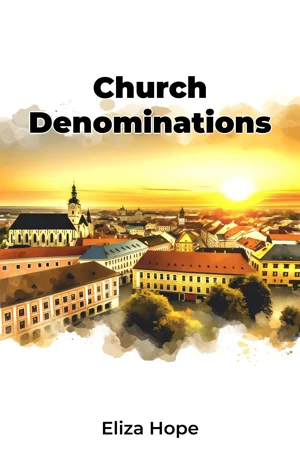
"What unites and divides the global Christian community?" This question sets the stage for "Church Denominations," a comprehensive exploration of the diverse landscape of Christian faith worldwide. The book offers readers a panoramic view of the myriad ways Christianity is practiced and interpreted across cultures and continents. The text delves into three primary topics: the historical development of church denominations, the core theological distinctions between major branches of Christianity, and the sociocultural factors influencing denominational growth and decline. These themes are crucial for understanding the complex tapestry of global Christianity and its impact on societies worldwide. To provide context, the book begins with an overview of early Christian history, tracing the roots of denominational divergence from the apostolic age through the major schisms and reformations. This background is essential for readers to grasp the long-standing tensions and reconciliations that have shaped modern Christianity. The central argument of "Church Denominations" is that while doctrinal differences between denominations are significant, they often mask deeper cultural, historical, and sociological factors that truly define religious communities. Understanding these underlying forces is key to fostering interfaith dialogue and cooperation in an increasingly globalized world. Structurally, the book is divided into four main sections. The first introduces the concept of denominationalism and its historical development. The second examines major denominational families: Orthodox, Catholic, Protestant, and independent Christian movements. The third section analyzes the theological and practical distinctions between these groups, while the final part explores contemporary trends and future projections for global Christianity. To support its arguments, the book draws on a wide range of sources, including historical documents, theological texts, sociological studies, and demographic data. It also incorporates insights from interviews with religious leaders and congregants from various denominations, providing a ground-level perspective on lived faith experiences. Interdisciplinary connections are made to fields such as sociology, anthropology, and political science. The book explores how denominational affiliations influence voting patterns, social values, and economic behaviors. It also examines the interplay between religious identity and ethnic or national identities in different cultural contexts. What sets "Church Denominations" apart is its neutral, academic approach to a often contentious subject. Rather than advocating for any particular denomination, the book strives to present an objective analysis of the strengths, challenges, and unique characteristics of each major Christian tradition. The writing style is scholarly yet accessible, striking a balance between academic rigor and readability for a general audience. Technical theological terms are explained clearly, making the content approachable for readers without a formal religious education. While the book is primarily aimed at students of religion, sociology, and history, it also appeals to general readers interested in understanding the diverse landscape of global Christianity. Religious leaders, interfaith workers, and policy makers will find valuable insights into the dynamics of religious communities. As a work in the religion genre, "Church Denominations" adheres to conventions of academic religious studies, presenting multiple perspectives fairly and avoiding proselytization. It maintains a respectful tone towards all denominations discussed. The scope of the book is global, covering major denominations on every inhabited continent. However, it acknowledges that it cannot provide an exhaustive account of every Christian sect or local variation, focusing instead on broader denominational families and significant regional movements. Readers can apply the book's insights to better understand religious conflicts, improve interfaith communication, and recognize the cultural and historical factors shaping their own religious communities. For non-religious readers, it offers a framework for understanding the diverse Christian influences on global culture and politics. The book addresses several ongoing debates in religious studies, including the future of denominationalism in an age of declining institutional loyalty, the impact of globalization on local religious practices, and the changing nature of religious authority in the digital age. "Church Denominations" provides a clear, informative, and balanced overview of the diverse expressions of Christianity around the world. By examining the historical, theological, and sociocultural dimensions of denominational differences, it offers readers a nuanced understanding of the forces shaping global Christianity in the 21st century.
"What unites and divides the global Christian community?" This question sets the stage for "Church Denominations," a comprehensive exploration of the diverse landscape of Christian faith worldwide. The book offers readers a panoramic view of the myriad ways Christianity is practiced and interpreted across cultures and continents. The text delves into three primary topics: the historical development of church denominations, the core theological distinctions between major branches of Christianity, and the sociocultural factors influencing denominational growth and decline. These themes are crucial for understanding the complex tapestry of global Christianity and its impact on societies worldwide. To provide context, the book begins with an overview of early Christian history, tracing the roots of denominational divergence from the apostolic age through the major schisms and reformations. This background is essential for readers to grasp the long-standing tensions and reconciliations that have shaped modern Christianity. The central argument of "Church Denominations" is that while doctrinal differences between denominations are significant, they often mask deeper cultural, historical, and sociological factors that truly define religious communities. Understanding these underlying forces is key to fostering interfaith dialogue and cooperation in an increasingly globalized world. Structurally, the book is divided into four main sections. The first introduces the concept of denominationalism and its historical development. The second examines major denominational families: Orthodox, Catholic, Protestant, and independent Christian movements. The third section analyzes the theological and practical distinctions between these groups, while the final part explores contemporary trends and future projections for global Christianity. To support its arguments, the book draws on a wide range of sources, including historical documents, theological texts, sociological studies, and demographic data. It also incorporates insights from interviews with religious leaders and congregants from various denominations, providing a ground-level perspective on lived faith experiences. Interdisciplinary connections are made to fields such as sociology, anthropology, and political science. The book explores how denominational affiliations influence voting patterns, social values, and economic behaviors. It also examines the interplay between religious identity and ethnic or national identities in different cultural contexts. What sets "Church Denominations" apart is its neutral, academic approach to a often contentious subject. Rather than advocating for any particular denomination, the book strives to present an objective analysis of the strengths, challenges, and unique characteristics of each major Christian tradition. The writing style is scholarly yet accessible, striking a balance between academic rigor and readability for a general audience. Technical theological terms are explained clearly, making the content approachable for readers without a formal religious education. While the book is primarily aimed at students of religion, sociology, and history, it also appeals to general readers interested in understanding the diverse landscape of global Christianity. Religious leaders, interfaith workers, and policy makers will find valuable insights into the dynamics of religious communities. As a work in the religion genre, "Church Denominations" adheres to conventions of academic religious studies, presenting multiple perspectives fairly and avoiding proselytization. It maintains a respectful tone towards all denominations discussed. The scope of the book is global, covering major denominations on every inhabited continent. However, it acknowledges that it cannot provide an exhaustive account of every Christian sect or local variation, focusing instead on broader denominational families and significant regional movements. Readers can apply the book's insights to better understand religious conflicts, improve interfaith communication, and recognize the cultural and historical factors shaping their own religious communities. For non-religious readers, it offers a framework for understanding the diverse Christian influences on global culture and politics. The book addresses several ongoing debates in religious studies, including the future of denominationalism in an age of declining institutional loyalty, the impact of globalization on local religious practices, and the changing nature of religious authority in the digital age. "Church Denominations" provides a clear, informative, and balanced overview of the diverse expressions of Christianity around the world. By examining the historical, theological, and sociocultural dimensions of denominational differences, it offers readers a nuanced understanding of the forces shaping global Christianity in the 21st century.
"Church Denominations" offers a comprehensive exploration of the diverse landscape of global Christianity, examining what unites and divides the world's Christian communities. The book delves into the historical development of denominations, core theological distinctions, and sociocultural factors influencing religious trends. It argues that while doctrinal differences are significant, deeper cultural, historical, and sociological forces often truly define religious communities. The text progresses through four main sections, beginning with an overview of denominationalism's historical roots and moving on to examine major denominational families. It then analyzes theological and practical distinctions between these groups before exploring contemporary trends in global Christianity. What sets this book apart is its neutral, academic approach to a often contentious subject, presenting an objective analysis of each major Christian tradition's strengths and challenges. Drawing on a wide range of sources, including historical documents, theological texts, and sociological studies, "Church Denominations" provides valuable insights for students, religious leaders, and general readers alike. By balancing scholarly rigor with accessibility, the book offers a nuanced understanding of the complex tapestry of global Christianity and its impact on societies worldwide, making it a valuable resource for anyone interested in religious diversity and interfaith dialogue.
Book Details
ISBN
9788233933296
Publisher
Publifye AS
Your Licenses
You don't own any licenses for this book
Purchase a license below to unlock this book and download the EPUB.
Purchase License
Select a tier to unlock this book
Need bulk licensing?
Contact us for enterprise agreements.