
About This Book
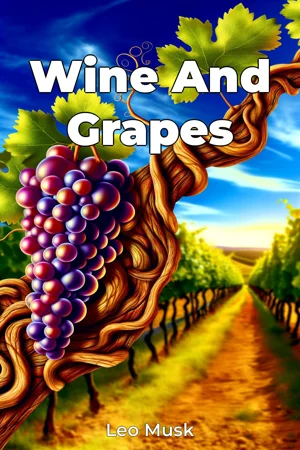
"What transforms a simple grape into a complex, flavorful wine?" This question opens the door to a fascinating journey through the world of viticulture and enology in "Wine and Grapes: A Global Exploration of Winemaking Traditions and Technologies." This comprehensive guide delves into the intricate process of winemaking and the diverse wine-producing regions across the globe, offering readers a blend of historical context, scientific insight, and cultural appreciation. The book explores two main topics: the science and art of winemaking, and the geographical and cultural aspects of wine production. These subjects are crucial for understanding the multifaceted nature of the wine industry and its significance in both culinary and economic spheres. By examining these areas, readers gain a deeper appreciation for the complexity behind every bottle of wine. To provide context, the book traces the history of winemaking from ancient civilizations to modern times, highlighting key developments that have shaped the industry. It also offers a primer on grape biology and chemistry, ensuring readers have the necessary background to grasp the more technical aspects of wine production. The central thesis of "Wine and Grapes" is that winemaking is a perfect fusion of tradition and innovation, where age-old practices meet cutting-edge technology to produce an ever-evolving array of wines. This argument is particularly relevant in today's rapidly changing agricultural and culinary landscapes, where consumers are increasingly interested in the provenance and production methods of their food and drink. The book is structured to guide readers through the winemaking process, from vineyard to bottle. It begins with an introduction to grape varieties and cultivation techniques, then moves on to fermentation processes and aging methods. The narrative then shifts to explore major wine-producing regions, examining how local climate, soil, and culture influence the characteristics of wines from different areas. Finally, it discusses the future of winemaking, including sustainable practices and technological advancements. To support its arguments, "Wine and Grapes" draws on a wide range of sources, including academic research in viticulture and enology, interviews with winemakers and sommeliers, and data from wine industry reports. The book also features case studies of innovative wineries and breakthrough technologies that are reshaping the field. The interdisciplinary nature of winemaking is highlighted throughout the book. Connections are drawn to fields such as agriculture, chemistry, microbiology, and even marketing and tourism. These links demonstrate how winemaking intersects with various aspects of science, culture, and commerce. What sets this book apart is its holistic approach to the subject. Rather than focusing solely on either the scientific or cultural aspects of wine, it weaves together multiple perspectives to provide a comprehensive view of the wine world. This approach allows readers to understand not just how wine is made, but why certain methods are used and how they've evolved over time. The writing style is informative yet accessible, striking a balance between technical accuracy and readability. While it includes scientific explanations, these are presented in a way that non-experts can understand and appreciate. "Wine and Grapes" is aimed at a broad audience, including wine enthusiasts, culinary students, and professionals in the food and beverage industry. It offers valuable insights for anyone seeking to deepen their understanding of wine beyond mere tasting notes. As a work of food writing with a strong technological component, the book pays special attention to the interplay between traditional winemaking methods and modern innovations. It explores how technology is being used to enhance wine quality, improve sustainability, and address challenges posed by climate change. While the book provides a global overview of winemaking, it acknowledges that it cannot cover every wine-producing region in depth. Instead, it focuses on major regions and uses them as examples to illustrate broader principles and trends. Readers can apply the knowledge gained from this book in various ways, from making more informed wine selections to understanding the impact of climate and production methods on wine characteristics. For those in the industry, it offers insights into emerging trends and technologies that could shape the future of winemaking. The book also addresses ongoing debates in the wine world, such as the merits of organic and biodynamic winemaking, the use of genetically modified organisms in viticulture, and the impact of climate change on traditional wine-growing regions. "Wine and Grapes" offers a rich exploration of the world of wine, blending scientific rigor with cultural insight to provide a comprehensive guide to this ancient yet ever-evolving craft.
"What transforms a simple grape into a complex, flavorful wine?" This question opens the door to a fascinating journey through the world of viticulture and enology in "Wine and Grapes: A Global Exploration of Winemaking Traditions and Technologies." This comprehensive guide delves into the intricate process of winemaking and the diverse wine-producing regions across the globe, offering readers a blend of historical context, scientific insight, and cultural appreciation. The book explores two main topics: the science and art of winemaking, and the geographical and cultural aspects of wine production. These subjects are crucial for understanding the multifaceted nature of the wine industry and its significance in both culinary and economic spheres. By examining these areas, readers gain a deeper appreciation for the complexity behind every bottle of wine. To provide context, the book traces the history of winemaking from ancient civilizations to modern times, highlighting key developments that have shaped the industry. It also offers a primer on grape biology and chemistry, ensuring readers have the necessary background to grasp the more technical aspects of wine production. The central thesis of "Wine and Grapes" is that winemaking is a perfect fusion of tradition and innovation, where age-old practices meet cutting-edge technology to produce an ever-evolving array of wines. This argument is particularly relevant in today's rapidly changing agricultural and culinary landscapes, where consumers are increasingly interested in the provenance and production methods of their food and drink. The book is structured to guide readers through the winemaking process, from vineyard to bottle. It begins with an introduction to grape varieties and cultivation techniques, then moves on to fermentation processes and aging methods. The narrative then shifts to explore major wine-producing regions, examining how local climate, soil, and culture influence the characteristics of wines from different areas. Finally, it discusses the future of winemaking, including sustainable practices and technological advancements. To support its arguments, "Wine and Grapes" draws on a wide range of sources, including academic research in viticulture and enology, interviews with winemakers and sommeliers, and data from wine industry reports. The book also features case studies of innovative wineries and breakthrough technologies that are reshaping the field. The interdisciplinary nature of winemaking is highlighted throughout the book. Connections are drawn to fields such as agriculture, chemistry, microbiology, and even marketing and tourism. These links demonstrate how winemaking intersects with various aspects of science, culture, and commerce. What sets this book apart is its holistic approach to the subject. Rather than focusing solely on either the scientific or cultural aspects of wine, it weaves together multiple perspectives to provide a comprehensive view of the wine world. This approach allows readers to understand not just how wine is made, but why certain methods are used and how they've evolved over time. The writing style is informative yet accessible, striking a balance between technical accuracy and readability. While it includes scientific explanations, these are presented in a way that non-experts can understand and appreciate. "Wine and Grapes" is aimed at a broad audience, including wine enthusiasts, culinary students, and professionals in the food and beverage industry. It offers valuable insights for anyone seeking to deepen their understanding of wine beyond mere tasting notes. As a work of food writing with a strong technological component, the book pays special attention to the interplay between traditional winemaking methods and modern innovations. It explores how technology is being used to enhance wine quality, improve sustainability, and address challenges posed by climate change. While the book provides a global overview of winemaking, it acknowledges that it cannot cover every wine-producing region in depth. Instead, it focuses on major regions and uses them as examples to illustrate broader principles and trends. Readers can apply the knowledge gained from this book in various ways, from making more informed wine selections to understanding the impact of climate and production methods on wine characteristics. For those in the industry, it offers insights into emerging trends and technologies that could shape the future of winemaking. The book also addresses ongoing debates in the wine world, such as the merits of organic and biodynamic winemaking, the use of genetically modified organisms in viticulture, and the impact of climate change on traditional wine-growing regions. "Wine and Grapes" offers a rich exploration of the world of wine, blending scientific rigor with cultural insight to provide a comprehensive guide to this ancient yet ever-evolving craft.
Wine and Grapes: A Global Exploration of Winemaking Traditions and Technologies delves into the fascinating world of viticulture and enology, exploring the intricate process of transforming grapes into complex, flavorful wines. This comprehensive guide seamlessly blends historical context, scientific insight, and cultural appreciation to provide readers with a holistic understanding of winemaking. The book's central thesis posits that winemaking is a perfect fusion of tradition and innovation, where age-old practices meet cutting-edge technology. From vineyard to bottle, the book guides readers through the winemaking process, examining grape varieties, cultivation techniques, fermentation processes, and aging methods. It also explores major wine-producing regions, highlighting how local terroir influences wine characteristics. Intriguingly, the book discusses how technology is being used to enhance wine quality and address challenges posed by climate change. The interdisciplinary nature of winemaking is emphasized throughout, drawing connections to fields such as agriculture, chemistry, and even tourism. What sets Wine and Grapes apart is its accessible yet informative tone, making it valuable for both wine enthusiasts and industry professionals. By offering a blend of scientific explanations and cultural insights, Wine and Grapes provides readers with the tools to make informed wine selections and understand the impact of production methods on wine characteristics. This unique approach makes the book an essential read for anyone seeking to deepen their appreciation of the complex world of wine.
Book Details
ISBN
9788233933289
Publisher
Publifye AS
Your Licenses
You don't own any licenses for this book
Purchase a license below to unlock this book and download the EPUB.
Purchase License
Select a tier to unlock this book
Need bulk licensing?
Contact us for enterprise agreements.