
About This Book
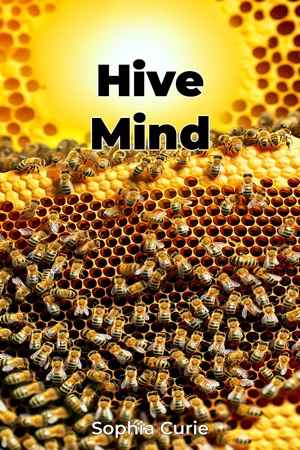
What if the key to understanding complex social systems lies in the humble beehive or ant colony? "Hive Mind" delves into the fascinating world of eusocial insects, exploring how their collective behaviors can shed light on human societies, organizational structures, and even artificial intelligence. The book focuses on three main topics: the mechanics of insect colonies, the concept of emergent intelligence, and the applications of swarm behavior in human systems. These topics are crucial for understanding how simple organisms can create complex, adaptive systems—a concept with far-reaching implications for biology, computer science, and social sciences. To appreciate the significance of hive minds, readers are introduced to the historical context of eusociality in the animal kingdom. The book traces the evolution of social insects from solitary ancestors to the highly organized colonies we see today. This background provides readers with the necessary foundation to grasp the intricate workings of insect societies. The central argument of "Hive Mind" is that collective intelligence emerges from the interactions of numerous simple agents following basic rules, rather than from centralized control. This concept challenges traditional notions of intelligence and organization, suggesting that complex problem-solving can arise without individual comprehension of the overall goal. The book is structured to guide readers through this argument systematically. It begins by introducing the basic biology and behavior of social insects, focusing on bees, ants, and termites. The second section explores the emergence of collective intelligence, examining how individual actions coalesce into group-level decision-making and problem-solving. The final part of the book discusses how these principles can be applied to human systems, from business management to urban planning. To support its claims, "Hive Mind" draws on a wealth of scientific research, including field studies, laboratory experiments, and computer simulations. The book presents data from long-term observational studies of insect colonies, as well as cutting-edge research in swarm robotics and artificial life. The interdisciplinary nature of the subject is a key strength of the book. It connects biology with computer science, showing how algorithms inspired by insect behavior are being used to optimize transportation networks and improve artificial intelligence. The book also links to psychology and sociology, exploring parallels between insect and human social structures. What sets "Hive Mind" apart is its unique perspective on intelligence and organization. By examining these concepts through the lens of eusocial insects, the book offers fresh insights into the nature of collective behavior and decision-making. This approach challenges readers to reconsider their assumptions about leadership, hierarchy, and problem-solving. The writing style is accessible yet rigorous, striking a balance between scientific accuracy and engaging narrative. While the book is grounded in academic research, it employs clear explanations and real-world examples to make complex concepts understandable to a general audience. "Hive Mind" is targeted at readers interested in biology, technology, and social sciences. It appeals to students, researchers, and professionals in these fields, as well as curious general readers seeking to understand the hidden complexities of the natural world and their relevance to human society. As a work of scientific non-fiction, the book adheres to the conventions of the genre, presenting evidence-based arguments and maintaining a critical, objective stance. It also includes relevant diagrams, illustrations, and data visualizations to support the text. While the book covers a wide range of topics related to collective behavior, it primarily focuses on insects and their direct applications to human systems. It acknowledges but does not deeply explore other forms of collective intelligence in nature, such as fish schools or bird flocks. The practical applications of the book's insights are numerous. Readers can apply principles of swarm intelligence to improve decision-making in organizations, design more efficient systems, and develop new approaches to problem-solving in various fields. "Hive Mind" addresses ongoing debates in the scientific community, such as the nature of consciousness and the definition of intelligence. It presents different viewpoints on these issues, encouraging readers to think critically about the implications of collective behavior for our understanding of cognition and social organization. By examining the intricate world of social insects, "Hive Mind" offers a compelling exploration of collective intelligence and its potential to reshape our approach to complex systems. It provides readers with a new perspective on the power of cooperation and the emergent properties of large-scale interactions, challenging us to see the world through the compound eyes of the hive.
What if the key to understanding complex social systems lies in the humble beehive or ant colony? "Hive Mind" delves into the fascinating world of eusocial insects, exploring how their collective behaviors can shed light on human societies, organizational structures, and even artificial intelligence. The book focuses on three main topics: the mechanics of insect colonies, the concept of emergent intelligence, and the applications of swarm behavior in human systems. These topics are crucial for understanding how simple organisms can create complex, adaptive systems—a concept with far-reaching implications for biology, computer science, and social sciences. To appreciate the significance of hive minds, readers are introduced to the historical context of eusociality in the animal kingdom. The book traces the evolution of social insects from solitary ancestors to the highly organized colonies we see today. This background provides readers with the necessary foundation to grasp the intricate workings of insect societies. The central argument of "Hive Mind" is that collective intelligence emerges from the interactions of numerous simple agents following basic rules, rather than from centralized control. This concept challenges traditional notions of intelligence and organization, suggesting that complex problem-solving can arise without individual comprehension of the overall goal. The book is structured to guide readers through this argument systematically. It begins by introducing the basic biology and behavior of social insects, focusing on bees, ants, and termites. The second section explores the emergence of collective intelligence, examining how individual actions coalesce into group-level decision-making and problem-solving. The final part of the book discusses how these principles can be applied to human systems, from business management to urban planning. To support its claims, "Hive Mind" draws on a wealth of scientific research, including field studies, laboratory experiments, and computer simulations. The book presents data from long-term observational studies of insect colonies, as well as cutting-edge research in swarm robotics and artificial life. The interdisciplinary nature of the subject is a key strength of the book. It connects biology with computer science, showing how algorithms inspired by insect behavior are being used to optimize transportation networks and improve artificial intelligence. The book also links to psychology and sociology, exploring parallels between insect and human social structures. What sets "Hive Mind" apart is its unique perspective on intelligence and organization. By examining these concepts through the lens of eusocial insects, the book offers fresh insights into the nature of collective behavior and decision-making. This approach challenges readers to reconsider their assumptions about leadership, hierarchy, and problem-solving. The writing style is accessible yet rigorous, striking a balance between scientific accuracy and engaging narrative. While the book is grounded in academic research, it employs clear explanations and real-world examples to make complex concepts understandable to a general audience. "Hive Mind" is targeted at readers interested in biology, technology, and social sciences. It appeals to students, researchers, and professionals in these fields, as well as curious general readers seeking to understand the hidden complexities of the natural world and their relevance to human society. As a work of scientific non-fiction, the book adheres to the conventions of the genre, presenting evidence-based arguments and maintaining a critical, objective stance. It also includes relevant diagrams, illustrations, and data visualizations to support the text. While the book covers a wide range of topics related to collective behavior, it primarily focuses on insects and their direct applications to human systems. It acknowledges but does not deeply explore other forms of collective intelligence in nature, such as fish schools or bird flocks. The practical applications of the book's insights are numerous. Readers can apply principles of swarm intelligence to improve decision-making in organizations, design more efficient systems, and develop new approaches to problem-solving in various fields. "Hive Mind" addresses ongoing debates in the scientific community, such as the nature of consciousness and the definition of intelligence. It presents different viewpoints on these issues, encouraging readers to think critically about the implications of collective behavior for our understanding of cognition and social organization. By examining the intricate world of social insects, "Hive Mind" offers a compelling exploration of collective intelligence and its potential to reshape our approach to complex systems. It provides readers with a new perspective on the power of cooperation and the emergent properties of large-scale interactions, challenging us to see the world through the compound eyes of the hive.
"Hive Mind" delves into the fascinating world of eusocial insects, exploring how their collective behaviors can illuminate our understanding of complex social systems, from human societies to artificial intelligence. The book focuses on three key areas: insect colony mechanics, emergent intelligence, and the applications of swarm behavior in human systems. By examining these topics, readers gain insight into how simple organisms create complex, adaptive systems—a concept with far-reaching implications across multiple disciplines. The book's central argument challenges traditional notions of intelligence and organization, proposing that collective intelligence emerges from the interactions of numerous simple agents following basic rules, rather than from centralized control. This perspective offers fresh insights into the nature of collective behavior and decision-making, encouraging readers to reconsider their assumptions about leadership, hierarchy, and problem-solving. "Hive Mind" progresses from introducing the basic biology of social insects to exploring the emergence of collective intelligence, and finally discussing applications in human systems such as business management and urban planning. Drawing on a wealth of scientific research, including field studies and computer simulations, "Hive Mind" presents its content in an accessible yet rigorous style. Its interdisciplinary approach connects biology with computer science, psychology, and sociology, making it valuable for readers interested in understanding the hidden complexities of the natural world and their relevance to human society. By examining intelligence and organization through the lens of eusocial insects, the book offers a unique perspective on collective behavior that challenges and enlightens its audience.
Book Details
ISBN
9788233933258
Publisher
Publifye AS
Your Licenses
You don't own any licenses for this book
Purchase a license below to unlock this book and download the EPUB.
Purchase License
Select a tier to unlock this book
Need bulk licensing?
Contact us for enterprise agreements.