
About This Book
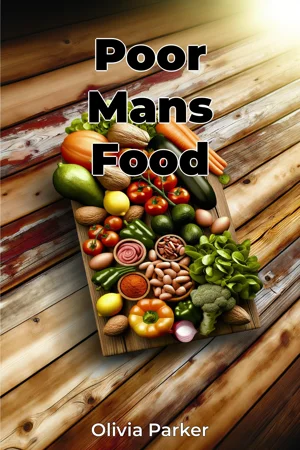
In a world of increasing food prices and health concerns, what if the most nutritious foods were also the most affordable and accessible? "Poor Man's Food" challenges our perceptions of nutrition and socioeconomic status, revealing that some of the healthiest foods have long been staples of lower-income diets. This eye-opening exploration of nutrition, economics, and cultural food practices offers a fresh perspective on how we can all eat better for less. The book focuses on three main topics: the nutritional value of traditionally inexpensive foods, the historical and cultural significance of these foods, and practical strategies for incorporating them into modern diets. By examining these areas, readers will gain a comprehensive understanding of how to maximize nutrition while minimizing costs. To fully appreciate the significance of "poor man's food," the book provides essential context on the evolution of human diets and the impact of industrialization on food production and consumption. It explores how certain foods became associated with poverty and how these associations have shaped our current nutritional landscape. This historical perspective helps readers understand why many nutrient-dense foods have been overlooked or undervalued in contemporary society. The central argument of "Poor Man's Food" is that the most nutritious and economical foods are often one and the same, and that by embracing these foods, we can improve public health, reduce healthcare costs, and promote more sustainable food systems. This thesis challenges prevailing notions about the relationship between food quality and price, offering a paradigm shift in how we approach nutrition and food security. The book is structured to guide readers through a logical progression of ideas. It begins by introducing the concept of nutrient density and its importance in human health. The subsequent chapters explore specific categories of "poor man's foods," such as legumes, whole grains, and organ meats, detailing their nutritional profiles and historical significance. The book then examines how these foods can be incorporated into modern diets, addressing potential barriers and offering practical solutions. Finally, it concludes by discussing the broader implications of embracing these foods for individual and public health, as well as for environmental sustainability. To support its arguments, "Poor Man's Food" draws on a wide range of evidence, including nutritional studies, historical records, and ethnographic research. The book also features original analysis of food price data in relation to nutrient content, providing readers with a unique perspective on food value. Case studies from various cultures and time periods illustrate the enduring importance of these foods in human nutrition. The interdisciplinary nature of "Poor Man's Food" is evident in its connections to fields such as public health, economics, and environmental science. By exploring the intersections between these disciplines, the book offers a holistic view of food systems and their impact on human wellbeing. What sets this book apart is its challenge to conventional wisdom about nutrition and socioeconomic status. By reframing "poor man's food" as a source of superior nutrition, it offers a fresh and empowering perspective on healthy eating. The writing style is informative yet accessible, blending scientific information with historical anecdotes and practical advice to engage a wide audience. "Poor Man's Food" is targeted at health-conscious individuals looking to improve their diets without breaking the bank, as well as policymakers, nutritionists, and anyone interested in food systems and public health. Its insights are particularly relevant in the context of rising food insecurity and chronic disease rates. As a work of non-fiction in the health, fitness, and cooking genres, the book includes evidence-based nutritional information, historical context, and practical recipes and meal plans. It also addresses common misconceptions about nutrition and provides guidance on shopping for and preparing nutrient-dense, affordable foods. While the book covers a wide range of foods and cultural practices, it focuses primarily on plant-based foods and affordable animal products that are widely available in most societies. It acknowledges that food availability and cultural preferences vary globally, and encourages readers to apply its principles to their local food environments. The real-world applications of "Poor Man's Food" are numerous. Readers will learn how to identify nutrient-dense, affordable foods in their local markets, how to prepare these foods in appetizing ways, and how to plan balanced, economical meals. The book also discusses how these principles can be applied on a larger scale to improve institutional food programs and public health initiatives. By addressing ongoing debates about food policy, nutrition education, and the role of traditional diets in modern health, "Poor Man's Food" contributes to important conversations in the fields of nutrition and public health. It challenges readers to reconsider their assumptions about food, health, and economic status, offering a path to better nutrition that is accessible to all.
In a world of increasing food prices and health concerns, what if the most nutritious foods were also the most affordable and accessible? "Poor Man's Food" challenges our perceptions of nutrition and socioeconomic status, revealing that some of the healthiest foods have long been staples of lower-income diets. This eye-opening exploration of nutrition, economics, and cultural food practices offers a fresh perspective on how we can all eat better for less. The book focuses on three main topics: the nutritional value of traditionally inexpensive foods, the historical and cultural significance of these foods, and practical strategies for incorporating them into modern diets. By examining these areas, readers will gain a comprehensive understanding of how to maximize nutrition while minimizing costs. To fully appreciate the significance of "poor man's food," the book provides essential context on the evolution of human diets and the impact of industrialization on food production and consumption. It explores how certain foods became associated with poverty and how these associations have shaped our current nutritional landscape. This historical perspective helps readers understand why many nutrient-dense foods have been overlooked or undervalued in contemporary society. The central argument of "Poor Man's Food" is that the most nutritious and economical foods are often one and the same, and that by embracing these foods, we can improve public health, reduce healthcare costs, and promote more sustainable food systems. This thesis challenges prevailing notions about the relationship between food quality and price, offering a paradigm shift in how we approach nutrition and food security. The book is structured to guide readers through a logical progression of ideas. It begins by introducing the concept of nutrient density and its importance in human health. The subsequent chapters explore specific categories of "poor man's foods," such as legumes, whole grains, and organ meats, detailing their nutritional profiles and historical significance. The book then examines how these foods can be incorporated into modern diets, addressing potential barriers and offering practical solutions. Finally, it concludes by discussing the broader implications of embracing these foods for individual and public health, as well as for environmental sustainability. To support its arguments, "Poor Man's Food" draws on a wide range of evidence, including nutritional studies, historical records, and ethnographic research. The book also features original analysis of food price data in relation to nutrient content, providing readers with a unique perspective on food value. Case studies from various cultures and time periods illustrate the enduring importance of these foods in human nutrition. The interdisciplinary nature of "Poor Man's Food" is evident in its connections to fields such as public health, economics, and environmental science. By exploring the intersections between these disciplines, the book offers a holistic view of food systems and their impact on human wellbeing. What sets this book apart is its challenge to conventional wisdom about nutrition and socioeconomic status. By reframing "poor man's food" as a source of superior nutrition, it offers a fresh and empowering perspective on healthy eating. The writing style is informative yet accessible, blending scientific information with historical anecdotes and practical advice to engage a wide audience. "Poor Man's Food" is targeted at health-conscious individuals looking to improve their diets without breaking the bank, as well as policymakers, nutritionists, and anyone interested in food systems and public health. Its insights are particularly relevant in the context of rising food insecurity and chronic disease rates. As a work of non-fiction in the health, fitness, and cooking genres, the book includes evidence-based nutritional information, historical context, and practical recipes and meal plans. It also addresses common misconceptions about nutrition and provides guidance on shopping for and preparing nutrient-dense, affordable foods. While the book covers a wide range of foods and cultural practices, it focuses primarily on plant-based foods and affordable animal products that are widely available in most societies. It acknowledges that food availability and cultural preferences vary globally, and encourages readers to apply its principles to their local food environments. The real-world applications of "Poor Man's Food" are numerous. Readers will learn how to identify nutrient-dense, affordable foods in their local markets, how to prepare these foods in appetizing ways, and how to plan balanced, economical meals. The book also discusses how these principles can be applied on a larger scale to improve institutional food programs and public health initiatives. By addressing ongoing debates about food policy, nutrition education, and the role of traditional diets in modern health, "Poor Man's Food" contributes to important conversations in the fields of nutrition and public health. It challenges readers to reconsider their assumptions about food, health, and economic status, offering a path to better nutrition that is accessible to all.
"Poor Man's Food" challenges our perceptions of nutrition and socioeconomic status, revealing that some of the most nutritious foods are often the most affordable and accessible. This eye-opening exploration delves into the nutritional value of traditionally inexpensive foods, their historical significance, and practical strategies for incorporating them into modern diets. The book argues that embracing these nutrient-dense, economical foods can improve public health, reduce healthcare costs, and promote sustainable food systems. Readers will discover intriguing facts about the evolution of human diets and how industrialization has impacted food production and consumption. The book examines specific categories of "poor man's foods," such as legumes, whole grains, and organ meats, detailing their nutritional profiles and cultural importance. It provides evidence-based information, blending scientific studies with historical anecdotes and practical advice to engage a wide audience. As the book progresses, it offers guidance on identifying nutrient-dense, affordable foods in local markets and preparing them in appetizing ways. It addresses common misconceptions about nutrition and provides meal planning strategies that balance nutrition and cost. By challenging conventional wisdom about the relationship between food quality and price, "Poor Man's Food" offers a fresh perspective on healthy eating that is accessible to all, regardless of economic status.
Book Details
ISBN
9788233933241
Publisher
Publifye AS
Your Licenses
You don't own any licenses for this book
Purchase a license below to unlock this book and download the EPUB.
Purchase License
Select a tier to unlock this book
Need bulk licensing?
Contact us for enterprise agreements.