
About This Book
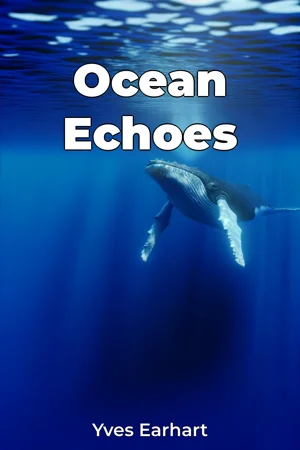
What if the key to understanding our oceans lay not in what we see, but in what we hear? "Ocean Echoes" invites readers to dive into the captivating world of marine acoustics, revealing how sound shapes life beneath the waves and influences global environmental patterns. The book explores three main topics: marine animal communication, the impact of human-made noise on ocean ecosystems, and the application of acoustic technology in marine research. These subjects are crucial for understanding the complex interactions within marine environments and the far-reaching consequences of human activities on our planet's largest habitat. To provide context, "Ocean Echoes" begins with an overview of the physics of underwater sound propagation. It explains how sound travels differently in water compared to air, often covering vast distances with little loss of energy. This foundation helps readers grasp the significance of acoustics in marine life and research. The central argument of the book is that sound is a fundamental, yet often overlooked, component of marine ecosystems. It posits that understanding and managing the acoustic environment is critical for marine conservation, sustainable use of ocean resources, and mitigating the impacts of climate change. The content is structured to guide readers through this argument: 1. Introduction to marine bioacoustics, focusing on how various marine species produce and use sound. 2. Examination of human-generated ocean noise, its sources, and effects on marine life. 3. Exploration of acoustic technologies in oceanography and marine research. 4. Discussion of the implications of these findings for marine conservation and policy. To support its claims, "Ocean Echoes" draws on a wide range of scientific studies, including long-term acoustic monitoring projects, behavioral experiments with marine animals, and oceanographic surveys. It also incorporates firsthand accounts from marine biologists, acousticians, and conservation experts working in the field. The book makes interdisciplinary connections between marine biology, physics, oceanography, and climate science. It also touches on aspects of engineering in the development of acoustic technologies and explores the intersection of marine policy and environmental science. "Ocean Echoes" stands out for its comprehensive approach to marine acoustics, bridging the gap between scientific research and public understanding. It presents complex scientific concepts in an accessible manner, using analogies and real-world examples to illustrate key points. The writing style is informative yet engaging, blending scientific explanations with narrative elements to maintain reader interest. While rooted in academic research, the book avoids excessive jargon, making it suitable for a general audience with an interest in marine science and environmental issues. The target audience includes marine enthusiasts, environmental advocates, students of marine biology or oceanography, and policymakers involved in marine conservation. The book offers valuable insights for anyone seeking a deeper understanding of ocean ecosystems and the challenges they face. As an environmental and science non-fiction work, "Ocean Echoes" adheres to scientific accuracy while presenting information in a compelling narrative format. It includes data visualizations, maps, and diagrams to illustrate key concepts and findings. The book covers a broad range of topics within marine acoustics but acknowledges that the field is rapidly evolving. It focuses primarily on current research and established knowledge, noting areas where further study is needed. Readers can apply the knowledge gained from "Ocean Echoes" in various ways, from making informed decisions about marine conservation to understanding the implications of coastal development on marine life. The book also discusses how individuals can contribute to citizen science projects involving marine acoustics. "Ocean Echoes" addresses ongoing debates in the field, such as the regulation of ocean noise pollution and the use of active sonar in military operations. It presents multiple perspectives on these issues while emphasizing the need for evidence-based policymaking. Through its exploration of the hidden world of marine acoustics, "Ocean Echoes" offers readers a new perspective on ocean life and conservation. It demonstrates how understanding the soundscape of our oceans is crucial for protecting marine ecosystems and managing the impacts of human activities on this vital global resource.
What if the key to understanding our oceans lay not in what we see, but in what we hear? "Ocean Echoes" invites readers to dive into the captivating world of marine acoustics, revealing how sound shapes life beneath the waves and influences global environmental patterns. The book explores three main topics: marine animal communication, the impact of human-made noise on ocean ecosystems, and the application of acoustic technology in marine research. These subjects are crucial for understanding the complex interactions within marine environments and the far-reaching consequences of human activities on our planet's largest habitat. To provide context, "Ocean Echoes" begins with an overview of the physics of underwater sound propagation. It explains how sound travels differently in water compared to air, often covering vast distances with little loss of energy. This foundation helps readers grasp the significance of acoustics in marine life and research. The central argument of the book is that sound is a fundamental, yet often overlooked, component of marine ecosystems. It posits that understanding and managing the acoustic environment is critical for marine conservation, sustainable use of ocean resources, and mitigating the impacts of climate change. The content is structured to guide readers through this argument: 1. Introduction to marine bioacoustics, focusing on how various marine species produce and use sound. 2. Examination of human-generated ocean noise, its sources, and effects on marine life. 3. Exploration of acoustic technologies in oceanography and marine research. 4. Discussion of the implications of these findings for marine conservation and policy. To support its claims, "Ocean Echoes" draws on a wide range of scientific studies, including long-term acoustic monitoring projects, behavioral experiments with marine animals, and oceanographic surveys. It also incorporates firsthand accounts from marine biologists, acousticians, and conservation experts working in the field. The book makes interdisciplinary connections between marine biology, physics, oceanography, and climate science. It also touches on aspects of engineering in the development of acoustic technologies and explores the intersection of marine policy and environmental science. "Ocean Echoes" stands out for its comprehensive approach to marine acoustics, bridging the gap between scientific research and public understanding. It presents complex scientific concepts in an accessible manner, using analogies and real-world examples to illustrate key points. The writing style is informative yet engaging, blending scientific explanations with narrative elements to maintain reader interest. While rooted in academic research, the book avoids excessive jargon, making it suitable for a general audience with an interest in marine science and environmental issues. The target audience includes marine enthusiasts, environmental advocates, students of marine biology or oceanography, and policymakers involved in marine conservation. The book offers valuable insights for anyone seeking a deeper understanding of ocean ecosystems and the challenges they face. As an environmental and science non-fiction work, "Ocean Echoes" adheres to scientific accuracy while presenting information in a compelling narrative format. It includes data visualizations, maps, and diagrams to illustrate key concepts and findings. The book covers a broad range of topics within marine acoustics but acknowledges that the field is rapidly evolving. It focuses primarily on current research and established knowledge, noting areas where further study is needed. Readers can apply the knowledge gained from "Ocean Echoes" in various ways, from making informed decisions about marine conservation to understanding the implications of coastal development on marine life. The book also discusses how individuals can contribute to citizen science projects involving marine acoustics. "Ocean Echoes" addresses ongoing debates in the field, such as the regulation of ocean noise pollution and the use of active sonar in military operations. It presents multiple perspectives on these issues while emphasizing the need for evidence-based policymaking. Through its exploration of the hidden world of marine acoustics, "Ocean Echoes" offers readers a new perspective on ocean life and conservation. It demonstrates how understanding the soundscape of our oceans is crucial for protecting marine ecosystems and managing the impacts of human activities on this vital global resource.
"Ocean Echoes" dives into the fascinating realm of marine acoustics, revealing how sound shapes life beneath the waves and influences global environmental patterns. This comprehensive exploration covers three main areas: marine animal communication, the impact of human-made noise on ocean ecosystems, and the application of acoustic technology in marine research. The book argues that sound is a fundamental, yet often overlooked, component of marine ecosystems, crucial for conservation efforts and mitigating climate change impacts. Readers will discover intriguing facts about underwater sound propagation, such as how it travels differently in water compared to air, often covering vast distances with little energy loss. The book also highlights the diverse ways marine species produce and use sound, from whale songs to the clicks of hunting dolphins. Through a blend of scientific studies, firsthand accounts, and accessible explanations, "Ocean Echoes" bridges the gap between complex research and public understanding. As the narrative progresses, it examines human-generated ocean noise, explores acoustic technologies in oceanography, and discusses implications for marine conservation and policy. By presenting this multifaceted approach to marine acoustics, the book offers valuable insights for marine enthusiasts, environmental advocates, students, and policymakers alike, emphasizing the importance of sound in understanding and protecting our planet's largest habitat.
Book Details
ISBN
9788233933234
Publisher
Publifye AS
Your Licenses
You don't own any licenses for this book
Purchase a license below to unlock this book and download the EPUB.
Purchase License
Select a tier to unlock this book
Need bulk licensing?
Contact us for enterprise agreements.