
About This Book
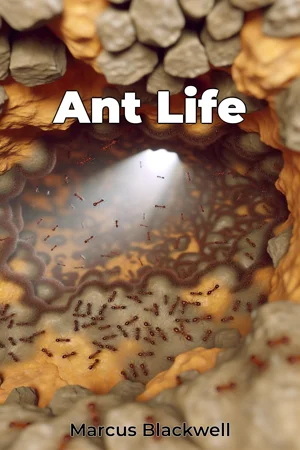
Have you ever wondered how a tiny ant colony can construct intricate underground cities spanning hundreds of square feet? "Ant Life" delves into the fascinating world of these remarkable insects, exploring their global diversity, complex social structures, and ingenious survival strategies. This comprehensive study of ants provides readers with a deep understanding of how these small creatures have become one of the most successful animal groups on Earth. The book focuses on three main topics: ant species diversity, colony organization, and ecological impact. By examining these areas, readers gain insight into the evolutionary success of ants and their critical role in various ecosystems. Understanding ant biology and behavior is not only crucial for entomologists and ecologists but also provides valuable lessons for human society in areas such as collective problem-solving and sustainable resource management. To properly contextualize the subject, "Ant Life" begins with an overview of ant evolution, tracing their origins back to wasp-like ancestors over 140 million years ago. This background helps readers appreciate the long history of ant adaptation and diversification. The book also introduces basic ant anatomy and lifecycle stages, providing essential knowledge for understanding more complex concepts discussed later. The central argument of "Ant Life" is that ants' extraordinary success stems from their highly organized social structures and their ability to adapt to diverse environments. This thesis is supported through detailed examinations of various ant species, their behaviors, and their interactions with their surroundings. The book is structured into four main sections. The first introduces ant biology and taxonomy, highlighting the incredible diversity of over 14,000 known species. The second section focuses on colony organization, explaining the roles of different castes and the sophisticated communication systems that allow for coordinated activities. The third part explores how ants interact with their environments, including their relationships with other organisms and their impact on ecosystems. The final section discusses the implications of ant research for human society and future scientific inquiry. To support its arguments, "Ant Life" draws on a wide range of scientific studies, including field observations, laboratory experiments, and cutting-edge genomic research. The book features data from long-term studies of ant colonies in various habitats, as well as insights gained from advanced imaging techniques that reveal the intricacies of ant anatomy and behavior. The interdisciplinary nature of ant research is emphasized throughout the book. Connections are made to fields such as robotics, where ant behavior inspires swarm intelligence algorithms, and materials science, where the study of ant exoskeletons leads to innovations in lightweight, durable materials. The book also explores links between ant agriculture and human farming practices, offering potential insights for sustainable food production. "Ant Life" stands out for its comprehensive approach to the subject, combining detailed scientific explanations with accessible language and engaging anecdotes. The book employs a narrative non-fiction style, weaving together scientific facts with stories of researchers' discoveries and experiences in the field. While the primary audience includes biology students, entomologists, and nature enthusiasts, the book's clear explanations and real-world applications make it valuable for a broader readership interested in natural history and ecology. The content is presented at a level suitable for educated laypersons, with technical terms explained clearly and complex concepts broken down into understandable components. As a work of scientific non-fiction, "Ant Life" adheres to rigorous academic standards while maintaining an engaging narrative flow. It includes detailed descriptions of ant anatomy, behavior, and ecology, supported by current research findings and theories in myrmecology (the study of ants). The book covers a wide range of ant species from various global habitats but acknowledges that it cannot encompass all known species or behaviors. It focuses on well-studied examples that illustrate key concepts and recent discoveries in the field. Readers can apply the knowledge gained from "Ant Life" in various ways, from improving garden management by understanding ant-plant interactions to developing more efficient logistics systems inspired by ant foraging strategies. The book also encourages readers to observe and appreciate the complex societies existing in their own backyards. While "Ant Life" primarily presents established scientific knowledge, it does touch on some ongoing debates in the field, such as the evolution of eusociality and the extent of ant impact on certain ecosystems. These controversies are presented objectively, with explanations of different viewpoints and their supporting evidence. Through its comprehensive exploration of ant biology, ecology, and behavior, "Ant Life" offers readers a window into one of nature's most fascinating success stories, demonstrating the complex and interconnected world that exists beneath our feet.
Have you ever wondered how a tiny ant colony can construct intricate underground cities spanning hundreds of square feet? "Ant Life" delves into the fascinating world of these remarkable insects, exploring their global diversity, complex social structures, and ingenious survival strategies. This comprehensive study of ants provides readers with a deep understanding of how these small creatures have become one of the most successful animal groups on Earth. The book focuses on three main topics: ant species diversity, colony organization, and ecological impact. By examining these areas, readers gain insight into the evolutionary success of ants and their critical role in various ecosystems. Understanding ant biology and behavior is not only crucial for entomologists and ecologists but also provides valuable lessons for human society in areas such as collective problem-solving and sustainable resource management. To properly contextualize the subject, "Ant Life" begins with an overview of ant evolution, tracing their origins back to wasp-like ancestors over 140 million years ago. This background helps readers appreciate the long history of ant adaptation and diversification. The book also introduces basic ant anatomy and lifecycle stages, providing essential knowledge for understanding more complex concepts discussed later. The central argument of "Ant Life" is that ants' extraordinary success stems from their highly organized social structures and their ability to adapt to diverse environments. This thesis is supported through detailed examinations of various ant species, their behaviors, and their interactions with their surroundings. The book is structured into four main sections. The first introduces ant biology and taxonomy, highlighting the incredible diversity of over 14,000 known species. The second section focuses on colony organization, explaining the roles of different castes and the sophisticated communication systems that allow for coordinated activities. The third part explores how ants interact with their environments, including their relationships with other organisms and their impact on ecosystems. The final section discusses the implications of ant research for human society and future scientific inquiry. To support its arguments, "Ant Life" draws on a wide range of scientific studies, including field observations, laboratory experiments, and cutting-edge genomic research. The book features data from long-term studies of ant colonies in various habitats, as well as insights gained from advanced imaging techniques that reveal the intricacies of ant anatomy and behavior. The interdisciplinary nature of ant research is emphasized throughout the book. Connections are made to fields such as robotics, where ant behavior inspires swarm intelligence algorithms, and materials science, where the study of ant exoskeletons leads to innovations in lightweight, durable materials. The book also explores links between ant agriculture and human farming practices, offering potential insights for sustainable food production. "Ant Life" stands out for its comprehensive approach to the subject, combining detailed scientific explanations with accessible language and engaging anecdotes. The book employs a narrative non-fiction style, weaving together scientific facts with stories of researchers' discoveries and experiences in the field. While the primary audience includes biology students, entomologists, and nature enthusiasts, the book's clear explanations and real-world applications make it valuable for a broader readership interested in natural history and ecology. The content is presented at a level suitable for educated laypersons, with technical terms explained clearly and complex concepts broken down into understandable components. As a work of scientific non-fiction, "Ant Life" adheres to rigorous academic standards while maintaining an engaging narrative flow. It includes detailed descriptions of ant anatomy, behavior, and ecology, supported by current research findings and theories in myrmecology (the study of ants). The book covers a wide range of ant species from various global habitats but acknowledges that it cannot encompass all known species or behaviors. It focuses on well-studied examples that illustrate key concepts and recent discoveries in the field. Readers can apply the knowledge gained from "Ant Life" in various ways, from improving garden management by understanding ant-plant interactions to developing more efficient logistics systems inspired by ant foraging strategies. The book also encourages readers to observe and appreciate the complex societies existing in their own backyards. While "Ant Life" primarily presents established scientific knowledge, it does touch on some ongoing debates in the field, such as the evolution of eusociality and the extent of ant impact on certain ecosystems. These controversies are presented objectively, with explanations of different viewpoints and their supporting evidence. Through its comprehensive exploration of ant biology, ecology, and behavior, "Ant Life" offers readers a window into one of nature's most fascinating success stories, demonstrating the complex and interconnected world that exists beneath our feet.
"Ant Life" delves into the remarkable world of ants, exploring their global diversity, complex social structures, and ingenious survival strategies. This comprehensive study reveals how these tiny insects have become one of Earth's most successful animal groups. The book focuses on three main areas: ant species diversity, colony organization, and ecological impact, offering readers a deep understanding of ant biology and behavior. The book progresses from an overview of ant evolution to detailed examinations of various species and their behaviors. It explores the highly organized social structures and adaptability that contribute to ants' extraordinary success. Readers will discover fascinating insights into ant colonies' construction of intricate underground cities and their sophisticated communication systems. The interdisciplinary nature of ant research is highlighted, with connections made to fields such as robotics and materials science. "Ant Life" combines detailed scientific explanations with accessible language and engaging anecdotes, making it valuable for both specialists and nature enthusiasts. By examining ants' roles in ecosystems and their potential lessons for human society, the book offers a unique perspective on these remarkable creatures and their importance in the natural world.
Book Details
ISBN
9788233933166
Publisher
Publifye AS
Your Licenses
You don't own any licenses for this book
Purchase a license below to unlock this book and download the EPUB.
Purchase License
Select a tier to unlock this book
Need bulk licensing?
Contact us for enterprise agreements.