
About This Book
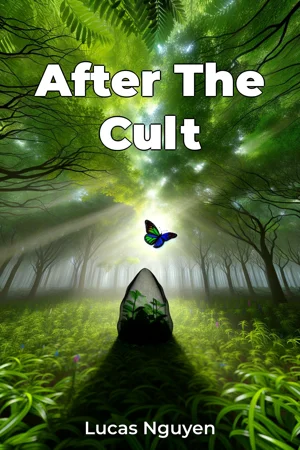
"After The Cult: Life after being in a cult and how to adjust and learn to live again" opens with a thought-provoking question: "How does one rebuild a life after years of psychological manipulation and isolation?" This self-help book delves into the complex journey of cult survivors as they navigate the challenging path of reintegration into mainstream society. The book focuses on three key topics: psychological deprogramming, rebuilding personal identity, and establishing healthy relationships. These themes are crucial for readers seeking to understand the profound impact of cult experiences and the steps necessary for recovery. By addressing these areas, the book provides a comprehensive roadmap for healing and personal growth. To contextualize the subject matter, the author presents a brief history of cults, their psychological tactics, and the societal factors that contribute to their persistence. This background information helps readers grasp the multifaceted nature of cult dynamics and the challenges faced by those who leave such groups. The central argument of the book is that recovery from cult experiences is possible through a combination of self-reflection, professional support, and practical life skills development. This message offers hope and guidance to survivors while emphasizing the importance of addressing the unique challenges they face. The book is structured in three main parts. The first section introduces the psychological impact of cult involvement, including concepts like cognitive dissonance and learned helplessness. The second part focuses on practical steps for rebuilding one's life, covering topics such as financial literacy, career development, and social reintegration. The final section addresses long-term healing and personal growth, including strategies for maintaining mental health and fostering resilience. To support its arguments, the book draws on a range of evidence, including case studies of cult survivors, interviews with mental health professionals, and data from longitudinal studies on cult recovery. The author also incorporates insights from cognitive behavioral therapy and trauma-informed care practices. The book makes interdisciplinary connections to fields such as social psychology, neuroscience, and cultural anthropology. These links provide a broader context for understanding cult phenomena and recovery processes, enhancing the book's overall argument. One unique aspect of this book is its holistic approach to recovery, combining psychological insights with practical life skills training. This comprehensive strategy sets it apart from other works in the field by addressing both the emotional and practical challenges of post-cult life. Written in an accessible, compassionate tone, the book balances academic rigor with relatable narratives. This approach makes complex psychological concepts understandable to a general audience while maintaining the seriousness the topic deserves. The target audience includes cult survivors, their families, mental health professionals, and anyone interested in understanding the process of recovering from extreme group experiences. The book offers valuable insights for those directly affected by cults as well as professionals working in related fields. As a self-help book focused on personal growth and happiness, it includes practical exercises, reflection prompts, and actionable advice throughout. These elements allow readers to apply the concepts to their own lives or the lives of those they're supporting. While the book primarily focuses on recovery from religious cults, it acknowledges that its principles can be applied to survivors of other high-control groups, such as political extremist organizations or abusive relationships. However, it clearly states that it is not a substitute for professional mental health treatment. The real-world applications of the book's content are numerous. Readers can use the strategies presented to develop coping mechanisms, rebuild their sense of self, and navigate the practical challenges of re-entering mainstream society. Mental health professionals can also use the book as a resource for working with cult survivors. The book addresses ongoing debates in the field of cult studies, such as the effectiveness of various deprogramming techniques and the role of social support in recovery. It presents balanced viewpoints on these issues, encouraging readers to think critically about different approaches to healing. By providing a comprehensive guide to life after cult involvement, "After The Cult" offers a valuable resource for those seeking to understand and overcome the challenges of post-cult recovery. Its blend of psychological insight, practical advice, and compassionate approach makes it a significant contribution to the fields of self-help and personal growth.
"After The Cult: Life after being in a cult and how to adjust and learn to live again" opens with a thought-provoking question: "How does one rebuild a life after years of psychological manipulation and isolation?" This self-help book delves into the complex journey of cult survivors as they navigate the challenging path of reintegration into mainstream society. The book focuses on three key topics: psychological deprogramming, rebuilding personal identity, and establishing healthy relationships. These themes are crucial for readers seeking to understand the profound impact of cult experiences and the steps necessary for recovery. By addressing these areas, the book provides a comprehensive roadmap for healing and personal growth. To contextualize the subject matter, the author presents a brief history of cults, their psychological tactics, and the societal factors that contribute to their persistence. This background information helps readers grasp the multifaceted nature of cult dynamics and the challenges faced by those who leave such groups. The central argument of the book is that recovery from cult experiences is possible through a combination of self-reflection, professional support, and practical life skills development. This message offers hope and guidance to survivors while emphasizing the importance of addressing the unique challenges they face. The book is structured in three main parts. The first section introduces the psychological impact of cult involvement, including concepts like cognitive dissonance and learned helplessness. The second part focuses on practical steps for rebuilding one's life, covering topics such as financial literacy, career development, and social reintegration. The final section addresses long-term healing and personal growth, including strategies for maintaining mental health and fostering resilience. To support its arguments, the book draws on a range of evidence, including case studies of cult survivors, interviews with mental health professionals, and data from longitudinal studies on cult recovery. The author also incorporates insights from cognitive behavioral therapy and trauma-informed care practices. The book makes interdisciplinary connections to fields such as social psychology, neuroscience, and cultural anthropology. These links provide a broader context for understanding cult phenomena and recovery processes, enhancing the book's overall argument. One unique aspect of this book is its holistic approach to recovery, combining psychological insights with practical life skills training. This comprehensive strategy sets it apart from other works in the field by addressing both the emotional and practical challenges of post-cult life. Written in an accessible, compassionate tone, the book balances academic rigor with relatable narratives. This approach makes complex psychological concepts understandable to a general audience while maintaining the seriousness the topic deserves. The target audience includes cult survivors, their families, mental health professionals, and anyone interested in understanding the process of recovering from extreme group experiences. The book offers valuable insights for those directly affected by cults as well as professionals working in related fields. As a self-help book focused on personal growth and happiness, it includes practical exercises, reflection prompts, and actionable advice throughout. These elements allow readers to apply the concepts to their own lives or the lives of those they're supporting. While the book primarily focuses on recovery from religious cults, it acknowledges that its principles can be applied to survivors of other high-control groups, such as political extremist organizations or abusive relationships. However, it clearly states that it is not a substitute for professional mental health treatment. The real-world applications of the book's content are numerous. Readers can use the strategies presented to develop coping mechanisms, rebuild their sense of self, and navigate the practical challenges of re-entering mainstream society. Mental health professionals can also use the book as a resource for working with cult survivors. The book addresses ongoing debates in the field of cult studies, such as the effectiveness of various deprogramming techniques and the role of social support in recovery. It presents balanced viewpoints on these issues, encouraging readers to think critically about different approaches to healing. By providing a comprehensive guide to life after cult involvement, "After The Cult" offers a valuable resource for those seeking to understand and overcome the challenges of post-cult recovery. Its blend of psychological insight, practical advice, and compassionate approach makes it a significant contribution to the fields of self-help and personal growth.
"After The Cult" offers a comprehensive guide for individuals rebuilding their lives after escaping high-control groups. This insightful book explores the complex journey of cult survivors, focusing on psychological deprogramming, rebuilding personal identity, and establishing healthy relationships. By addressing these crucial areas, it provides a roadmap for healing and personal growth. The book's unique approach combines psychological insights with practical life skills training, setting it apart from other works in the field. It progresses from examining the psychological impact of cult involvement to offering concrete steps for rebuilding one's life, including financial literacy and social reintegration. The final section addresses long-term healing and resilience. Throughout, the author incorporates case studies, expert interviews, and evidence-based strategies to support its arguments. Written in an accessible yet compassionate tone, "After The Cult" balances academic rigor with relatable narratives, making complex concepts understandable to a general audience. It offers hope and practical guidance for survivors, their families, and professionals working in related fields, emphasizing that recovery is possible through self-reflection, support, and skill development.
Book Details
ISBN
9788233933159
Publisher
Publifye AS
Your Licenses
You don't own any licenses for this book
Purchase a license below to unlock this book and download the EPUB.
Purchase License
Select a tier to unlock this book
Need bulk licensing?
Contact us for enterprise agreements.