
About This Book
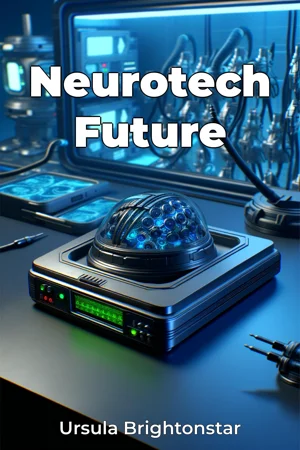
What if you could control a computer with your thoughts or restore movement to paralyzed limbs? These are not just science fiction scenarios, but real possibilities emerging from the rapidly evolving field of neurotechnology. "Neurotech Future" delves into the cutting-edge developments at the intersection of neuroscience and technology, exploring how these advancements are poised to revolutionize medicine, education, and human capabilities. The book focuses on three key areas of neurotechnology: brain-computer interfaces (BCIs), neuroprosthetics, and cognitive enhancement technologies. BCIs allow direct communication between the brain and external devices, potentially enabling control of computers or robotic limbs through thought alone. Neuroprosthetics aim to restore or augment neurological functions, offering hope for individuals with disabilities or neurological disorders. Cognitive enhancement technologies seek to improve mental capabilities, from memory and attention to creativity and problem-solving skills. To contextualize these developments, the book provides a concise history of neuroscience and computer technology, tracing the convergence of these fields over the past few decades. It explains key concepts in neurobiology, neuroimaging, and signal processing, ensuring readers have the necessary background to grasp the complexities of neurotechnology. The central argument of "Neurotech Future" is that neurotechnology represents a transformative force that will reshape society, healthcare, and human experience in the coming decades. The book contends that understanding and responsibly guiding the development of these technologies is crucial for maximizing their benefits while mitigating potential risks. Structured in three main parts, the book first introduces the fundamental concepts and current state of neurotechnology. The second part explores specific applications and their potential impacts, including medical treatments for neurological disorders, educational tools for enhancing learning, and augmentative technologies for expanding human cognitive abilities. The final section examines the ethical, legal, and societal implications of widespread neurotechnology adoption. To support its arguments, the book draws on a wide range of scientific studies, clinical trials, and interviews with leading researchers and innovators in the field. It presents case studies of individuals who have benefited from neurotechnological interventions, as well as data from laboratory experiments and early-stage commercial applications. "Neurotech Future" highlights the interdisciplinary nature of neurotechnology, showing how it intersects with fields such as artificial intelligence, materials science, and bioengineering. These connections are explored to demonstrate how advances in one area can accelerate progress in others, creating a synergistic effect that drives innovation. The book takes a balanced approach, acknowledging both the tremendous potential of neurotechnology and the challenges it presents. It introduces novel concepts such as "neural privacy" and explores how neurotechnology might impact our understanding of consciousness, free will, and human identity. Written in an accessible yet authoritative style, "Neurotech Future" aims to inform and engage a broad audience, from students and professionals in science and technology fields to policymakers and general readers interested in the future of human enhancement and healthcare. As a work in the biotechnology and technology genres, the book provides detailed technical information while maintaining readability. It includes diagrams, illustrations, and sidebars to explain complex concepts, as well as a glossary of key terms. While comprehensive in its coverage of current and near-future neurotechnologies, the book acknowledges the rapid pace of development in this field and focuses primarily on technologies that have demonstrated proof-of-concept or early practical applications. Readers will find practical insights into how neurotechnology might affect their lives, from potential medical treatments to new interfaces for interacting with digital devices. The book also provides a framework for understanding and evaluating news and claims about neurotechnological advancements. "Neurotech Future" addresses ongoing debates in the field, such as the ethics of cognitive enhancement, the potential for neurotechnology to exacerbate social inequalities, and concerns about neural data privacy and security. It presents various viewpoints on these issues, encouraging readers to think critically about the societal implications of these technologies. By offering a comprehensive overview of the neurotechnology landscape, "Neurotech Future" equips readers with the knowledge to understand and participate in the important discussions that will shape the development and implementation of these transformative technologies in the years to come.
What if you could control a computer with your thoughts or restore movement to paralyzed limbs? These are not just science fiction scenarios, but real possibilities emerging from the rapidly evolving field of neurotechnology. "Neurotech Future" delves into the cutting-edge developments at the intersection of neuroscience and technology, exploring how these advancements are poised to revolutionize medicine, education, and human capabilities. The book focuses on three key areas of neurotechnology: brain-computer interfaces (BCIs), neuroprosthetics, and cognitive enhancement technologies. BCIs allow direct communication between the brain and external devices, potentially enabling control of computers or robotic limbs through thought alone. Neuroprosthetics aim to restore or augment neurological functions, offering hope for individuals with disabilities or neurological disorders. Cognitive enhancement technologies seek to improve mental capabilities, from memory and attention to creativity and problem-solving skills. To contextualize these developments, the book provides a concise history of neuroscience and computer technology, tracing the convergence of these fields over the past few decades. It explains key concepts in neurobiology, neuroimaging, and signal processing, ensuring readers have the necessary background to grasp the complexities of neurotechnology. The central argument of "Neurotech Future" is that neurotechnology represents a transformative force that will reshape society, healthcare, and human experience in the coming decades. The book contends that understanding and responsibly guiding the development of these technologies is crucial for maximizing their benefits while mitigating potential risks. Structured in three main parts, the book first introduces the fundamental concepts and current state of neurotechnology. The second part explores specific applications and their potential impacts, including medical treatments for neurological disorders, educational tools for enhancing learning, and augmentative technologies for expanding human cognitive abilities. The final section examines the ethical, legal, and societal implications of widespread neurotechnology adoption. To support its arguments, the book draws on a wide range of scientific studies, clinical trials, and interviews with leading researchers and innovators in the field. It presents case studies of individuals who have benefited from neurotechnological interventions, as well as data from laboratory experiments and early-stage commercial applications. "Neurotech Future" highlights the interdisciplinary nature of neurotechnology, showing how it intersects with fields such as artificial intelligence, materials science, and bioengineering. These connections are explored to demonstrate how advances in one area can accelerate progress in others, creating a synergistic effect that drives innovation. The book takes a balanced approach, acknowledging both the tremendous potential of neurotechnology and the challenges it presents. It introduces novel concepts such as "neural privacy" and explores how neurotechnology might impact our understanding of consciousness, free will, and human identity. Written in an accessible yet authoritative style, "Neurotech Future" aims to inform and engage a broad audience, from students and professionals in science and technology fields to policymakers and general readers interested in the future of human enhancement and healthcare. As a work in the biotechnology and technology genres, the book provides detailed technical information while maintaining readability. It includes diagrams, illustrations, and sidebars to explain complex concepts, as well as a glossary of key terms. While comprehensive in its coverage of current and near-future neurotechnologies, the book acknowledges the rapid pace of development in this field and focuses primarily on technologies that have demonstrated proof-of-concept or early practical applications. Readers will find practical insights into how neurotechnology might affect their lives, from potential medical treatments to new interfaces for interacting with digital devices. The book also provides a framework for understanding and evaluating news and claims about neurotechnological advancements. "Neurotech Future" addresses ongoing debates in the field, such as the ethics of cognitive enhancement, the potential for neurotechnology to exacerbate social inequalities, and concerns about neural data privacy and security. It presents various viewpoints on these issues, encouraging readers to think critically about the societal implications of these technologies. By offering a comprehensive overview of the neurotechnology landscape, "Neurotech Future" equips readers with the knowledge to understand and participate in the important discussions that will shape the development and implementation of these transformative technologies in the years to come.
"Neurotech Future" explores the groundbreaking field of neurotechnology, where neuroscience meets cutting-edge technology to revolutionize medicine, education, and human capabilities. The book focuses on three key areas: brain-computer interfaces, neuroprosthetics, and cognitive enhancement technologies. These advancements promise to enable thought-controlled computers, restore movement to paralyzed limbs, and enhance mental abilities. The book argues that neurotechnology will be a transformative force in society, reshaping healthcare and human experience. It presents a balanced view of the potential benefits and risks, introducing novel concepts like "neural privacy" and exploring the ethical implications of human augmentation. Through case studies and scientific research, the book demonstrates how neurotechnology intersects with artificial intelligence, materials science, and bioengineering to drive innovation. Structured in three parts, "Neurotech Future" progresses from fundamental concepts to specific applications and societal implications. It provides readers with a framework for understanding and evaluating neurotechnological advancements, addressing ongoing debates in the field. By offering an accessible yet comprehensive overview, the book equips a broad audience with the knowledge to participate in crucial discussions about the future of human enhancement and healthcare.
Book Details
ISBN
9788233933111
Publisher
Publifye AS
Your Licenses
You don't own any licenses for this book
Purchase a license below to unlock this book and download the EPUB.
Purchase License
Select a tier to unlock this book
Need bulk licensing?
Contact us for enterprise agreements.