
About This Book
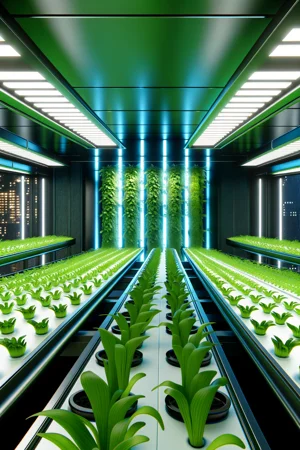
"Sustainable Food" opens with a provocative question: Can we feed 10 billion people without destroying the planet? This comprehensive exploration of innovative food production and consumption methods tackles one of the most pressing challenges of our time: ensuring global food security while minimizing environmental impact. The book focuses on three key topics: vertical farming, lab-grown meat, and precision agriculture. These cutting-edge approaches represent potential solutions to the dual challenges of feeding a growing population and reducing the ecological footprint of food production. By examining these technologies, the book provides readers with a deep understanding of how science and technology are reshaping our food systems. To contextualize these innovations, the book first outlines the current state of global agriculture and its environmental consequences. It examines how conventional farming practices contribute to deforestation, water scarcity, and greenhouse gas emissions. This background sets the stage for understanding why alternative methods are not just desirable but necessary for a sustainable future. The central argument of "Sustainable Food" is that a paradigm shift in food production is essential to meet the nutritional needs of a growing global population while preserving the planet's ecosystems. The book contends that by embracing biotechnology and precision farming techniques, we can dramatically increase food production efficiency while reducing resource consumption and environmental degradation. Structured in three main parts, the book first introduces the concepts of vertical farming, lab-grown meat, and precision agriculture. It then delves into each technology in detail, exploring their potential benefits, current limitations, and future prospects. The final section examines how these innovations could be integrated into existing food systems and discusses the policy changes and societal shifts needed to support their widespread adoption. To support its arguments, "Sustainable Food" draws on a wide range of scientific studies, industry reports, and expert interviews. It presents case studies of successful implementations of these technologies around the world, offering readers concrete examples of their potential. The book also employs data visualization techniques to help readers grasp complex concepts and statistics related to food production and environmental impact. Interdisciplinary in nature, "Sustainable Food" connects biotechnology with environmental science, economics, and public policy. It explores how advances in genetic engineering contribute to more resilient crops, how economic incentives can drive the adoption of sustainable practices, and how policy frameworks can support the transition to more sustainable food systems. What sets this book apart is its holistic approach to food sustainability. Rather than focusing solely on production techniques, it also addresses issues of distribution, consumer behavior, and food waste. This comprehensive perspective provides readers with a nuanced understanding of the complexities involved in creating a truly sustainable food system. Written in an accessible yet authoritative style, "Sustainable Food" balances scientific rigor with clear explanations suitable for a general audience. While it delves into technical details when necessary, the book maintains a narrative flow that keeps readers engaged throughout. The target audience for "Sustainable Food" includes policymakers, agricultural professionals, environmental scientists, and informed citizens interested in the future of food and sustainability. It offers valuable insights for anyone concerned about food security, climate change, and technological innovation in agriculture. As a work in the biotechnology and technology genres, the book incorporates detailed explanations of scientific concepts and technological processes. It also discusses the ethical implications of these new technologies, particularly regarding lab-grown meat and genetically modified organisms. While "Sustainable Food" provides a global perspective on food sustainability, it acknowledges that solutions may vary depending on local conditions and cultural contexts. It emphasizes that there is no one-size-fits-all approach to sustainable food production. The book offers practical suggestions for how readers can support sustainable food systems, from making informed consumer choices to advocating for policy changes. It also discusses how these technologies might impact various professions, from farming to food processing and retail. "Sustainable Food" addresses ongoing debates in the field, such as the long-term safety of genetically modified crops and the energy intensity of vertical farming systems. It presents balanced arguments, acknowledging both the potential benefits and possible drawbacks of each technology. By providing a comprehensive overview of innovative approaches to sustainable food production, "Sustainable Food" equips readers with the knowledge to engage in informed discussions about the future of our food systems and their impact on the planet.
"Sustainable Food" opens with a provocative question: Can we feed 10 billion people without destroying the planet? This comprehensive exploration of innovative food production and consumption methods tackles one of the most pressing challenges of our time: ensuring global food security while minimizing environmental impact. The book focuses on three key topics: vertical farming, lab-grown meat, and precision agriculture. These cutting-edge approaches represent potential solutions to the dual challenges of feeding a growing population and reducing the ecological footprint of food production. By examining these technologies, the book provides readers with a deep understanding of how science and technology are reshaping our food systems. To contextualize these innovations, the book first outlines the current state of global agriculture and its environmental consequences. It examines how conventional farming practices contribute to deforestation, water scarcity, and greenhouse gas emissions. This background sets the stage for understanding why alternative methods are not just desirable but necessary for a sustainable future. The central argument of "Sustainable Food" is that a paradigm shift in food production is essential to meet the nutritional needs of a growing global population while preserving the planet's ecosystems. The book contends that by embracing biotechnology and precision farming techniques, we can dramatically increase food production efficiency while reducing resource consumption and environmental degradation. Structured in three main parts, the book first introduces the concepts of vertical farming, lab-grown meat, and precision agriculture. It then delves into each technology in detail, exploring their potential benefits, current limitations, and future prospects. The final section examines how these innovations could be integrated into existing food systems and discusses the policy changes and societal shifts needed to support their widespread adoption. To support its arguments, "Sustainable Food" draws on a wide range of scientific studies, industry reports, and expert interviews. It presents case studies of successful implementations of these technologies around the world, offering readers concrete examples of their potential. The book also employs data visualization techniques to help readers grasp complex concepts and statistics related to food production and environmental impact. Interdisciplinary in nature, "Sustainable Food" connects biotechnology with environmental science, economics, and public policy. It explores how advances in genetic engineering contribute to more resilient crops, how economic incentives can drive the adoption of sustainable practices, and how policy frameworks can support the transition to more sustainable food systems. What sets this book apart is its holistic approach to food sustainability. Rather than focusing solely on production techniques, it also addresses issues of distribution, consumer behavior, and food waste. This comprehensive perspective provides readers with a nuanced understanding of the complexities involved in creating a truly sustainable food system. Written in an accessible yet authoritative style, "Sustainable Food" balances scientific rigor with clear explanations suitable for a general audience. While it delves into technical details when necessary, the book maintains a narrative flow that keeps readers engaged throughout. The target audience for "Sustainable Food" includes policymakers, agricultural professionals, environmental scientists, and informed citizens interested in the future of food and sustainability. It offers valuable insights for anyone concerned about food security, climate change, and technological innovation in agriculture. As a work in the biotechnology and technology genres, the book incorporates detailed explanations of scientific concepts and technological processes. It also discusses the ethical implications of these new technologies, particularly regarding lab-grown meat and genetically modified organisms. While "Sustainable Food" provides a global perspective on food sustainability, it acknowledges that solutions may vary depending on local conditions and cultural contexts. It emphasizes that there is no one-size-fits-all approach to sustainable food production. The book offers practical suggestions for how readers can support sustainable food systems, from making informed consumer choices to advocating for policy changes. It also discusses how these technologies might impact various professions, from farming to food processing and retail. "Sustainable Food" addresses ongoing debates in the field, such as the long-term safety of genetically modified crops and the energy intensity of vertical farming systems. It presents balanced arguments, acknowledging both the potential benefits and possible drawbacks of each technology. By providing a comprehensive overview of innovative approaches to sustainable food production, "Sustainable Food" equips readers with the knowledge to engage in informed discussions about the future of our food systems and their impact on the planet.
"Sustainable Food" tackles the critical challenge of feeding 10 billion people without destroying the planet. This comprehensive exploration focuses on three innovative approaches to food production: vertical farming, lab-grown meat, and precision agriculture. The book argues that a paradigm shift in food production is essential to meet global nutritional needs while preserving ecosystems, emphasizing the potential of biotechnology and precision farming techniques to increase efficiency and reduce environmental impact. The book progresses from outlining the current state of global agriculture and its environmental consequences to examining each innovative technology in detail. It explores their benefits, limitations, and future prospects, supported by scientific studies, industry reports, and expert interviews. What sets this book apart is its holistic approach, addressing not only production techniques but also distribution, consumer behavior, and food waste. Written in an accessible yet authoritative style, "Sustainable Food" balances scientific rigor with clear explanations. It offers valuable insights for policymakers, agricultural professionals, and environmentally conscious citizens interested in the future of food sustainability. By providing a comprehensive overview of cutting-edge approaches, the book equips readers with the knowledge to engage in informed discussions about the future of our food systems and their impact on the planet.
Book Details
ISBN
9788233933104
Publisher
Publifye AS
Your Licenses
You don't own any licenses for this book
Purchase a license below to unlock this book and download the EPUB.
Purchase License
Select a tier to unlock this book
Need bulk licensing?
Contact us for enterprise agreements.