
About This Book
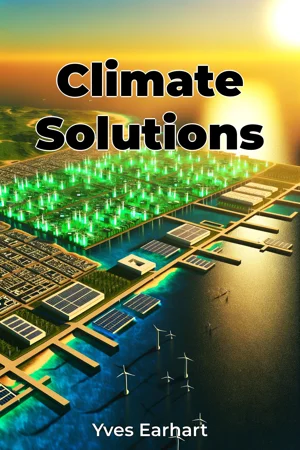
As the Earth's temperature continues to rise, one question looms large: Can humanity innovate its way out of the climate crisis? "Climate Solutions" delves deep into this critical inquiry, exploring the cutting-edge technologies and strategies being developed and implemented worldwide to combat climate change. The book focuses on three main topics: renewable energy, carbon capture and storage (CCS), and sustainable urban planning. These areas represent the forefront of climate action, offering promising pathways to reduce greenhouse gas emissions and adapt to a changing world. Understanding these solutions is crucial for policymakers, industry leaders, and concerned citizens alike, as they hold the key to preserving our planet's livability for future generations. To fully grasp the significance of these innovations, readers are provided with essential context on climate science, the global carbon cycle, and the history of human-induced climate change. This background sets the stage for comprehending the scale of the challenge and the urgency of implementing effective solutions. The central argument of "Climate Solutions" is that a multi-faceted, technology-driven approach, combined with policy changes and shifts in human behavior, is necessary to address the climate crisis effectively. The book contends that no single solution will suffice; instead, a coordinated effort across various sectors and technologies is required to achieve meaningful emissions reductions and climate resilience. The content is structured to guide readers through each major solution area. It begins by introducing the fundamental concepts of climate change mitigation and adaptation. The book then explores renewable energy technologies, including solar, wind, geothermal, and emerging sources like tidal and fusion power. Next, it examines carbon capture and storage methods, from direct air capture to enhanced weathering and bioenergy with carbon capture and storage (BECCS). The final section focuses on sustainable urban planning, covering topics such as green building design, smart city technologies, and urban reforestation initiatives. Throughout the book, the authors present a wealth of scientific data, case studies, and expert interviews to support their arguments. They draw from peer-reviewed research, government reports, and firsthand accounts of climate solutions in action. The book also features original data visualizations and infographics to help readers grasp complex concepts and statistics. "Climate Solutions" makes interdisciplinary connections between climate science, engineering, urban planning, economics, and public policy. By highlighting these intersections, the book demonstrates how climate solutions require collaboration across diverse fields and sectors. What sets this book apart is its comprehensive approach to climate solutions, offering a balanced view of both established and emerging technologies. It goes beyond simply describing these innovations to critically analyze their potential impacts, scalability, and limitations. The writing style is informative and accessible, striking a balance between technical accuracy and readability for a general audience. While rooted in scientific research, the book avoids excessive jargon, making it approachable for readers with varying levels of scientific background. "Climate Solutions" is primarily targeted at policymakers, business leaders, urban planners, and environmentally conscious citizens seeking a thorough understanding of climate change mitigation strategies. It will also appeal to students and researchers in environmental science, engineering, and related fields. As an environment and technology book, it adheres to the conventions of scientific non-fiction, presenting factual information supported by current research while also exploring the societal and economic implications of climate solutions. While the book provides a global perspective on climate solutions, it acknowledges that it cannot cover every potential technology or strategy. Instead, it focuses on the most promising and scalable solutions currently available or in advanced development. Readers will find practical applications throughout the book, from guidelines for implementing renewable energy systems to strategies for creating more sustainable urban environments. These actionable insights empower individuals and organizations to contribute to climate change mitigation efforts. "Climate Solutions" addresses ongoing debates in the field, such as the role of nuclear power in a low-carbon future and the potential risks and benefits of geoengineering. It presents multiple viewpoints on these controversial topics, allowing readers to form their own informed opinions. By providing a comprehensive overview of the most promising climate solutions, this book equips readers with the knowledge to understand and engage with one of the most pressing challenges of our time. It offers a clear-eyed view of the road ahead, balancing the enormity of the climate crisis with the inspiring potential of human innovation and determination.
As the Earth's temperature continues to rise, one question looms large: Can humanity innovate its way out of the climate crisis? "Climate Solutions" delves deep into this critical inquiry, exploring the cutting-edge technologies and strategies being developed and implemented worldwide to combat climate change. The book focuses on three main topics: renewable energy, carbon capture and storage (CCS), and sustainable urban planning. These areas represent the forefront of climate action, offering promising pathways to reduce greenhouse gas emissions and adapt to a changing world. Understanding these solutions is crucial for policymakers, industry leaders, and concerned citizens alike, as they hold the key to preserving our planet's livability for future generations. To fully grasp the significance of these innovations, readers are provided with essential context on climate science, the global carbon cycle, and the history of human-induced climate change. This background sets the stage for comprehending the scale of the challenge and the urgency of implementing effective solutions. The central argument of "Climate Solutions" is that a multi-faceted, technology-driven approach, combined with policy changes and shifts in human behavior, is necessary to address the climate crisis effectively. The book contends that no single solution will suffice; instead, a coordinated effort across various sectors and technologies is required to achieve meaningful emissions reductions and climate resilience. The content is structured to guide readers through each major solution area. It begins by introducing the fundamental concepts of climate change mitigation and adaptation. The book then explores renewable energy technologies, including solar, wind, geothermal, and emerging sources like tidal and fusion power. Next, it examines carbon capture and storage methods, from direct air capture to enhanced weathering and bioenergy with carbon capture and storage (BECCS). The final section focuses on sustainable urban planning, covering topics such as green building design, smart city technologies, and urban reforestation initiatives. Throughout the book, the authors present a wealth of scientific data, case studies, and expert interviews to support their arguments. They draw from peer-reviewed research, government reports, and firsthand accounts of climate solutions in action. The book also features original data visualizations and infographics to help readers grasp complex concepts and statistics. "Climate Solutions" makes interdisciplinary connections between climate science, engineering, urban planning, economics, and public policy. By highlighting these intersections, the book demonstrates how climate solutions require collaboration across diverse fields and sectors. What sets this book apart is its comprehensive approach to climate solutions, offering a balanced view of both established and emerging technologies. It goes beyond simply describing these innovations to critically analyze their potential impacts, scalability, and limitations. The writing style is informative and accessible, striking a balance between technical accuracy and readability for a general audience. While rooted in scientific research, the book avoids excessive jargon, making it approachable for readers with varying levels of scientific background. "Climate Solutions" is primarily targeted at policymakers, business leaders, urban planners, and environmentally conscious citizens seeking a thorough understanding of climate change mitigation strategies. It will also appeal to students and researchers in environmental science, engineering, and related fields. As an environment and technology book, it adheres to the conventions of scientific non-fiction, presenting factual information supported by current research while also exploring the societal and economic implications of climate solutions. While the book provides a global perspective on climate solutions, it acknowledges that it cannot cover every potential technology or strategy. Instead, it focuses on the most promising and scalable solutions currently available or in advanced development. Readers will find practical applications throughout the book, from guidelines for implementing renewable energy systems to strategies for creating more sustainable urban environments. These actionable insights empower individuals and organizations to contribute to climate change mitigation efforts. "Climate Solutions" addresses ongoing debates in the field, such as the role of nuclear power in a low-carbon future and the potential risks and benefits of geoengineering. It presents multiple viewpoints on these controversial topics, allowing readers to form their own informed opinions. By providing a comprehensive overview of the most promising climate solutions, this book equips readers with the knowledge to understand and engage with one of the most pressing challenges of our time. It offers a clear-eyed view of the road ahead, balancing the enormity of the climate crisis with the inspiring potential of human innovation and determination.
"Climate Solutions" explores cutting-edge technologies and strategies to combat climate change, focusing on renewable energy, carbon capture and storage, and sustainable urban planning. This comprehensive book argues that a multi-faceted, technology-driven approach, combined with policy changes and behavioral shifts, is crucial for addressing the climate crisis effectively. It provides essential context on climate science and the global carbon cycle, setting the stage for understanding the urgency of implementing innovative solutions. The book progresses through each major solution area, examining renewable energy technologies like solar and wind power, carbon capture methods such as direct air capture, and sustainable urban planning initiatives including green building design and smart city technologies. What sets "Climate Solutions" apart is its balanced view of established and emerging technologies, critically analyzing their potential impacts, scalability, and limitations. It presents scientific data, case studies, and expert interviews, supported by original data visualizations to help readers grasp complex concepts. Written in an accessible style for a general audience interested in environment and technology, the book makes interdisciplinary connections between climate science, engineering, urban planning, and public policy. It empowers readers with actionable insights and practical applications, from implementing renewable energy systems to creating more sustainable urban environments. By offering a comprehensive overview of promising climate solutions, this book equips policymakers, business leaders, and environmentally conscious citizens with the knowledge to tackle one of the most pressing challenges of our time.
Book Details
ISBN
9788233933050
Publisher
Publifye AS
Your Licenses
You don't own any licenses for this book
Purchase a license below to unlock this book and download the EPUB.
Purchase License
Select a tier to unlock this book
Need bulk licensing?
Contact us for enterprise agreements.