
About This Book
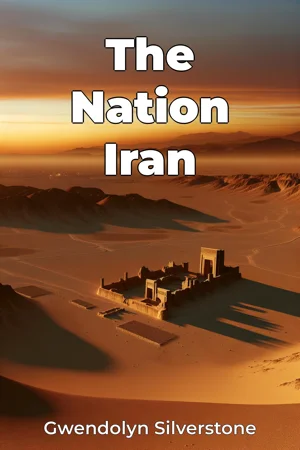
"The Nation Iran" opens with a provocative question: How has a land with over 2,500 years of recorded history shaped the geopolitical landscape of the Middle East and the world? This comprehensive exploration of Iran's past and present offers readers a deep dive into the complex tapestry of a nation that has been at the crossroads of empires, religions, and cultures for millennia. The book covers three main topics: the historical evolution of Iran from ancient Persia to the modern Islamic Republic, the cultural and social dynamics that have shaped Iranian identity, and the nation's role in contemporary global affairs. These themes are crucial for understanding not only Iran but also the broader Middle Eastern region and its impact on world politics. To provide context, the authors trace Iran's history from the Achaemenid Empire through the Islamic conquest, the Safavid dynasty, and into the modern era. This historical background is essential for grasping the intricate interplay between Iran's Persian heritage and its Islamic identity, a dynamic that continues to influence the nation's domestic and foreign policies. The central argument of "The Nation Iran" is that understanding Iran's historical continuity and cultural resilience is key to comprehending its current political stance and aspirations on the world stage. This thesis is particularly relevant given Iran's prominence in international news and its pivotal role in Middle Eastern geopolitics. The book is structured into four main parts. It begins with an overview of ancient Persia, highlighting the foundations of Iranian civilization. The second part examines the Islamic era and the development of Shi'a Islam as a dominant force in Iranian society. The third section focuses on Iran's modernization efforts in the 19th and 20th centuries, including the Constitutional Revolution and the reign of the Pahlavi dynasty. The final part analyzes the Islamic Revolution of 1979 and its aftermath, bringing the narrative up to the present day. To support its arguments, the book draws on a wide range of primary and secondary sources, including archaeological evidence, historical documents, and contemporary academic research. The authors also incorporate insights from Iranian scholars and policymakers, providing a nuanced perspective often missing from Western accounts. "The Nation Iran" makes interdisciplinary connections between history, political science, and religious studies. It explores how Iran's geological features have influenced its historical development, linking geography to political and cultural evolution. Additionally, it examines the impact of Iran's artistic and literary traditions on its national identity and international relations. The book's unique approach lies in its comprehensive timeline, which allows readers to trace the threads of continuity in Iranian history while also understanding the significant changes and ruptures that have occurred. This long-term perspective challenges simplistic narratives about Iran and offers a more nuanced understanding of its complexities. Written in an accessible academic style, "The Nation Iran" balances scholarly rigor with engaging prose, making it suitable for both academics and general readers interested in Middle Eastern history and international relations. The target audience includes students, policymakers, and anyone seeking a deeper understanding of Iran's role in the world. As a work of world history, the book adheres to the genre's conventions by providing a broad, sweeping narrative while also delving into specific events and personalities that have shaped Iran's trajectory. It maintains objectivity while acknowledging the ongoing debates surrounding Iran's history and current policies. The scope of "The Nation Iran" is ambitious, covering over two millennia of history. However, it focuses primarily on the most significant periods and events that have had lasting impacts on Iranian society and its relations with the outside world. Readers can apply the insights gained from this book to better understand current news about Iran, interpret its foreign policy decisions, and appreciate the cultural contributions of Iranian civilization to world heritage. The book also addresses ongoing controversies, such as the debate over Iran's nuclear program and its relationships with Western powers. By offering a comprehensive look at Iran's past and present, "The Nation Iran" provides readers with the tools to critically assess the nation's place in the modern world and to appreciate the rich tapestry of its history and culture.
"The Nation Iran" opens with a provocative question: How has a land with over 2,500 years of recorded history shaped the geopolitical landscape of the Middle East and the world? This comprehensive exploration of Iran's past and present offers readers a deep dive into the complex tapestry of a nation that has been at the crossroads of empires, religions, and cultures for millennia. The book covers three main topics: the historical evolution of Iran from ancient Persia to the modern Islamic Republic, the cultural and social dynamics that have shaped Iranian identity, and the nation's role in contemporary global affairs. These themes are crucial for understanding not only Iran but also the broader Middle Eastern region and its impact on world politics. To provide context, the authors trace Iran's history from the Achaemenid Empire through the Islamic conquest, the Safavid dynasty, and into the modern era. This historical background is essential for grasping the intricate interplay between Iran's Persian heritage and its Islamic identity, a dynamic that continues to influence the nation's domestic and foreign policies. The central argument of "The Nation Iran" is that understanding Iran's historical continuity and cultural resilience is key to comprehending its current political stance and aspirations on the world stage. This thesis is particularly relevant given Iran's prominence in international news and its pivotal role in Middle Eastern geopolitics. The book is structured into four main parts. It begins with an overview of ancient Persia, highlighting the foundations of Iranian civilization. The second part examines the Islamic era and the development of Shi'a Islam as a dominant force in Iranian society. The third section focuses on Iran's modernization efforts in the 19th and 20th centuries, including the Constitutional Revolution and the reign of the Pahlavi dynasty. The final part analyzes the Islamic Revolution of 1979 and its aftermath, bringing the narrative up to the present day. To support its arguments, the book draws on a wide range of primary and secondary sources, including archaeological evidence, historical documents, and contemporary academic research. The authors also incorporate insights from Iranian scholars and policymakers, providing a nuanced perspective often missing from Western accounts. "The Nation Iran" makes interdisciplinary connections between history, political science, and religious studies. It explores how Iran's geological features have influenced its historical development, linking geography to political and cultural evolution. Additionally, it examines the impact of Iran's artistic and literary traditions on its national identity and international relations. The book's unique approach lies in its comprehensive timeline, which allows readers to trace the threads of continuity in Iranian history while also understanding the significant changes and ruptures that have occurred. This long-term perspective challenges simplistic narratives about Iran and offers a more nuanced understanding of its complexities. Written in an accessible academic style, "The Nation Iran" balances scholarly rigor with engaging prose, making it suitable for both academics and general readers interested in Middle Eastern history and international relations. The target audience includes students, policymakers, and anyone seeking a deeper understanding of Iran's role in the world. As a work of world history, the book adheres to the genre's conventions by providing a broad, sweeping narrative while also delving into specific events and personalities that have shaped Iran's trajectory. It maintains objectivity while acknowledging the ongoing debates surrounding Iran's history and current policies. The scope of "The Nation Iran" is ambitious, covering over two millennia of history. However, it focuses primarily on the most significant periods and events that have had lasting impacts on Iranian society and its relations with the outside world. Readers can apply the insights gained from this book to better understand current news about Iran, interpret its foreign policy decisions, and appreciate the cultural contributions of Iranian civilization to world heritage. The book also addresses ongoing controversies, such as the debate over Iran's nuclear program and its relationships with Western powers. By offering a comprehensive look at Iran's past and present, "The Nation Iran" provides readers with the tools to critically assess the nation's place in the modern world and to appreciate the rich tapestry of its history and culture.
"The Nation Iran" offers a comprehensive exploration of Iran's 2,500-year history and its impact on Middle Eastern and global geopolitics. This engaging book delves into the complex tapestry of Iranian civilization, tracing its evolution from ancient Persia to the modern Islamic Republic. The authors argue that understanding Iran's historical continuity and cultural resilience is crucial for comprehending its current political stance and global aspirations. The book is structured in four parts, covering ancient Persia, the Islamic era, modernization efforts, and the 1979 Islamic Revolution and its aftermath. It examines the interplay between Iran's Persian heritage and Islamic identity, highlighting how these factors have shaped the nation's domestic and foreign policies. By incorporating insights from Iranian scholars and policymakers, the book offers a nuanced perspective often missing from Western accounts. "The Nation Iran" stands out for its comprehensive timeline and interdisciplinary approach, connecting history, political science, and religious studies. It challenges simplistic narratives about Iran, providing readers with a deeper understanding of its complexities and ongoing controversies. This accessible yet scholarly work is invaluable for anyone seeking to grasp Iran's pivotal role in Middle Eastern geopolitics and its rich contributions to world heritage.
Book Details
ISBN
9788233933043
Publisher
Publifye AS
Your Licenses
You don't own any licenses for this book
Purchase a license below to unlock this book and download the EPUB.
Purchase License
Select a tier to unlock this book
Need bulk licensing?
Contact us for enterprise agreements.