
About This Book
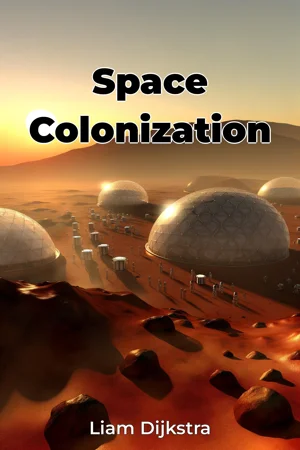
"Space Colonization" opens with a provocative question: "Is Earth humanity's only home, or are we destined to become a multi-planet species?" This book examines the scientific, technological, and logistical challenges of establishing human settlements beyond Earth, with a particular focus on potential locations like Mars and the Moon. It explores the long-term implications of space colonization for humanity's future and survival. The book covers three main topics: the rationale for space colonization, the technical challenges involved, and the potential societal impacts. These topics are crucial for understanding both the necessity and feasibility of expanding human presence beyond Earth. As climate change, resource depletion, and overpopulation continue to threaten Earth's habitability, the concept of space colonization becomes increasingly relevant to ensuring the long-term survival of our species. To provide context, the book begins with a historical overview of space exploration, from the first satellite launches to current plans for crewed missions to Mars. It explains key concepts in astronomy, physics, and space technology that readers will need to understand the challenges of space colonization. The central argument of "Space Colonization" is that establishing permanent human settlements on other celestial bodies is not only possible but necessary for the long-term survival and advancement of our species. The book contends that the technologies and knowledge gained from these efforts will have far-reaching benefits for life on Earth as well. The content is structured into four main sections. The first introduces the concept of space colonization and its potential benefits. The second delves into the technical challenges, including life support systems, radiation protection, and resource utilization. The third section explores potential locations for colonization, with in-depth analyses of Mars, the Moon, and other candidates like asteroids or space stations. The final section examines the long-term implications of becoming a spacefaring civilization, including philosophical and ethical considerations. To support its arguments, the book draws on a wide range of scientific research, including NASA and ESA studies, academic papers, and interviews with experts in fields such as aerospace engineering, astrobiology, and space medicine. It also incorporates data from current and planned space missions, providing up-to-date insights into the state of space exploration. "Space Colonization" connects multiple disciplines, including astronomy, biology, engineering, and environmental science. It explores how advancements in these fields contribute to the feasibility of space colonization and how space research, in turn, drives innovation in these areas. The book takes a unique approach by combining rigorous scientific analysis with speculative yet grounded projections of future technologies and societal developments. It balances technical details with broader philosophical and ethical discussions, making complex concepts accessible to a general audience while still providing depth for more knowledgeable readers. Written in a clear, engaging style that blends academic rigor with narrative elements, "Space Colonization" is aimed at a broad audience of science enthusiasts, students, and professionals interested in space exploration and the future of humanity. It appeals to readers who enjoy thought-provoking, fact-based explorations of cutting-edge science and technology. As a work of technology and science non-fiction, the book adheres to scientific accuracy while presenting information in an accessible manner. It includes diagrams, illustrations, and data visualizations to help readers grasp complex concepts. While comprehensive in its coverage of space colonization, the book acknowledges its limitations, focusing primarily on near-term possibilities within our solar system rather than speculating on far-future scenarios or interstellar travel. The practical applications of the information presented are numerous. Readers will gain insights into emerging space technologies, understand the challenges of long-duration space missions, and learn about potential solutions to Earth-based problems through space research. "Space Colonization" addresses ongoing debates in the field, such as the ethics of terraforming other planets and the allocation of resources between space exploration and solving terrestrial problems. It presents multiple viewpoints on these issues, encouraging readers to form their own informed opinions. By providing a comprehensive examination of the challenges and opportunities of space colonization, this book offers readers a solid foundation for understanding one of the most ambitious and consequential endeavors in human history.
"Space Colonization" opens with a provocative question: "Is Earth humanity's only home, or are we destined to become a multi-planet species?" This book examines the scientific, technological, and logistical challenges of establishing human settlements beyond Earth, with a particular focus on potential locations like Mars and the Moon. It explores the long-term implications of space colonization for humanity's future and survival. The book covers three main topics: the rationale for space colonization, the technical challenges involved, and the potential societal impacts. These topics are crucial for understanding both the necessity and feasibility of expanding human presence beyond Earth. As climate change, resource depletion, and overpopulation continue to threaten Earth's habitability, the concept of space colonization becomes increasingly relevant to ensuring the long-term survival of our species. To provide context, the book begins with a historical overview of space exploration, from the first satellite launches to current plans for crewed missions to Mars. It explains key concepts in astronomy, physics, and space technology that readers will need to understand the challenges of space colonization. The central argument of "Space Colonization" is that establishing permanent human settlements on other celestial bodies is not only possible but necessary for the long-term survival and advancement of our species. The book contends that the technologies and knowledge gained from these efforts will have far-reaching benefits for life on Earth as well. The content is structured into four main sections. The first introduces the concept of space colonization and its potential benefits. The second delves into the technical challenges, including life support systems, radiation protection, and resource utilization. The third section explores potential locations for colonization, with in-depth analyses of Mars, the Moon, and other candidates like asteroids or space stations. The final section examines the long-term implications of becoming a spacefaring civilization, including philosophical and ethical considerations. To support its arguments, the book draws on a wide range of scientific research, including NASA and ESA studies, academic papers, and interviews with experts in fields such as aerospace engineering, astrobiology, and space medicine. It also incorporates data from current and planned space missions, providing up-to-date insights into the state of space exploration. "Space Colonization" connects multiple disciplines, including astronomy, biology, engineering, and environmental science. It explores how advancements in these fields contribute to the feasibility of space colonization and how space research, in turn, drives innovation in these areas. The book takes a unique approach by combining rigorous scientific analysis with speculative yet grounded projections of future technologies and societal developments. It balances technical details with broader philosophical and ethical discussions, making complex concepts accessible to a general audience while still providing depth for more knowledgeable readers. Written in a clear, engaging style that blends academic rigor with narrative elements, "Space Colonization" is aimed at a broad audience of science enthusiasts, students, and professionals interested in space exploration and the future of humanity. It appeals to readers who enjoy thought-provoking, fact-based explorations of cutting-edge science and technology. As a work of technology and science non-fiction, the book adheres to scientific accuracy while presenting information in an accessible manner. It includes diagrams, illustrations, and data visualizations to help readers grasp complex concepts. While comprehensive in its coverage of space colonization, the book acknowledges its limitations, focusing primarily on near-term possibilities within our solar system rather than speculating on far-future scenarios or interstellar travel. The practical applications of the information presented are numerous. Readers will gain insights into emerging space technologies, understand the challenges of long-duration space missions, and learn about potential solutions to Earth-based problems through space research. "Space Colonization" addresses ongoing debates in the field, such as the ethics of terraforming other planets and the allocation of resources between space exploration and solving terrestrial problems. It presents multiple viewpoints on these issues, encouraging readers to form their own informed opinions. By providing a comprehensive examination of the challenges and opportunities of space colonization, this book offers readers a solid foundation for understanding one of the most ambitious and consequential endeavors in human history.
"Space Colonization" explores the ambitious concept of establishing human settlements beyond Earth, focusing on potential locations like Mars and the Moon. This thought-provoking book examines the scientific, technological, and logistical challenges of space colonization, as well as its long-term implications for humanity's future and survival. The authors argue that expanding our presence to other celestial bodies is not only possible but necessary for the long-term survival and advancement of our species. Structured in four main sections, the book progresses from introducing the concept and its potential benefits to delving into technical challenges such as life support systems and radiation protection. It then explores potential colonization sites and examines the long-term implications of becoming a spacefaring civilization. The book uniquely combines rigorous scientific analysis with grounded projections of future technologies, balancing technical details with broader philosophical discussions. Drawing on a wide range of scientific research and current space mission data, "Space Colonization" connects multiple disciplines, including astronomy, biology, and engineering. It offers readers insights into emerging space technologies and potential solutions to Earth-based problems through space research, making it a valuable resource for science enthusiasts and professionals interested in the future of humanity beyond our home planet.
Book Details
ISBN
9788233932992
Publisher
Publifye AS
Your Licenses
You don't own any licenses for this book
Purchase a license below to unlock this book and download the EPUB.
Purchase License
Select a tier to unlock this book
Need bulk licensing?
Contact us for enterprise agreements.