
About This Book
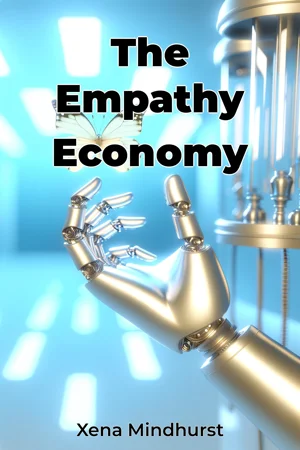
"In a world increasingly driven by technology and data, why are distinctly human qualities like empathy and emotional intelligence becoming the new currency of success?" This compelling question sets the stage for "The Empathy Economy," a groundbreaking exploration of how these soft skills are reshaping the landscape of business and society. The book delves into three main topics: the rising importance of emotional intelligence in professional settings, the role of empathy in driving innovation and customer satisfaction, and the impact of these skills on effective leadership. These topics are crucial in today's rapidly evolving business environment, where human connection and understanding are becoming key differentiators in a crowded marketplace. To provide context, the book traces the historical emphasis on IQ and technical skills in business, contrasting it with the growing recognition of EQ (Emotional Quotient) in recent decades. It examines how globalization, technological advancements, and changing consumer expectations have elevated the importance of emotional intelligence and empathy in various industries. The central argument of "The Empathy Economy" is that businesses and individuals who cultivate and leverage emotional intelligence and empathy will have a significant competitive advantage in the 21st century. This thesis is supported by a wealth of research from psychology, neuroscience, and business studies, demonstrating the tangible benefits of these skills in areas such as team performance, customer loyalty, and innovation. The book is structured to guide readers through a comprehensive understanding of the empathy economy. It begins by introducing the concepts of emotional intelligence and empathy, then explores their applications in business settings. The core chapters focus on three major areas: enhancing leadership effectiveness through empathy, revolutionizing customer service with emotional intelligence, and fostering innovation through empathetic design thinking. The book culminates in a discussion of practical strategies for developing these crucial skills and implementing them in various professional contexts. To support its arguments, "The Empathy Economy" draws on a diverse range of evidence, including case studies from leading companies, psychological experiments, neuroimaging studies, and large-scale surveys of business leaders and employees. The book also features original research conducted by the author, including interviews with CEOs and innovators who have successfully leveraged emotional intelligence in their organizations. Interdisciplinary connections are a key strength of the book. It bridges insights from psychology and neuroscience with practical business applications, while also touching on sociology to examine the broader societal implications of the empathy economy. Additionally, it explores connections with technology, discussing how AI and automation are paradoxically increasing the value of human empathy. What sets "The Empathy Economy" apart is its holistic approach to the subject. Rather than treating emotional intelligence as a standalone skill, it presents it as an essential component of business strategy, integrated into every aspect of organizational functioning. The book also offers a unique perspective on innovation, arguing that empathy is the key to creating truly transformative products and services. Written in an engaging, narrative non-fiction style, the book balances academic rigor with accessible language and compelling storytelling. This approach makes complex concepts understandable to a wide audience, from business leaders and entrepreneurs to educators and policymakers. The book is particularly relevant for managers, executives, and business students, but its insights are valuable for anyone interested in personal and professional development. It speaks to the growing desire for more humanistic approaches to business and offers practical guidance for thriving in an increasingly interconnected world. In line with management and business literature conventions, "The Empathy Economy" includes practical frameworks, assessment tools, and exercises to help readers apply the concepts in their own lives and organizations. It also features "empathy in action" sidebars, highlighting real-world examples of successful empathy-driven initiatives. While the book focuses primarily on business applications, it acknowledges the broader societal implications of the empathy economy, touching on its potential impact on education, healthcare, and public policy. However, it maintains a clear scope, centering on professional and organizational contexts. "The Empathy Economy" addresses ongoing debates about the role of soft skills in business success and the balance between technological advancement and human-centered approaches. It presents a compelling case for why emotional intelligence and empathy are not just "nice to have" but essential for future success in an increasingly complex and interconnected global economy.
"In a world increasingly driven by technology and data, why are distinctly human qualities like empathy and emotional intelligence becoming the new currency of success?" This compelling question sets the stage for "The Empathy Economy," a groundbreaking exploration of how these soft skills are reshaping the landscape of business and society. The book delves into three main topics: the rising importance of emotional intelligence in professional settings, the role of empathy in driving innovation and customer satisfaction, and the impact of these skills on effective leadership. These topics are crucial in today's rapidly evolving business environment, where human connection and understanding are becoming key differentiators in a crowded marketplace. To provide context, the book traces the historical emphasis on IQ and technical skills in business, contrasting it with the growing recognition of EQ (Emotional Quotient) in recent decades. It examines how globalization, technological advancements, and changing consumer expectations have elevated the importance of emotional intelligence and empathy in various industries. The central argument of "The Empathy Economy" is that businesses and individuals who cultivate and leverage emotional intelligence and empathy will have a significant competitive advantage in the 21st century. This thesis is supported by a wealth of research from psychology, neuroscience, and business studies, demonstrating the tangible benefits of these skills in areas such as team performance, customer loyalty, and innovation. The book is structured to guide readers through a comprehensive understanding of the empathy economy. It begins by introducing the concepts of emotional intelligence and empathy, then explores their applications in business settings. The core chapters focus on three major areas: enhancing leadership effectiveness through empathy, revolutionizing customer service with emotional intelligence, and fostering innovation through empathetic design thinking. The book culminates in a discussion of practical strategies for developing these crucial skills and implementing them in various professional contexts. To support its arguments, "The Empathy Economy" draws on a diverse range of evidence, including case studies from leading companies, psychological experiments, neuroimaging studies, and large-scale surveys of business leaders and employees. The book also features original research conducted by the author, including interviews with CEOs and innovators who have successfully leveraged emotional intelligence in their organizations. Interdisciplinary connections are a key strength of the book. It bridges insights from psychology and neuroscience with practical business applications, while also touching on sociology to examine the broader societal implications of the empathy economy. Additionally, it explores connections with technology, discussing how AI and automation are paradoxically increasing the value of human empathy. What sets "The Empathy Economy" apart is its holistic approach to the subject. Rather than treating emotional intelligence as a standalone skill, it presents it as an essential component of business strategy, integrated into every aspect of organizational functioning. The book also offers a unique perspective on innovation, arguing that empathy is the key to creating truly transformative products and services. Written in an engaging, narrative non-fiction style, the book balances academic rigor with accessible language and compelling storytelling. This approach makes complex concepts understandable to a wide audience, from business leaders and entrepreneurs to educators and policymakers. The book is particularly relevant for managers, executives, and business students, but its insights are valuable for anyone interested in personal and professional development. It speaks to the growing desire for more humanistic approaches to business and offers practical guidance for thriving in an increasingly interconnected world. In line with management and business literature conventions, "The Empathy Economy" includes practical frameworks, assessment tools, and exercises to help readers apply the concepts in their own lives and organizations. It also features "empathy in action" sidebars, highlighting real-world examples of successful empathy-driven initiatives. While the book focuses primarily on business applications, it acknowledges the broader societal implications of the empathy economy, touching on its potential impact on education, healthcare, and public policy. However, it maintains a clear scope, centering on professional and organizational contexts. "The Empathy Economy" addresses ongoing debates about the role of soft skills in business success and the balance between technological advancement and human-centered approaches. It presents a compelling case for why emotional intelligence and empathy are not just "nice to have" but essential for future success in an increasingly complex and interconnected global economy.
"The Empathy Economy" explores the rising importance of emotional intelligence and empathy in today's business world. This groundbreaking book argues that these soft skills are becoming crucial for success in an increasingly technology-driven environment. The author presents a compelling case for why businesses and individuals who cultivate emotional intelligence will have a significant competitive advantage in the 21st century. The book delves into three main areas: enhancing leadership effectiveness, revolutionizing customer service, and fostering innovation through empathetic design thinking. Drawing on research from psychology, neuroscience, and business studies, it demonstrates the tangible benefits of emotional intelligence in team performance, customer loyalty, and innovation. What sets this book apart is its holistic approach, presenting emotional intelligence as an essential component of business strategy integrated into every aspect of organizational functioning. Structured to guide readers through a comprehensive understanding of the empathy economy, the book progresses from introducing key concepts to exploring their practical applications in various professional contexts. It offers a blend of academic rigor and accessible language, making complex ideas understandable to a wide audience. With its engaging narrative style and practical frameworks, "The Empathy Economy" provides valuable insights for anyone interested in thriving in our interconnected world.
Book Details
ISBN
9788233932909
Publisher
Publifye AS
Your Licenses
You don't own any licenses for this book
Purchase a license below to unlock this book and download the EPUB.
Purchase License
Select a tier to unlock this book
Need bulk licensing?
Contact us for enterprise agreements.