
About This Book
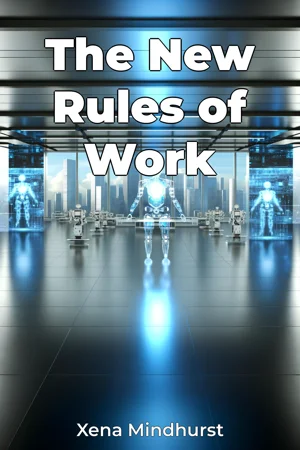
"The New Rules of Work" challenges readers with a provocative question: Is the traditional 9-to-5 office job becoming obsolete? This groundbreaking book explores the rapidly evolving landscape of work in the 21st century, offering a comprehensive analysis of emerging trends and their far-reaching implications for individuals, businesses, and society at large. At its core, the book examines three pivotal topics: the rise of remote work, the push for alternative work schedules like the four-day workweek, and the potential impact of universal basic income. These concepts are not merely passing fads but represent fundamental shifts in how we perceive and engage with work. Understanding these changes is crucial for anyone looking to navigate the future job market successfully. To provide context, the book traces the historical evolution of work from the industrial revolution to the digital age. It examines how technological advancements, globalization, and changing social attitudes have shaped our current work paradigms. This background sets the stage for understanding why traditional work models are being challenged and reimagined. The central argument of "The New Rules of Work" is that the nature of work is undergoing a profound transformation, driven by technological innovation, changing workforce demographics, and a growing emphasis on work-life balance. The book posits that embracing these changes can lead to increased productivity, improved employee satisfaction, and more sustainable business models. Structured in three main parts, the book first introduces the key concepts of remote work, alternative schedules, and universal basic income. The second section delves deeper into each topic, exploring their benefits, challenges, and potential implementations. The final part examines the practical implications of these changes, offering guidance on how individuals and organizations can adapt and thrive in this new work environment. To support its arguments, the book draws on a wealth of research, including case studies from companies that have successfully implemented new work models, economic analyses of universal basic income experiments, and psychological studies on work-life balance and productivity. It also incorporates data from global surveys on changing work preferences and projections from leading futurists and economists. "The New Rules of Work" makes important connections to fields such as psychology, economics, and technology. It explores how remote work intersects with mental health and well-being, examines the economic implications of shorter work weeks, and discusses how automation and artificial intelligence are reshaping job roles across industries. What sets this book apart is its holistic approach to the future of work. Rather than focusing solely on technological disruptions, it considers the human element, exploring how these changes affect personal fulfillment, family dynamics, and societal structures. The book strikes a balance between optimism for the possibilities these changes bring and a pragmatic assessment of the challenges they pose. Written in an accessible yet authoritative tone, "The New Rules of Work" combines academic rigor with real-world applicability. It uses a mix of data-driven analysis, expert insights, and relatable anecdotes to engage readers and illustrate complex concepts. The book is aimed at a broad audience, including business leaders, policymakers, and individuals at all career stages. It offers valuable insights for those looking to future-proof their careers, managers adapting to new work models, and entrepreneurs seeking to build innovative, people-centric businesses. As a career guide and business book, it provides practical strategies for implementing flexible work arrangements, managing remote teams, and preparing for potential economic shifts. It also addresses common concerns and misconceptions about new work models, offering evidence-based rebuttals. While the book covers a wide range of topics related to the future of work, it acknowledges that it cannot predict every possible outcome. Instead, it focuses on equipping readers with the knowledge and tools to adapt to various scenarios. "The New Rules of Work" doesn't shy away from controversies, addressing debates surrounding the feasibility of universal basic income, the potential downsides of remote work, and the ethical implications of increased automation. It presents multiple viewpoints, encouraging readers to think critically about these complex issues. By the end of the book, readers will have a comprehensive understanding of the forces shaping the future of work and practical strategies for thriving in this new landscape. Whether you're a recent graduate entering the workforce, a mid-career professional looking to adapt, or a business leader planning for the future, "The New Rules of Work" provides invaluable insights for navigating the changing world of work.
"The New Rules of Work" challenges readers with a provocative question: Is the traditional 9-to-5 office job becoming obsolete? This groundbreaking book explores the rapidly evolving landscape of work in the 21st century, offering a comprehensive analysis of emerging trends and their far-reaching implications for individuals, businesses, and society at large. At its core, the book examines three pivotal topics: the rise of remote work, the push for alternative work schedules like the four-day workweek, and the potential impact of universal basic income. These concepts are not merely passing fads but represent fundamental shifts in how we perceive and engage with work. Understanding these changes is crucial for anyone looking to navigate the future job market successfully. To provide context, the book traces the historical evolution of work from the industrial revolution to the digital age. It examines how technological advancements, globalization, and changing social attitudes have shaped our current work paradigms. This background sets the stage for understanding why traditional work models are being challenged and reimagined. The central argument of "The New Rules of Work" is that the nature of work is undergoing a profound transformation, driven by technological innovation, changing workforce demographics, and a growing emphasis on work-life balance. The book posits that embracing these changes can lead to increased productivity, improved employee satisfaction, and more sustainable business models. Structured in three main parts, the book first introduces the key concepts of remote work, alternative schedules, and universal basic income. The second section delves deeper into each topic, exploring their benefits, challenges, and potential implementations. The final part examines the practical implications of these changes, offering guidance on how individuals and organizations can adapt and thrive in this new work environment. To support its arguments, the book draws on a wealth of research, including case studies from companies that have successfully implemented new work models, economic analyses of universal basic income experiments, and psychological studies on work-life balance and productivity. It also incorporates data from global surveys on changing work preferences and projections from leading futurists and economists. "The New Rules of Work" makes important connections to fields such as psychology, economics, and technology. It explores how remote work intersects with mental health and well-being, examines the economic implications of shorter work weeks, and discusses how automation and artificial intelligence are reshaping job roles across industries. What sets this book apart is its holistic approach to the future of work. Rather than focusing solely on technological disruptions, it considers the human element, exploring how these changes affect personal fulfillment, family dynamics, and societal structures. The book strikes a balance between optimism for the possibilities these changes bring and a pragmatic assessment of the challenges they pose. Written in an accessible yet authoritative tone, "The New Rules of Work" combines academic rigor with real-world applicability. It uses a mix of data-driven analysis, expert insights, and relatable anecdotes to engage readers and illustrate complex concepts. The book is aimed at a broad audience, including business leaders, policymakers, and individuals at all career stages. It offers valuable insights for those looking to future-proof their careers, managers adapting to new work models, and entrepreneurs seeking to build innovative, people-centric businesses. As a career guide and business book, it provides practical strategies for implementing flexible work arrangements, managing remote teams, and preparing for potential economic shifts. It also addresses common concerns and misconceptions about new work models, offering evidence-based rebuttals. While the book covers a wide range of topics related to the future of work, it acknowledges that it cannot predict every possible outcome. Instead, it focuses on equipping readers with the knowledge and tools to adapt to various scenarios. "The New Rules of Work" doesn't shy away from controversies, addressing debates surrounding the feasibility of universal basic income, the potential downsides of remote work, and the ethical implications of increased automation. It presents multiple viewpoints, encouraging readers to think critically about these complex issues. By the end of the book, readers will have a comprehensive understanding of the forces shaping the future of work and practical strategies for thriving in this new landscape. Whether you're a recent graduate entering the workforce, a mid-career professional looking to adapt, or a business leader planning for the future, "The New Rules of Work" provides invaluable insights for navigating the changing world of work.
"The New Rules of Work" explores the transformative landscape of 21st-century employment, challenging the traditional 9-to-5 office paradigm. This insightful book examines three pivotal trends reshaping our work lives: remote work, alternative schedules like the four-day workweek, and universal basic income. By tracing the evolution of work from the industrial revolution to the digital age, it provides context for understanding why conventional work models are being reimagined. The book argues that embracing these changes can lead to increased productivity, improved employee satisfaction, and more sustainable business practices. It draws on a wealth of research, including case studies of companies successfully implementing new work models and economic analyses of universal basic income experiments. What sets this guide apart is its holistic approach, considering not just technological disruptions but also the human element, exploring how these changes affect personal fulfillment and societal structures. Structured in three parts, "The New Rules of Work" introduces key concepts, explores their implications, and offers practical guidance for individuals and organizations to adapt. It combines academic rigor with real-world applicability, using data-driven analysis and relatable anecdotes to engage readers across various career stages. By addressing controversies and providing strategies for thriving in this new landscape, the book equips readers to navigate the future of work confidently.
Book Details
ISBN
9788233932886
Publisher
Publifye AS
Your Licenses
You don't own any licenses for this book
Purchase a license below to unlock this book and download the EPUB.
Purchase License
Select a tier to unlock this book
Need bulk licensing?
Contact us for enterprise agreements.