
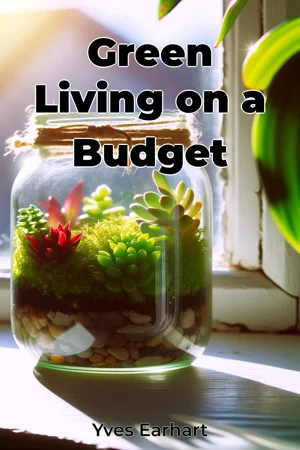
About This Book
"Can living an eco-friendly lifestyle truly be affordable?" This question opens the door to "Green Living on a Budget," a comprehensive guide that challenges the notion that sustainability is a luxury reserved for the wealthy. This book offers a practical roadmap for individuals seeking to reduce their environmental impact without straining their finances, proving that small, budget-friendly changes can lead to significant positive outcomes for both personal well-being and the planet. The book covers three main topics: sustainable home practices, affordable clean energy options, and budget-friendly plant-based eating. These areas are crucial as they represent the most impactful yet often overlooked aspects of daily life where individuals can make meaningful environmental changes. By focusing on these key areas, readers can learn to significantly reduce their carbon footprint while simultaneously improving their quality of life and saving money. To provide context, the book delves into the historical development of consumer culture and its environmental consequences. It explores how the perception of eco-friendly living as expensive has evolved, and why this misconception persists. This background helps readers understand the importance of accessible sustainability and the potential for widespread positive change if eco-friendly practices become more mainstream. The central argument of "Green Living on a Budget" is that adopting an environmentally conscious lifestyle is not only affordable but can lead to significant cost savings over time. This thesis is vital as it addresses one of the primary barriers preventing many from embracing sustainable practices – the perceived high cost. The book is structured to guide readers through a gradual transformation of their lifestyle. It begins by introducing foundational concepts of sustainability and personal finance. The subsequent chapters focus on practical applications in the home, energy consumption, and diet. The book culminates in a section on low-waste living, tying together the previous concepts and demonstrating how they contribute to an overall reduction in environmental impact. To support its arguments, the book draws on a wide range of evidence, including academic studies, government reports, and case studies of individuals and communities successfully implementing budget-friendly green practices. It also incorporates original research, including surveys and interviews with sustainability experts and financial advisors. "Green Living on a Budget" makes interdisciplinary connections between environmental science, economics, and psychology. It explores how sustainable choices impact personal finances, and how understanding human behavior can lead to more effective implementation of eco-friendly practices. These connections provide a holistic view of sustainability, emphasizing its relevance across various aspects of life. What sets this book apart is its unique approach of combining practical sustainability tips with sound financial advice. It challenges the reader to rethink their relationship with consumption and offers innovative solutions that benefit both the individual and the environment. Written in an accessible, conversational style, the book avoids jargon and presents complex ideas in easy-to-understand language. It maintains a positive, encouraging tone throughout, motivating readers to take action rather than feeling overwhelmed by environmental challenges. The target audience includes budget-conscious individuals, young adults starting their independent lives, families looking to reduce expenses, and anyone interested in sustainability but deterred by perceived costs. The book appeals to this diverse readership by offering adaptable strategies suitable for various life stages and financial situations. As a work in the personal growth and environmental genres, the book includes self-reflection exercises, practical checklists, and actionable steps at the end of each chapter. It also addresses the psychological aspects of lifestyle changes, offering strategies to overcome habits and mindsets that hinder sustainable living. While comprehensive in its coverage of everyday sustainable practices, the book acknowledges its limitations in addressing larger systemic issues. It focuses on individual and household-level changes, recognizing these as important starting points for broader societal shifts. The real-world applications presented in the book range from simple changes like switching to energy-efficient light bulbs to more involved projects like starting a home garden or transitioning to a plant-based diet. Each suggestion is accompanied by a cost-benefit analysis, helping readers prioritize changes based on their personal circumstances. Finally, the book addresses ongoing debates in the sustainability field, such as the effectiveness of individual actions versus policy changes, and the balance between reducing consumption and supporting eco-friendly products. By presenting various perspectives, it encourages readers to think critically about their choices and their place in the larger environmental movement. "Green Living on a Budget" stands as a testament to the idea that everyone can contribute to environmental preservation, regardless of their financial situation. It empowers readers with knowledge and practical tools, paving the way for a more sustainable and economically savvy future.
"Can living an eco-friendly lifestyle truly be affordable?" This question opens the door to "Green Living on a Budget," a comprehensive guide that challenges the notion that sustainability is a luxury reserved for the wealthy. This book offers a practical roadmap for individuals seeking to reduce their environmental impact without straining their finances, proving that small, budget-friendly changes can lead to significant positive outcomes for both personal well-being and the planet. The book covers three main topics: sustainable home practices, affordable clean energy options, and budget-friendly plant-based eating. These areas are crucial as they represent the most impactful yet often overlooked aspects of daily life where individuals can make meaningful environmental changes. By focusing on these key areas, readers can learn to significantly reduce their carbon footprint while simultaneously improving their quality of life and saving money. To provide context, the book delves into the historical development of consumer culture and its environmental consequences. It explores how the perception of eco-friendly living as expensive has evolved, and why this misconception persists. This background helps readers understand the importance of accessible sustainability and the potential for widespread positive change if eco-friendly practices become more mainstream. The central argument of "Green Living on a Budget" is that adopting an environmentally conscious lifestyle is not only affordable but can lead to significant cost savings over time. This thesis is vital as it addresses one of the primary barriers preventing many from embracing sustainable practices – the perceived high cost. The book is structured to guide readers through a gradual transformation of their lifestyle. It begins by introducing foundational concepts of sustainability and personal finance. The subsequent chapters focus on practical applications in the home, energy consumption, and diet. The book culminates in a section on low-waste living, tying together the previous concepts and demonstrating how they contribute to an overall reduction in environmental impact. To support its arguments, the book draws on a wide range of evidence, including academic studies, government reports, and case studies of individuals and communities successfully implementing budget-friendly green practices. It also incorporates original research, including surveys and interviews with sustainability experts and financial advisors. "Green Living on a Budget" makes interdisciplinary connections between environmental science, economics, and psychology. It explores how sustainable choices impact personal finances, and how understanding human behavior can lead to more effective implementation of eco-friendly practices. These connections provide a holistic view of sustainability, emphasizing its relevance across various aspects of life. What sets this book apart is its unique approach of combining practical sustainability tips with sound financial advice. It challenges the reader to rethink their relationship with consumption and offers innovative solutions that benefit both the individual and the environment. Written in an accessible, conversational style, the book avoids jargon and presents complex ideas in easy-to-understand language. It maintains a positive, encouraging tone throughout, motivating readers to take action rather than feeling overwhelmed by environmental challenges. The target audience includes budget-conscious individuals, young adults starting their independent lives, families looking to reduce expenses, and anyone interested in sustainability but deterred by perceived costs. The book appeals to this diverse readership by offering adaptable strategies suitable for various life stages and financial situations. As a work in the personal growth and environmental genres, the book includes self-reflection exercises, practical checklists, and actionable steps at the end of each chapter. It also addresses the psychological aspects of lifestyle changes, offering strategies to overcome habits and mindsets that hinder sustainable living. While comprehensive in its coverage of everyday sustainable practices, the book acknowledges its limitations in addressing larger systemic issues. It focuses on individual and household-level changes, recognizing these as important starting points for broader societal shifts. The real-world applications presented in the book range from simple changes like switching to energy-efficient light bulbs to more involved projects like starting a home garden or transitioning to a plant-based diet. Each suggestion is accompanied by a cost-benefit analysis, helping readers prioritize changes based on their personal circumstances. Finally, the book addresses ongoing debates in the sustainability field, such as the effectiveness of individual actions versus policy changes, and the balance between reducing consumption and supporting eco-friendly products. By presenting various perspectives, it encourages readers to think critically about their choices and their place in the larger environmental movement. "Green Living on a Budget" stands as a testament to the idea that everyone can contribute to environmental preservation, regardless of their financial situation. It empowers readers with knowledge and practical tools, paving the way for a more sustainable and economically savvy future.
"Green Living on a Budget" challenges the notion that sustainability is a luxury, offering a practical roadmap for reducing environmental impact without breaking the bank. This comprehensive guide focuses on three key areas: sustainable home practices, affordable clean energy options, and budget-friendly plant-based eating. By exploring these often overlooked aspects of daily life, readers learn how small, cost-effective changes can lead to significant positive outcomes for both personal well-being and the planet. The book's central argument is that adopting an eco-friendly lifestyle is not only affordable but can result in substantial long-term savings. It presents a gradual approach to transforming one's lifestyle, starting with foundational concepts of sustainability and personal finance before delving into practical applications. What sets this guide apart is its unique combination of environmental tips and sound financial advice, challenging readers to rethink their relationship with consumption. The accessible, conversational style makes complex ideas easy to understand, while self-reflection exercises and actionable steps at the end of each chapter encourage immediate implementation. Appealing to a diverse audience of budget-conscious individuals and sustainability enthusiasts, "Green Living on a Budget" empowers readers with knowledge and practical tools. It addresses the psychological aspects of lifestyle changes and presents cost-benefit analyses for various eco-friendly practices, from simple switches to more involved projects. By focusing on individual and household-level changes, the book provides a starting point for broader societal shifts towards a more sustainable and economically savvy future.
Book Details
ISBN
9788233932848
Publisher
Publifye AS
Your Licenses
You don't own any licenses for this book
Purchase a license below to unlock this book and download the EPUB.
Purchase License
Select a tier to unlock this book
Need bulk licensing?
Contact us for enterprise agreements.