
About This Book
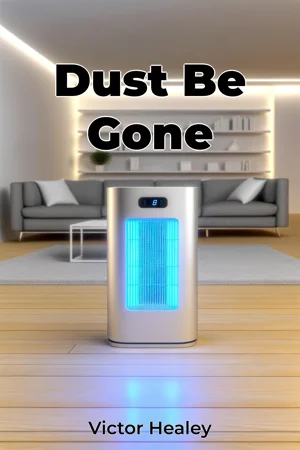
"Dust Be Gone" opens with a provocative question: "What if the air you're breathing right now is slowly killing you?" This stark inquiry immediately draws readers into the often-overlooked world of household dust and its profound impact on our health and well-being. The book explores three main topics: the composition and health effects of dust, innovative DIY methods for dust elimination, and the intersection of technology and dust control. These topics are crucial as they directly affect the air quality in our homes and workplaces, environments where we spend the majority of our time. To provide context, the book delves into the historical evolution of our understanding of dust. From the industrial revolution's smog to modern concerns about microplastics, it traces how our perception of airborne particles has changed. This background sets the stage for readers to understand the current state of dust-related health issues and the urgent need for effective solutions. The central argument of "Dust Be Gone" is that with the right knowledge and tools, individuals can significantly improve their indoor air quality and, consequently, their overall health. This thesis is particularly relevant in an era where indoor air pollution is often worse than outdoor air pollution, making it a pressing public health concern. The book is structured to guide readers through a comprehensive dust-busting journey. It begins by introducing the science of dust, then moves on to practical DIY methods for dust control, and culminates in an exploration of cutting-edge technologies for maintaining clean air. Each chapter builds upon the last, providing readers with a holistic understanding of the subject. To support its arguments, "Dust Be Gone" draws on a wide range of scientific studies, including epidemiological research on the health impacts of particulate matter and engineering studies on air filtration efficacy. The book also features original interviews with environmental health experts and innovative case studies of successful dust reduction strategies. Interdisciplinary connections are a key strength of the book. It links environmental science with public health, exploring how climate change affects indoor dust levels. It also delves into materials science, discussing how advancements in fabric and surface technologies can repel dust. Lastly, it touches on psychology, examining the mental health benefits of living in a clean, dust-free environment. What sets "Dust Be Gone" apart is its unique blend of scientific rigor and practical, DIY solutions. Unlike many academic texts on air quality, this book translates complex concepts into actionable strategies that readers can implement immediately in their homes and offices. The writing style is accessible yet informative, striking a balance between conversational tone and factual presentation. This approach makes the book suitable for a wide audience, from concerned homeowners to environmental health professionals. The target audience includes health-conscious individuals, allergy sufferers, parents, and anyone interested in improving their living or working environment. The book appeals to those who want to take control of their indoor air quality without relying solely on professional services or expensive equipment. As a work in the Health & Fitness and Technology genres, "Dust Be Gone" includes detailed explanations of health impacts, step-by-step guides for DIY projects, and explorations of innovative dust-control technologies. It also addresses the psychological aspects of maintaining a clean environment, tying into the broader field of environmental psychology. While the book provides a comprehensive overview of dust control in homes and offices, it acknowledges its limitations. It does not cover industrial settings or outdoor air quality management, focusing instead on environments where individuals have the most control. Practical applications abound in "Dust Be Gone." Readers will learn how to create their own air purifiers, design dust-resistant living spaces, and leverage smart home technology for automated dust control. The book also includes a section on how to interpret air quality data and choose the most effective cleaning tools. Finally, the book addresses ongoing debates in the field, such as the effectiveness of HEPA filters versus emerging nanotechnologies in air purification. It presents balanced arguments, allowing readers to make informed decisions about their dust control strategies. "Dust Be Gone" promises to be an enlightening and empowering read, transforming how we think about and manage the invisible threat of dust in our daily lives.
"Dust Be Gone" opens with a provocative question: "What if the air you're breathing right now is slowly killing you?" This stark inquiry immediately draws readers into the often-overlooked world of household dust and its profound impact on our health and well-being. The book explores three main topics: the composition and health effects of dust, innovative DIY methods for dust elimination, and the intersection of technology and dust control. These topics are crucial as they directly affect the air quality in our homes and workplaces, environments where we spend the majority of our time. To provide context, the book delves into the historical evolution of our understanding of dust. From the industrial revolution's smog to modern concerns about microplastics, it traces how our perception of airborne particles has changed. This background sets the stage for readers to understand the current state of dust-related health issues and the urgent need for effective solutions. The central argument of "Dust Be Gone" is that with the right knowledge and tools, individuals can significantly improve their indoor air quality and, consequently, their overall health. This thesis is particularly relevant in an era where indoor air pollution is often worse than outdoor air pollution, making it a pressing public health concern. The book is structured to guide readers through a comprehensive dust-busting journey. It begins by introducing the science of dust, then moves on to practical DIY methods for dust control, and culminates in an exploration of cutting-edge technologies for maintaining clean air. Each chapter builds upon the last, providing readers with a holistic understanding of the subject. To support its arguments, "Dust Be Gone" draws on a wide range of scientific studies, including epidemiological research on the health impacts of particulate matter and engineering studies on air filtration efficacy. The book also features original interviews with environmental health experts and innovative case studies of successful dust reduction strategies. Interdisciplinary connections are a key strength of the book. It links environmental science with public health, exploring how climate change affects indoor dust levels. It also delves into materials science, discussing how advancements in fabric and surface technologies can repel dust. Lastly, it touches on psychology, examining the mental health benefits of living in a clean, dust-free environment. What sets "Dust Be Gone" apart is its unique blend of scientific rigor and practical, DIY solutions. Unlike many academic texts on air quality, this book translates complex concepts into actionable strategies that readers can implement immediately in their homes and offices. The writing style is accessible yet informative, striking a balance between conversational tone and factual presentation. This approach makes the book suitable for a wide audience, from concerned homeowners to environmental health professionals. The target audience includes health-conscious individuals, allergy sufferers, parents, and anyone interested in improving their living or working environment. The book appeals to those who want to take control of their indoor air quality without relying solely on professional services or expensive equipment. As a work in the Health & Fitness and Technology genres, "Dust Be Gone" includes detailed explanations of health impacts, step-by-step guides for DIY projects, and explorations of innovative dust-control technologies. It also addresses the psychological aspects of maintaining a clean environment, tying into the broader field of environmental psychology. While the book provides a comprehensive overview of dust control in homes and offices, it acknowledges its limitations. It does not cover industrial settings or outdoor air quality management, focusing instead on environments where individuals have the most control. Practical applications abound in "Dust Be Gone." Readers will learn how to create their own air purifiers, design dust-resistant living spaces, and leverage smart home technology for automated dust control. The book also includes a section on how to interpret air quality data and choose the most effective cleaning tools. Finally, the book addresses ongoing debates in the field, such as the effectiveness of HEPA filters versus emerging nanotechnologies in air purification. It presents balanced arguments, allowing readers to make informed decisions about their dust control strategies. "Dust Be Gone" promises to be an enlightening and empowering read, transforming how we think about and manage the invisible threat of dust in our daily lives.
"Dust Be Gone" delves into the often-overlooked world of household dust and its significant impact on our health. This eye-opening book explores the composition of dust, its health effects, and innovative methods for dust elimination, emphasizing how individuals can improve their indoor air quality. The author presents a compelling argument that with the right knowledge and tools, we can significantly enhance our living environments and overall well-being. The book takes readers on a comprehensive dust-busting journey, starting with the science behind dust and progressing to practical DIY methods and cutting-edge technologies for maintaining clean air. It uniquely blends scientific rigor with accessible, actionable strategies, making it valuable for both concerned homeowners and environmental health professionals. Readers will discover how to create their own air purifiers, design dust-resistant spaces, and leverage smart home technology for automated dust control. What sets "Dust Be Gone" apart is its interdisciplinary approach, connecting environmental science, public health, and materials science. It addresses crucial topics like the impact of climate change on indoor dust levels and the mental health benefits of a clean environment. By translating complex concepts into practical solutions, this book empowers readers to take control of their indoor air quality and make informed decisions about dust control strategies.
Book Details
ISBN
9788233932749
Publisher
Publifye AS
Your Licenses
You don't own any licenses for this book
Purchase a license below to unlock this book and download the EPUB.
Purchase License
Select a tier to unlock this book
Need bulk licensing?
Contact us for enterprise agreements.