
About This Book
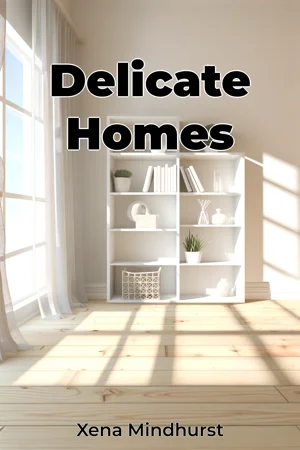
"What if the secret to happiness lies not in grand gestures, but in the delicate nuances of our living spaces?" This question forms the foundation of "Delicate Homes," a groundbreaking exploration of the intersection between architecture, personal growth, and the pursuit of happiness. At its core, "Delicate Homes" delves into three key topics: the psychology of space, the art of mindful design, and the impact of subtle environmental changes on well-being. These topics are crucial in our modern world, where the line between work and home has blurred, and people seek sanctuary in their personal spaces more than ever before. The book is set against the backdrop of a society increasingly aware of the impact of our surroundings on mental health and productivity. It draws from a rich history of architectural theory, from Frank Lloyd Wright's organic architecture to the minimalist movement of the 21st century. Readers are introduced to basic concepts of spatial psychology and design theory, providing a foundation for understanding the book's more complex ideas. The central argument of "Delicate Homes" is that small, intentional adjustments to our living spaces can profoundly affect our inner lives, leading to increased happiness, productivity, and overall well-being. This thesis challenges the notion that significant life improvements require drastic changes, instead advocating for a more nuanced, accessible approach to enhancing our daily environments. The book is structured in three main parts. The first introduces the concept of "delicate design," explaining how subtle elements like light, color, and texture influence our emotions and behaviors. The second part explores practical applications, guiding readers through a room-by-room analysis of potential improvements. The final section delves into the long-term benefits of creating a harmonious home environment, including improved relationships, increased creativity, and enhanced mental health. To support its arguments, "Delicate Homes" draws on a diverse range of evidence. It presents case studies of successful home transformations, interviews with leading architects and psychologists, and data from recent studies in environmental psychology. The book also incorporates findings from a unique, year-long study conducted by the author, tracking the well-being of families before and after implementing delicate design principles. The interdisciplinary nature of "Delicate Homes" is one of its strengths. It connects architecture with psychology, exploring how our physical surroundings shape our mental states. It also draws links to neuroscience, examining how our brains process spatial information, and to sociology, considering how cultural norms influence our perception of home. What sets "Delicate Homes" apart is its emphasis on accessibility and subtlety. Unlike many home improvement guides that advocate for costly renovations, this book focuses on small, achievable changes that can have outsized impacts. It introduces the innovative concept of "micro-zoning," the practice of creating distinct areas within a single space through subtle design cues. The writing style is warm and conversational, making complex design principles accessible to a general audience. While grounded in research, the book avoids academic jargon, instead using relatable anecdotes and clear explanations to convey its ideas. "Delicate Homes" is aimed at a broad audience, from young professionals in small apartments to families in suburban homes. It speaks to anyone who feels a disconnect between their living space and their ideal lifestyle, offering hope that small changes can lead to significant improvements. The book acknowledges ongoing debates in the field, such as the tension between minimalism and personalization in home design. It offers a balanced perspective, encouraging readers to find their own path to a delicate home. While comprehensive in its approach to residential spaces, "Delicate Homes" does not extend its principles to commercial or public spaces, maintaining a focused scope on personal living environments. Throughout the book, readers are provided with practical tips and exercises to apply the principles of delicate design in their own homes. From rearranging furniture to choosing the right lighting, these actionable insights empower readers to start transforming their spaces immediately. By bridging the gap between architectural theory and self-help, "Delicate Homes" offers a fresh perspective on how we can shape our environments to support our best selves. It promises to change not just how we see our homes, but how we experience our daily lives within them.
"What if the secret to happiness lies not in grand gestures, but in the delicate nuances of our living spaces?" This question forms the foundation of "Delicate Homes," a groundbreaking exploration of the intersection between architecture, personal growth, and the pursuit of happiness. At its core, "Delicate Homes" delves into three key topics: the psychology of space, the art of mindful design, and the impact of subtle environmental changes on well-being. These topics are crucial in our modern world, where the line between work and home has blurred, and people seek sanctuary in their personal spaces more than ever before. The book is set against the backdrop of a society increasingly aware of the impact of our surroundings on mental health and productivity. It draws from a rich history of architectural theory, from Frank Lloyd Wright's organic architecture to the minimalist movement of the 21st century. Readers are introduced to basic concepts of spatial psychology and design theory, providing a foundation for understanding the book's more complex ideas. The central argument of "Delicate Homes" is that small, intentional adjustments to our living spaces can profoundly affect our inner lives, leading to increased happiness, productivity, and overall well-being. This thesis challenges the notion that significant life improvements require drastic changes, instead advocating for a more nuanced, accessible approach to enhancing our daily environments. The book is structured in three main parts. The first introduces the concept of "delicate design," explaining how subtle elements like light, color, and texture influence our emotions and behaviors. The second part explores practical applications, guiding readers through a room-by-room analysis of potential improvements. The final section delves into the long-term benefits of creating a harmonious home environment, including improved relationships, increased creativity, and enhanced mental health. To support its arguments, "Delicate Homes" draws on a diverse range of evidence. It presents case studies of successful home transformations, interviews with leading architects and psychologists, and data from recent studies in environmental psychology. The book also incorporates findings from a unique, year-long study conducted by the author, tracking the well-being of families before and after implementing delicate design principles. The interdisciplinary nature of "Delicate Homes" is one of its strengths. It connects architecture with psychology, exploring how our physical surroundings shape our mental states. It also draws links to neuroscience, examining how our brains process spatial information, and to sociology, considering how cultural norms influence our perception of home. What sets "Delicate Homes" apart is its emphasis on accessibility and subtlety. Unlike many home improvement guides that advocate for costly renovations, this book focuses on small, achievable changes that can have outsized impacts. It introduces the innovative concept of "micro-zoning," the practice of creating distinct areas within a single space through subtle design cues. The writing style is warm and conversational, making complex design principles accessible to a general audience. While grounded in research, the book avoids academic jargon, instead using relatable anecdotes and clear explanations to convey its ideas. "Delicate Homes" is aimed at a broad audience, from young professionals in small apartments to families in suburban homes. It speaks to anyone who feels a disconnect between their living space and their ideal lifestyle, offering hope that small changes can lead to significant improvements. The book acknowledges ongoing debates in the field, such as the tension between minimalism and personalization in home design. It offers a balanced perspective, encouraging readers to find their own path to a delicate home. While comprehensive in its approach to residential spaces, "Delicate Homes" does not extend its principles to commercial or public spaces, maintaining a focused scope on personal living environments. Throughout the book, readers are provided with practical tips and exercises to apply the principles of delicate design in their own homes. From rearranging furniture to choosing the right lighting, these actionable insights empower readers to start transforming their spaces immediately. By bridging the gap between architectural theory and self-help, "Delicate Homes" offers a fresh perspective on how we can shape our environments to support our best selves. It promises to change not just how we see our homes, but how we experience our daily lives within them.
"Delicate Homes" explores the profound impact of subtle design changes on personal well-being and happiness. This groundbreaking book bridges the gap between architecture, psychology, and self-improvement, arguing that small, intentional adjustments to our living spaces can significantly enhance our quality of life. The author introduces the concept of "delicate design," explaining how elements like light, color, and texture influence our emotions and behaviors. Structured in three parts, the book first explores the psychology of space and mindful design principles. It then offers practical, room-by-room guidance for implementing these ideas, and finally examines the long-term benefits of creating harmonious home environments. One intriguing concept introduced is "micro-zoning," the practice of creating distinct areas within a single space through subtle design cues. The book draws on diverse evidence, including case studies, expert interviews, and a unique year-long study conducted by the author. What sets "Delicate Homes" apart is its accessibility and focus on achievable changes. Unlike traditional home improvement guides, it emphasizes small, affordable adjustments that can have outsized impacts on well-being. By combining architectural theory with practical advice, the book offers a fresh perspective on how we can shape our environments to support our best selves, making it valuable for anyone seeking to improve their living space and, by extension, their life.
Book Details
ISBN
9788233932732
Publisher
Publifye AS
Your Licenses
You don't own any licenses for this book
Purchase a license below to unlock this book and download the EPUB.
Purchase License
Select a tier to unlock this book
Need bulk licensing?
Contact us for enterprise agreements.