
About This Book
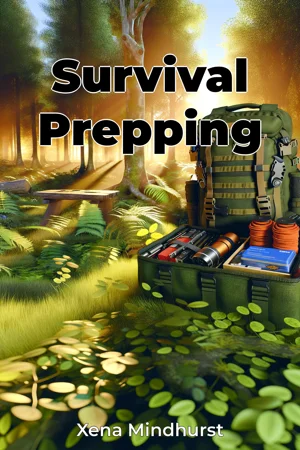
What would you do if disaster struck tomorrow? "Survival Prepping: A Comprehensive Guide to Preparedness" challenges readers to confront this uncomfortable question head-on, offering a pragmatic approach to readiness for unexpected emergencies and long-term survival situations. This book covers three main topics: essential survival skills, resource management, and psychological preparedness. These areas are crucial because they form the foundation of effective survival strategies, enabling individuals to navigate crises with confidence and resilience. In today's unpredictable world, where natural disasters, economic instability, and global pandemics are increasingly common, understanding these principles is more important than ever. To contextualize the need for preparedness, the book delves into historical examples of societal collapses and major disasters, drawing lessons from past events to inform modern survival strategies. It also provides an overview of current global threats, from climate change to geopolitical tensions, establishing a clear rationale for why everyone should consider basic prepping. The central argument of "Survival Prepping" is that preparedness is not about fear or paranoia, but about empowerment and self-reliance. The book posits that by developing a proactive mindset and acquiring practical skills, individuals can significantly improve their chances of surviving and thriving in adverse conditions. Structurally, the book begins by introducing core survival concepts and debunking common myths about prepping. It then delves into detailed chapters on water procurement and purification, food storage and foraging, shelter building, and basic medical skills. The narrative culminates in a section on long-term sustainability and community building, emphasizing that true preparedness extends beyond individual efforts. To support its arguments, "Survival Prepping" draws on a wide range of evidence, including scientific studies on human resilience, expert interviews with survival instructors and emergency management professionals, and case studies of real-life survival situations. The book also incorporates cutting-edge research in fields such as climate science and psychology to provide a comprehensive, up-to-date resource. Interdisciplinary connections are made to fields like environmental science, discussing how climate change affects survival scenarios; psychology, exploring the mental aspects of crisis management; and anthropology, examining how different cultures have traditionally prepared for hardships. What sets this book apart is its balanced approach, avoiding alarmism while still conveying the urgency of preparedness. It also uniquely combines practical, hands-on advice with broader philosophical discussions about self-reliance and community resilience. The writing style is accessible and engaging, blending factual information with narrative elements to maintain reader interest. While grounded in research, the book avoids overly technical language, making it suitable for both beginners and experienced preppers. "Survival Prepping" is targeted at a general adult audience interested in self-sufficiency and emergency preparedness. It's particularly relevant for urban and suburban dwellers who may not have extensive outdoor experience but want to be ready for potential crises. As a self-help and health & fitness book, it includes actionable checklists, exercises to build physical and mental resilience, and clear, step-by-step instructions for various survival techniques. The health aspect is addressed through sections on nutrition, stress management, and maintaining physical fitness in challenging conditions. While comprehensive, the book acknowledges that it can't cover every possible scenario or region-specific information. Instead, it focuses on universal principles and encourages readers to adapt the information to their particular circumstances. Practical applications are emphasized throughout, with each chapter concluding with a "Put It Into Practice" section, providing readers with concrete steps to implement what they've learned. From creating a basic emergency kit to conducting a full home preparedness audit, the book ensures that knowledge translates into action. "Survival Prepping" also addresses ongoing debates in the prepper community, such as the balance between individual and community preparedness, and the ethical considerations of resource allocation during crises. By presenting multiple perspectives, it encourages readers to think critically about their own preparedness philosophy. In essence, "Survival Prepping: A Comprehensive Guide to Preparedness" offers a thorough, balanced, and practical approach to readiness, equipping readers with the knowledge and skills to face uncertain times with confidence and capability.
What would you do if disaster struck tomorrow? "Survival Prepping: A Comprehensive Guide to Preparedness" challenges readers to confront this uncomfortable question head-on, offering a pragmatic approach to readiness for unexpected emergencies and long-term survival situations. This book covers three main topics: essential survival skills, resource management, and psychological preparedness. These areas are crucial because they form the foundation of effective survival strategies, enabling individuals to navigate crises with confidence and resilience. In today's unpredictable world, where natural disasters, economic instability, and global pandemics are increasingly common, understanding these principles is more important than ever. To contextualize the need for preparedness, the book delves into historical examples of societal collapses and major disasters, drawing lessons from past events to inform modern survival strategies. It also provides an overview of current global threats, from climate change to geopolitical tensions, establishing a clear rationale for why everyone should consider basic prepping. The central argument of "Survival Prepping" is that preparedness is not about fear or paranoia, but about empowerment and self-reliance. The book posits that by developing a proactive mindset and acquiring practical skills, individuals can significantly improve their chances of surviving and thriving in adverse conditions. Structurally, the book begins by introducing core survival concepts and debunking common myths about prepping. It then delves into detailed chapters on water procurement and purification, food storage and foraging, shelter building, and basic medical skills. The narrative culminates in a section on long-term sustainability and community building, emphasizing that true preparedness extends beyond individual efforts. To support its arguments, "Survival Prepping" draws on a wide range of evidence, including scientific studies on human resilience, expert interviews with survival instructors and emergency management professionals, and case studies of real-life survival situations. The book also incorporates cutting-edge research in fields such as climate science and psychology to provide a comprehensive, up-to-date resource. Interdisciplinary connections are made to fields like environmental science, discussing how climate change affects survival scenarios; psychology, exploring the mental aspects of crisis management; and anthropology, examining how different cultures have traditionally prepared for hardships. What sets this book apart is its balanced approach, avoiding alarmism while still conveying the urgency of preparedness. It also uniquely combines practical, hands-on advice with broader philosophical discussions about self-reliance and community resilience. The writing style is accessible and engaging, blending factual information with narrative elements to maintain reader interest. While grounded in research, the book avoids overly technical language, making it suitable for both beginners and experienced preppers. "Survival Prepping" is targeted at a general adult audience interested in self-sufficiency and emergency preparedness. It's particularly relevant for urban and suburban dwellers who may not have extensive outdoor experience but want to be ready for potential crises. As a self-help and health & fitness book, it includes actionable checklists, exercises to build physical and mental resilience, and clear, step-by-step instructions for various survival techniques. The health aspect is addressed through sections on nutrition, stress management, and maintaining physical fitness in challenging conditions. While comprehensive, the book acknowledges that it can't cover every possible scenario or region-specific information. Instead, it focuses on universal principles and encourages readers to adapt the information to their particular circumstances. Practical applications are emphasized throughout, with each chapter concluding with a "Put It Into Practice" section, providing readers with concrete steps to implement what they've learned. From creating a basic emergency kit to conducting a full home preparedness audit, the book ensures that knowledge translates into action. "Survival Prepping" also addresses ongoing debates in the prepper community, such as the balance between individual and community preparedness, and the ethical considerations of resource allocation during crises. By presenting multiple perspectives, it encourages readers to think critically about their own preparedness philosophy. In essence, "Survival Prepping: A Comprehensive Guide to Preparedness" offers a thorough, balanced, and practical approach to readiness, equipping readers with the knowledge and skills to face uncertain times with confidence and capability.
"Survival Prepping: A Comprehensive Guide to Preparedness" tackles the critical question of how to prepare for unexpected disasters and long-term survival situations. This timely book focuses on three key areas: essential survival skills, resource management, and psychological preparedness, providing readers with a balanced and practical approach to readiness. The book argues that preparedness is about empowerment and self-reliance, not fear or paranoia. It covers a wide range of topics, from water purification and food storage to shelter building and basic medical skills, culminating in discussions on long-term sustainability and community building. What sets this guide apart is its blend of hands-on advice with broader philosophical discussions about resilience, making it relevant for both beginners and experienced preppers. Structured to progress from core concepts to advanced strategies, "Survival Prepping" incorporates scientific studies, expert interviews, and real-life case studies to support its arguments. The accessible writing style and practical "Put It Into Practice" sections at the end of each chapter ensure that readers can easily translate knowledge into action, making this an invaluable resource for anyone interested in self-sufficiency and emergency preparedness.
Book Details
ISBN
9788233932718
Publisher
Publifye AS
Your Licenses
You don't own any licenses for this book
Purchase a license below to unlock this book and download the EPUB.
Purchase License
Select a tier to unlock this book
Need bulk licensing?
Contact us for enterprise agreements.