
About This Book
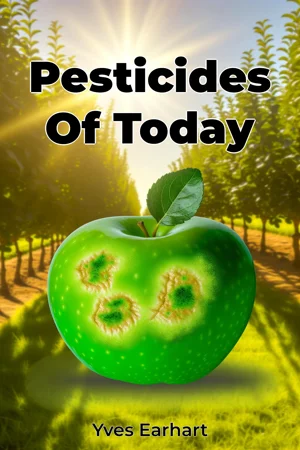
"Pesticides of Today" opens with a provocative question: "Are we poisoning ourselves in the name of agricultural abundance?" This compelling hook sets the stage for a comprehensive exploration of modern pesticide use, its far-reaching impacts, and the cutting-edge scientific approaches to managing associated risks. The book delves into three main topics: the current state of pesticide use in agriculture and beyond, the multifaceted impacts of these chemicals on human health and ecosystems, and the latest scientific advancements in pest management. These topics are crucial for anyone concerned about food safety, environmental protection, and sustainable agricultural practices. To provide context, the book traces the history of pesticide use from ancient times to the "Green Revolution" of the mid-20th century, and into our present era of growing environmental awareness. It explains the basic chemistry and modes of action of different pesticide classes, offering readers the necessary background to grasp the complexities of the subject. The central argument of "Pesticides of Today" is that while pesticides have played a significant role in increasing agricultural productivity and controlling disease vectors, their widespread use has created a complex web of unintended consequences that require urgent attention and innovative solutions. This thesis is particularly relevant in an era of climate change, population growth, and increasing demand for sustainable practices. The book is structured to guide readers through this multifaceted issue. It begins by introducing key concepts in pesticide science and use. The subsequent chapters explore the impacts of pesticides on human health, including acute poisonings and potential long-term effects like cancer and neurodegenerative diseases. The environmental impacts are then examined, covering topics such as soil degradation, water pollution, and biodiversity loss. The final section presents cutting-edge approaches to pest management, including integrated pest management (IPM), biological control methods, and genetically modified crops. To support its arguments, "Pesticides of Today" draws on a wealth of scientific studies, including epidemiological research, ecological surveys, and laboratory experiments. It also incorporates case studies from around the world, offering a global perspective on pesticide use and its consequences. The book makes interdisciplinary connections, linking pesticide science to public health, ecology, and climate science. It explores how pesticide use interacts with global warming, affecting pest populations and crop vulnerabilities. Additionally, it delves into the economic aspects of pesticide use, discussing both the costs and benefits to farmers and society at large. What sets "Pesticides of Today" apart is its balanced approach. Rather than demonizing pesticides or dismissing concerns, it presents a nuanced view of their role in modern agriculture and public health. The book adopts a measured, evidence-based tone, making complex scientific concepts accessible to a general audience while maintaining academic rigor. The target audience includes environmentally conscious consumers, policymakers, students of environmental science and agriculture, and farmers looking to adopt more sustainable practices. The book offers practical advice for reducing pesticide exposure in daily life and implementing alternative pest control methods in various settings. As a work of scientific non-fiction, "Pesticides of Today" adheres to the genre's expectations of factual accuracy, comprehensive research, and clear explanations of complex concepts. It includes data visualizations, chemical structures, and other scientific illustrations to enhance understanding. While the book provides a global overview of pesticide use and its impacts, it acknowledges that practices and regulations vary significantly between regions and countries. It focuses primarily on conventional agriculture in developed nations, with some coverage of unique challenges in the developing world. "Pesticides of Today" addresses several ongoing controversies in the field, including debates over the safety of glyphosate, the world's most widely used herbicide, and the potential ecological impacts of neonicotinoid insecticides on pollinator populations. By the end of the book, readers will have a comprehensive understanding of the complex role pesticides play in our world today. They will be equipped with the knowledge to make informed decisions about pesticide use and exposure in their own lives, and to engage in broader societal discussions about the future of agriculture and environmental protection.
"Pesticides of Today" opens with a provocative question: "Are we poisoning ourselves in the name of agricultural abundance?" This compelling hook sets the stage for a comprehensive exploration of modern pesticide use, its far-reaching impacts, and the cutting-edge scientific approaches to managing associated risks. The book delves into three main topics: the current state of pesticide use in agriculture and beyond, the multifaceted impacts of these chemicals on human health and ecosystems, and the latest scientific advancements in pest management. These topics are crucial for anyone concerned about food safety, environmental protection, and sustainable agricultural practices. To provide context, the book traces the history of pesticide use from ancient times to the "Green Revolution" of the mid-20th century, and into our present era of growing environmental awareness. It explains the basic chemistry and modes of action of different pesticide classes, offering readers the necessary background to grasp the complexities of the subject. The central argument of "Pesticides of Today" is that while pesticides have played a significant role in increasing agricultural productivity and controlling disease vectors, their widespread use has created a complex web of unintended consequences that require urgent attention and innovative solutions. This thesis is particularly relevant in an era of climate change, population growth, and increasing demand for sustainable practices. The book is structured to guide readers through this multifaceted issue. It begins by introducing key concepts in pesticide science and use. The subsequent chapters explore the impacts of pesticides on human health, including acute poisonings and potential long-term effects like cancer and neurodegenerative diseases. The environmental impacts are then examined, covering topics such as soil degradation, water pollution, and biodiversity loss. The final section presents cutting-edge approaches to pest management, including integrated pest management (IPM), biological control methods, and genetically modified crops. To support its arguments, "Pesticides of Today" draws on a wealth of scientific studies, including epidemiological research, ecological surveys, and laboratory experiments. It also incorporates case studies from around the world, offering a global perspective on pesticide use and its consequences. The book makes interdisciplinary connections, linking pesticide science to public health, ecology, and climate science. It explores how pesticide use interacts with global warming, affecting pest populations and crop vulnerabilities. Additionally, it delves into the economic aspects of pesticide use, discussing both the costs and benefits to farmers and society at large. What sets "Pesticides of Today" apart is its balanced approach. Rather than demonizing pesticides or dismissing concerns, it presents a nuanced view of their role in modern agriculture and public health. The book adopts a measured, evidence-based tone, making complex scientific concepts accessible to a general audience while maintaining academic rigor. The target audience includes environmentally conscious consumers, policymakers, students of environmental science and agriculture, and farmers looking to adopt more sustainable practices. The book offers practical advice for reducing pesticide exposure in daily life and implementing alternative pest control methods in various settings. As a work of scientific non-fiction, "Pesticides of Today" adheres to the genre's expectations of factual accuracy, comprehensive research, and clear explanations of complex concepts. It includes data visualizations, chemical structures, and other scientific illustrations to enhance understanding. While the book provides a global overview of pesticide use and its impacts, it acknowledges that practices and regulations vary significantly between regions and countries. It focuses primarily on conventional agriculture in developed nations, with some coverage of unique challenges in the developing world. "Pesticides of Today" addresses several ongoing controversies in the field, including debates over the safety of glyphosate, the world's most widely used herbicide, and the potential ecological impacts of neonicotinoid insecticides on pollinator populations. By the end of the book, readers will have a comprehensive understanding of the complex role pesticides play in our world today. They will be equipped with the knowledge to make informed decisions about pesticide use and exposure in their own lives, and to engage in broader societal discussions about the future of agriculture and environmental protection.
"Pesticides of Today" offers a comprehensive exploration of modern pesticide use, its impacts, and innovative approaches to pest management. The book delves into the complex relationship between agricultural productivity and environmental health, examining how pesticides affect human health, ecosystems, and food safety. It traces the history of pesticide use from ancient times to the present, providing readers with essential background knowledge to understand the subject's intricacies. At its core, the book argues that while pesticides have significantly boosted agricultural yields and controlled disease vectors, their widespread use has created unintended consequences requiring urgent attention. It presents a balanced view, drawing on scientific studies, case studies, and interdisciplinary connections to support its arguments. The book explores cutting-edge approaches to pest management, including integrated pest management and biological control methods, offering practical advice for reducing pesticide exposure and implementing alternative pest control strategies. What sets this book apart is its nuanced approach to a controversial topic, making complex scientific concepts accessible to a general audience while maintaining academic rigor. By addressing ongoing debates and acknowledging regional variations in pesticide use and regulation, "Pesticides of Today" equips readers with the knowledge to make informed decisions and engage in broader discussions about the future of agriculture and environmental protection.
Book Details
ISBN
9788233932664
Publisher
Publifye AS
Your Licenses
You don't own any licenses for this book
Purchase a license below to unlock this book and download the EPUB.
Purchase License
Select a tier to unlock this book
Need bulk licensing?
Contact us for enterprise agreements.