
About This Book
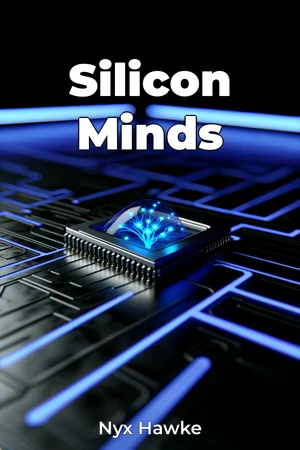
"What if the next Einstein is not human, but silicon?" This provocative question sets the stage for "Silicon Minds," a groundbreaking exploration of the AI revolution that is reshaping our world. This book offers readers a comprehensive journey through the rapidly evolving landscape of artificial intelligence, examining its profound implications for society, economy, and the very nature of human cognition. At its core, "Silicon Minds" delves into three main topics: the current state of AI technology, the ethical considerations surrounding its development, and its potential future trajectories. These topics are crucial for understanding the AI revolution, as they provide a holistic view of both the technical advancements and their societal impacts. The book argues that AI is not just another technological innovation, but a fundamental shift in how we interact with information and make decisions. To contextualize the AI revolution, the book provides a concise history of artificial intelligence, from its conceptual roots in ancient mythology to the groundbreaking work of Alan Turing and beyond. This background sets the stage for understanding the exponential growth in AI capabilities over the past decade, driven by advances in machine learning and the availability of big data. The central thesis of "Silicon Minds" is that we are at a critical juncture in human history, where the development of AI will either augment human capabilities in unprecedented ways or potentially supplant human decision-making in crucial areas. The book argues that understanding and shaping this transition is not just important for technologists, but for everyone who will be affected by these changes – which is to say, all of us. Structurally, the book is divided into three main sections. The first introduces key AI concepts and technologies, explaining machine learning, neural networks, and natural language processing in accessible terms. The second section explores the current applications of AI across various industries, from healthcare and finance to transportation and entertainment. The final section looks to the future, examining potential scenarios for AI development and their implications for work, creativity, and human identity. To support its arguments, "Silicon Minds" draws on a wide range of evidence, including cutting-edge research from leading AI labs, case studies of AI applications in industry, and interviews with AI experts and ethicists. The book also employs unique data visualizations to help readers grasp complex concepts and trends in AI development. Interdisciplinary by nature, "Silicon Minds" connects AI to fields such as neuroscience, examining how AI models are inspired by and differ from biological brains. It also explores the philosophical implications of AI, questioning what it means to be intelligent or conscious. Additionally, the book delves into the economic ramifications of AI, discussing how it might reshape labor markets and economic structures. What sets "Silicon Minds" apart is its balanced approach to the AI revolution. While acknowledging the tremendous potential of AI, the book also critically examines the risks and challenges, including issues of bias, privacy, and the potential for AI to exacerbate existing inequalities. This nuanced perspective provides readers with a comprehensive understanding of the complex landscape of AI. Written in an engaging, narrative non-fiction style, "Silicon Minds" strikes a balance between technical accuracy and accessibility. It's designed to appeal to a broad audience, from tech enthusiasts and business leaders to policymakers and general readers interested in understanding how AI will shape our future. As a work in the AI and Semantics genre, the book pays particular attention to how AI is changing our relationship with language and meaning. It explores developments in natural language processing and generation, and considers how these technologies might influence human communication and cognition. While "Silicon Minds" provides a broad overview of the AI landscape, it acknowledges the rapidly changing nature of the field and the impossibility of predicting all future developments. Instead, it equips readers with the conceptual tools to understand and engage with AI advancements as they unfold. The book concludes by offering practical guidance for navigating the AI revolution, including strategies for individuals to adapt their skills, for businesses to integrate AI responsibly, and for society to address the ethical challenges posed by AI. Throughout, "Silicon Minds" engages with ongoing debates in the field, such as the potential for artificial general intelligence, the risks of AI bias, and the need for ethical AI development. By presenting these controversies, the book encourages readers to think critically about the future we want to create with AI. In sum, "Silicon Minds" offers an illuminating guide to the AI revolution, helping readers understand not just what AI can do, but what it means for our collective future. It's an essential read for anyone seeking to navigate and shape the silicon-powered world that's rapidly emerging around us.
"What if the next Einstein is not human, but silicon?" This provocative question sets the stage for "Silicon Minds," a groundbreaking exploration of the AI revolution that is reshaping our world. This book offers readers a comprehensive journey through the rapidly evolving landscape of artificial intelligence, examining its profound implications for society, economy, and the very nature of human cognition. At its core, "Silicon Minds" delves into three main topics: the current state of AI technology, the ethical considerations surrounding its development, and its potential future trajectories. These topics are crucial for understanding the AI revolution, as they provide a holistic view of both the technical advancements and their societal impacts. The book argues that AI is not just another technological innovation, but a fundamental shift in how we interact with information and make decisions. To contextualize the AI revolution, the book provides a concise history of artificial intelligence, from its conceptual roots in ancient mythology to the groundbreaking work of Alan Turing and beyond. This background sets the stage for understanding the exponential growth in AI capabilities over the past decade, driven by advances in machine learning and the availability of big data. The central thesis of "Silicon Minds" is that we are at a critical juncture in human history, where the development of AI will either augment human capabilities in unprecedented ways or potentially supplant human decision-making in crucial areas. The book argues that understanding and shaping this transition is not just important for technologists, but for everyone who will be affected by these changes – which is to say, all of us. Structurally, the book is divided into three main sections. The first introduces key AI concepts and technologies, explaining machine learning, neural networks, and natural language processing in accessible terms. The second section explores the current applications of AI across various industries, from healthcare and finance to transportation and entertainment. The final section looks to the future, examining potential scenarios for AI development and their implications for work, creativity, and human identity. To support its arguments, "Silicon Minds" draws on a wide range of evidence, including cutting-edge research from leading AI labs, case studies of AI applications in industry, and interviews with AI experts and ethicists. The book also employs unique data visualizations to help readers grasp complex concepts and trends in AI development. Interdisciplinary by nature, "Silicon Minds" connects AI to fields such as neuroscience, examining how AI models are inspired by and differ from biological brains. It also explores the philosophical implications of AI, questioning what it means to be intelligent or conscious. Additionally, the book delves into the economic ramifications of AI, discussing how it might reshape labor markets and economic structures. What sets "Silicon Minds" apart is its balanced approach to the AI revolution. While acknowledging the tremendous potential of AI, the book also critically examines the risks and challenges, including issues of bias, privacy, and the potential for AI to exacerbate existing inequalities. This nuanced perspective provides readers with a comprehensive understanding of the complex landscape of AI. Written in an engaging, narrative non-fiction style, "Silicon Minds" strikes a balance between technical accuracy and accessibility. It's designed to appeal to a broad audience, from tech enthusiasts and business leaders to policymakers and general readers interested in understanding how AI will shape our future. As a work in the AI and Semantics genre, the book pays particular attention to how AI is changing our relationship with language and meaning. It explores developments in natural language processing and generation, and considers how these technologies might influence human communication and cognition. While "Silicon Minds" provides a broad overview of the AI landscape, it acknowledges the rapidly changing nature of the field and the impossibility of predicting all future developments. Instead, it equips readers with the conceptual tools to understand and engage with AI advancements as they unfold. The book concludes by offering practical guidance for navigating the AI revolution, including strategies for individuals to adapt their skills, for businesses to integrate AI responsibly, and for society to address the ethical challenges posed by AI. Throughout, "Silicon Minds" engages with ongoing debates in the field, such as the potential for artificial general intelligence, the risks of AI bias, and the need for ethical AI development. By presenting these controversies, the book encourages readers to think critically about the future we want to create with AI. In sum, "Silicon Minds" offers an illuminating guide to the AI revolution, helping readers understand not just what AI can do, but what it means for our collective future. It's an essential read for anyone seeking to navigate and shape the silicon-powered world that's rapidly emerging around us.
"Silicon Minds" offers a comprehensive exploration of the AI revolution, examining its current state, ethical considerations, and potential future trajectories. The book argues that we're at a critical juncture where AI could either augment human capabilities or potentially supplant human decision-making in crucial areas. It delves into key AI concepts like machine learning and neural networks, while also exploring applications across various industries. The book's balanced approach sets it apart, acknowledging AI's tremendous potential while critically examining risks such as bias and privacy concerns. It draws on cutting-edge research, case studies, and expert interviews to support its arguments. "Silicon Minds" also explores the interdisciplinary nature of AI, connecting it to fields like neuroscience and philosophy, and examining its economic ramifications. Progressing from foundational concepts to current applications and future scenarios, the book provides readers with the tools to understand and engage with AI advancements. It concludes by offering practical guidance for navigating the AI revolution, making it an essential read for anyone seeking to understand the silicon-powered world emerging around us.
Book Details
ISBN
9788233932633
Publisher
Publifye AS
Your Licenses
You don't own any licenses for this book
Purchase a license below to unlock this book and download the EPUB.
Purchase License
Select a tier to unlock this book
Need bulk licensing?
Contact us for enterprise agreements.