
About This Book
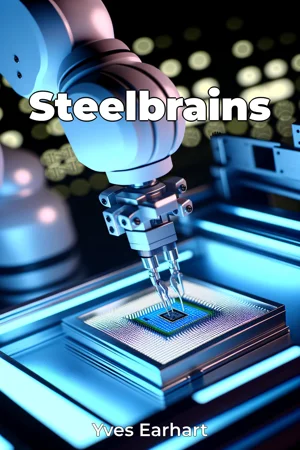
"Steelbrains: The Evolution of AI in Manufacturing" opens with a provocative question: "What if factories could think?" This compelling hook sets the stage for a comprehensive exploration of how artificial intelligence is revolutionizing the manufacturing industry, from its humble beginnings in automated assembly lines to the cutting-edge predictive maintenance systems of today. The book delves into three main topics: the historical development of AI in manufacturing, current applications of AI across various industrial sectors, and the future potential of AI to transform production processes. These topics are crucial for understanding the ongoing Fourth Industrial Revolution and its implications for businesses, workers, and consumers alike. To provide context, "Steelbrains" takes readers on a journey through the history of manufacturing, from the first Industrial Revolution to the present day. It explains the fundamental concepts of artificial intelligence, machine learning, and data analytics, ensuring that readers have the necessary background to grasp the more complex ideas presented later in the book. The central argument of "Steelbrains" is that AI is not just an add-on to existing manufacturing processes, but a transformative force that is reshaping the entire industry. The book contends that embracing AI is no longer optional for manufacturers who wish to remain competitive in the global marketplace. Structured in three parts, the book first introduces the core concepts of AI in manufacturing. The second part explores real-world applications, including smart factories, quality control systems, and supply chain optimization. The final section examines the future of AI in manufacturing, discussing emerging technologies and potential societal impacts. To support its arguments, "Steelbrains" draws on a wealth of case studies, interviews with industry leaders, and data from cutting-edge research institutions. The book also features exclusive insights from AI developers working on next-generation manufacturing solutions. Interdisciplinary connections are a key strength of "Steelbrains." The book explores how AI in manufacturing intersects with fields such as robotics, materials science, and environmental studies. It also examines the ethical implications of AI-driven automation, drawing on perspectives from philosophy and sociology. What sets "Steelbrains" apart is its holistic approach to the subject matter. Rather than focusing solely on the technical aspects of AI, the book also considers the human element, exploring how AI is changing the nature of work in manufacturing and the skills that will be needed in the factory of the future. Written in an accessible yet authoritative style, "Steelbrains" strikes a balance between technical detail and broader industry trends. It uses clear language and real-world examples to make complex concepts understandable to a wide audience. The target audience for "Steelbrains" includes manufacturing executives, engineers, policymakers, and students of technology and business. Anyone interested in the future of industry and the role of AI in shaping our economic landscape will find valuable insights in this book. As a work of technology non-fiction, "Steelbrains" adheres to the genre's conventions by providing well-researched information, expert opinions, and forward-looking analysis. It also includes diagrams, charts, and photographs to illustrate key concepts. While the book provides a comprehensive overview of AI in manufacturing, it acknowledges that the field is rapidly evolving. As such, it focuses on foundational principles and current best practices, rather than attempting to predict specific technological developments. "Steelbrains" offers practical guidance for manufacturers looking to implement AI solutions, including strategies for data collection, workforce training, and navigating regulatory challenges. It also addresses common pitfalls and misconceptions about AI in industrial settings. The book doesn't shy away from controversies, addressing debates such as the potential for AI to displace human workers and concerns about data privacy and security in smart factories. It presents balanced viewpoints on these issues, encouraging readers to think critically about the implications of AI adoption. In conclusion, "Steelbrains" provides a comprehensive, engaging, and timely exploration of AI's role in reshaping the manufacturing landscape. By combining historical context, current applications, and future possibilities, it offers readers a roadmap for understanding and navigating the AI-driven revolution in industry.
"Steelbrains: The Evolution of AI in Manufacturing" opens with a provocative question: "What if factories could think?" This compelling hook sets the stage for a comprehensive exploration of how artificial intelligence is revolutionizing the manufacturing industry, from its humble beginnings in automated assembly lines to the cutting-edge predictive maintenance systems of today. The book delves into three main topics: the historical development of AI in manufacturing, current applications of AI across various industrial sectors, and the future potential of AI to transform production processes. These topics are crucial for understanding the ongoing Fourth Industrial Revolution and its implications for businesses, workers, and consumers alike. To provide context, "Steelbrains" takes readers on a journey through the history of manufacturing, from the first Industrial Revolution to the present day. It explains the fundamental concepts of artificial intelligence, machine learning, and data analytics, ensuring that readers have the necessary background to grasp the more complex ideas presented later in the book. The central argument of "Steelbrains" is that AI is not just an add-on to existing manufacturing processes, but a transformative force that is reshaping the entire industry. The book contends that embracing AI is no longer optional for manufacturers who wish to remain competitive in the global marketplace. Structured in three parts, the book first introduces the core concepts of AI in manufacturing. The second part explores real-world applications, including smart factories, quality control systems, and supply chain optimization. The final section examines the future of AI in manufacturing, discussing emerging technologies and potential societal impacts. To support its arguments, "Steelbrains" draws on a wealth of case studies, interviews with industry leaders, and data from cutting-edge research institutions. The book also features exclusive insights from AI developers working on next-generation manufacturing solutions. Interdisciplinary connections are a key strength of "Steelbrains." The book explores how AI in manufacturing intersects with fields such as robotics, materials science, and environmental studies. It also examines the ethical implications of AI-driven automation, drawing on perspectives from philosophy and sociology. What sets "Steelbrains" apart is its holistic approach to the subject matter. Rather than focusing solely on the technical aspects of AI, the book also considers the human element, exploring how AI is changing the nature of work in manufacturing and the skills that will be needed in the factory of the future. Written in an accessible yet authoritative style, "Steelbrains" strikes a balance between technical detail and broader industry trends. It uses clear language and real-world examples to make complex concepts understandable to a wide audience. The target audience for "Steelbrains" includes manufacturing executives, engineers, policymakers, and students of technology and business. Anyone interested in the future of industry and the role of AI in shaping our economic landscape will find valuable insights in this book. As a work of technology non-fiction, "Steelbrains" adheres to the genre's conventions by providing well-researched information, expert opinions, and forward-looking analysis. It also includes diagrams, charts, and photographs to illustrate key concepts. While the book provides a comprehensive overview of AI in manufacturing, it acknowledges that the field is rapidly evolving. As such, it focuses on foundational principles and current best practices, rather than attempting to predict specific technological developments. "Steelbrains" offers practical guidance for manufacturers looking to implement AI solutions, including strategies for data collection, workforce training, and navigating regulatory challenges. It also addresses common pitfalls and misconceptions about AI in industrial settings. The book doesn't shy away from controversies, addressing debates such as the potential for AI to displace human workers and concerns about data privacy and security in smart factories. It presents balanced viewpoints on these issues, encouraging readers to think critically about the implications of AI adoption. In conclusion, "Steelbrains" provides a comprehensive, engaging, and timely exploration of AI's role in reshaping the manufacturing landscape. By combining historical context, current applications, and future possibilities, it offers readers a roadmap for understanding and navigating the AI-driven revolution in industry.
"Steelbrains: The Evolution of AI in Manufacturing" explores how artificial intelligence is revolutionizing the manufacturing industry, from automated assembly lines to cutting-edge predictive maintenance systems. This comprehensive book delves into the historical development of AI in manufacturing, its current applications across various industrial sectors, and its future potential to transform production processes. The book argues that AI is not merely an add-on but a transformative force reshaping the entire manufacturing landscape. It highlights how smart factories, quality control systems, and supply chain optimization are being enhanced by AI and machine learning technologies. Through case studies, interviews with industry leaders, and data from research institutions, "Steelbrains" provides readers with a holistic view of AI's impact on Industry 4.0. What sets this book apart is its balanced approach, considering both the technical aspects of AI and its human implications. It addresses the changing nature of work in manufacturing and the skills required for the factory of the future. By examining real-world applications and emerging technologies, "Steelbrains" offers valuable insights for manufacturing executives, engineers, policymakers, and anyone interested in the intersection of AI and industrial innovation.
Book Details
ISBN
9788233932626
Publisher
Publifye AS
Your Licenses
You don't own any licenses for this book
Purchase a license below to unlock this book and download the EPUB.
Purchase License
Select a tier to unlock this book
Need bulk licensing?
Contact us for enterprise agreements.