
About This Book
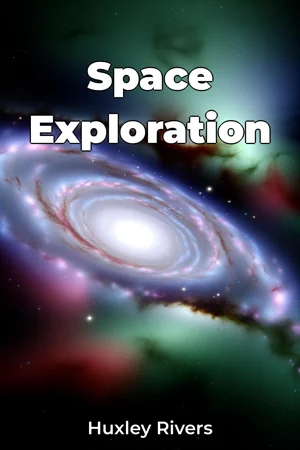
"What secrets of the universe are waiting to be unveiled, and how will humanity's journey into space shape our future?" This compelling question sets the stage for "Space Exploration," a comprehensive examination of the cosmos and our place within it. "Space Exploration" delves into three key areas of modern astrophysics and space science: black holes, exoplanets, and future space missions. These topics are not only at the forefront of scientific research but also capture the imagination of both scientists and the general public alike. Understanding black holes provides crucial insights into the fundamental laws of physics and the nature of space-time. The study of exoplanets offers tantalizing possibilities of discovering life beyond Earth and understanding the uniqueness of our own planet. Future space missions represent humanity's ongoing quest to push the boundaries of exploration and technology, with potential benefits that extend far beyond the realm of space science. The book begins by providing essential context for these topics, tracing the history of astronomy from ancient stargazers to the launch of the Hubble Space Telescope and beyond. It explains the basic principles of astrophysics and space technology necessary for readers to fully grasp the more complex concepts discussed later. The central argument of "Space Exploration" is that continued investment in space science and exploration is not only crucial for advancing our understanding of the universe but also for addressing challenges on Earth and ensuring the long-term survival of our species. This thesis is supported through a carefully structured exploration of each main topic. The book is divided into three main sections. The first focuses on black holes, explaining their formation, properties, and the recent breakthrough in capturing the first image of a black hole. The second section explores the rapidly evolving field of exoplanet research, detailing the methods used to detect these distant worlds and the implications of recent discoveries. The final section looks ahead to future space missions, discussing planned projects like the James Webb Space Telescope and potential crewed missions to Mars. Throughout the book, cutting-edge research and data from space agencies like NASA and ESA, as well as from ground-based observatories, are presented to support the main arguments. The author also incorporates insights from interviews with leading scientists and astronauts, providing a unique insider's perspective on the field. "Space Exploration" draws connections between astrophysics and other disciplines, including geology (in understanding the formation and evolution of planets), biology (in the search for extraterrestrial life), and engineering (in developing new technologies for space exploration). These interdisciplinary links highlight the far-reaching impact of space science on various fields of study and areas of human endeavor. What sets this book apart is its approach to presenting complex scientific concepts through accessible language and engaging narratives. The author uses analogies and thought experiments to explain abstract ideas, making the content approachable for readers without a scientific background while still providing depth for those with prior knowledge. The writing style strikes a balance between academic rigor and narrative non-fiction, weaving together scientific facts with the human stories behind major discoveries and missions. This approach makes the book suitable for a wide audience, from students and educators to space enthusiasts and general readers interested in science and exploration. "Space Exploration" addresses several ongoing debates in the field, including the feasibility and ethics of long-term space colonization, the allocation of resources between robotic and human exploration, and the potential impact of discovering extraterrestrial life. While the book provides a comprehensive overview of its main topics, it acknowledges the rapidly evolving nature of space science. It encourages readers to view the content as a foundation for further exploration rather than a definitive account. The practical applications of the knowledge presented in the book are numerous. Readers will gain a better understanding of our place in the universe, the technologies driving space exploration, and the potential benefits of space research for life on Earth. The book also aims to inspire the next generation of scientists, engineers, and explorers who will shape the future of space exploration. "Space Exploration" offers a thrilling journey through the cosmos, grounded in rigorous science but accessible to all. It invites readers to ponder the greatest mysteries of the universe and humanity's role in unraveling them, making it an essential read for anyone captivated by the wonders of space.
"What secrets of the universe are waiting to be unveiled, and how will humanity's journey into space shape our future?" This compelling question sets the stage for "Space Exploration," a comprehensive examination of the cosmos and our place within it. "Space Exploration" delves into three key areas of modern astrophysics and space science: black holes, exoplanets, and future space missions. These topics are not only at the forefront of scientific research but also capture the imagination of both scientists and the general public alike. Understanding black holes provides crucial insights into the fundamental laws of physics and the nature of space-time. The study of exoplanets offers tantalizing possibilities of discovering life beyond Earth and understanding the uniqueness of our own planet. Future space missions represent humanity's ongoing quest to push the boundaries of exploration and technology, with potential benefits that extend far beyond the realm of space science. The book begins by providing essential context for these topics, tracing the history of astronomy from ancient stargazers to the launch of the Hubble Space Telescope and beyond. It explains the basic principles of astrophysics and space technology necessary for readers to fully grasp the more complex concepts discussed later. The central argument of "Space Exploration" is that continued investment in space science and exploration is not only crucial for advancing our understanding of the universe but also for addressing challenges on Earth and ensuring the long-term survival of our species. This thesis is supported through a carefully structured exploration of each main topic. The book is divided into three main sections. The first focuses on black holes, explaining their formation, properties, and the recent breakthrough in capturing the first image of a black hole. The second section explores the rapidly evolving field of exoplanet research, detailing the methods used to detect these distant worlds and the implications of recent discoveries. The final section looks ahead to future space missions, discussing planned projects like the James Webb Space Telescope and potential crewed missions to Mars. Throughout the book, cutting-edge research and data from space agencies like NASA and ESA, as well as from ground-based observatories, are presented to support the main arguments. The author also incorporates insights from interviews with leading scientists and astronauts, providing a unique insider's perspective on the field. "Space Exploration" draws connections between astrophysics and other disciplines, including geology (in understanding the formation and evolution of planets), biology (in the search for extraterrestrial life), and engineering (in developing new technologies for space exploration). These interdisciplinary links highlight the far-reaching impact of space science on various fields of study and areas of human endeavor. What sets this book apart is its approach to presenting complex scientific concepts through accessible language and engaging narratives. The author uses analogies and thought experiments to explain abstract ideas, making the content approachable for readers without a scientific background while still providing depth for those with prior knowledge. The writing style strikes a balance between academic rigor and narrative non-fiction, weaving together scientific facts with the human stories behind major discoveries and missions. This approach makes the book suitable for a wide audience, from students and educators to space enthusiasts and general readers interested in science and exploration. "Space Exploration" addresses several ongoing debates in the field, including the feasibility and ethics of long-term space colonization, the allocation of resources between robotic and human exploration, and the potential impact of discovering extraterrestrial life. While the book provides a comprehensive overview of its main topics, it acknowledges the rapidly evolving nature of space science. It encourages readers to view the content as a foundation for further exploration rather than a definitive account. The practical applications of the knowledge presented in the book are numerous. Readers will gain a better understanding of our place in the universe, the technologies driving space exploration, and the potential benefits of space research for life on Earth. The book also aims to inspire the next generation of scientists, engineers, and explorers who will shape the future of space exploration. "Space Exploration" offers a thrilling journey through the cosmos, grounded in rigorous science but accessible to all. It invites readers to ponder the greatest mysteries of the universe and humanity's role in unraveling them, making it an essential read for anyone captivated by the wonders of space.
"Space Exploration" takes readers on a captivating journey through the cosmos, exploring the cutting-edge realms of black holes, exoplanets, and future space missions. This comprehensive examination of modern astrophysics and space science delves into the secrets of the universe and humanity's place within it. The book presents complex scientific concepts through accessible language and engaging narratives, making it suitable for both science enthusiasts and general readers. The author skillfully weaves together scientific facts with human stories behind major discoveries, tracing the evolution of astronomy from ancient stargazers to recent breakthroughs like capturing the first image of a black hole. Readers will gain insights into the formation and properties of black holes, the methods used to detect distant exoplanets, and the potential for discovering extraterrestrial life. The book also explores upcoming space missions, including the James Webb Space Telescope and potential crewed missions to Mars, highlighting the ongoing quest to push the boundaries of exploration and technology. Throughout its chapters, "Space Exploration" emphasizes the interdisciplinary nature of space science, drawing connections between astrophysics, geology, biology, and engineering. By incorporating cutting-edge research data and interviews with leading scientists and astronauts, the book offers a unique insider's perspective on the field. Ultimately, it argues for the continued investment in space exploration, not only to advance our understanding of the universe but also to address challenges on Earth and ensure the long-term survival of our species.
Book Details
ISBN
9788233932534
Publisher
Publifye AS
Your Licenses
You don't own any licenses for this book
Purchase a license below to unlock this book and download the EPUB.
Purchase License
Select a tier to unlock this book
Need bulk licensing?
Contact us for enterprise agreements.