
About This Book
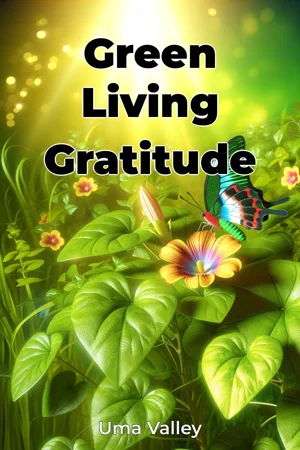
"What if the path to personal fulfillment and environmental stewardship were one and the same?" This provocative question sets the stage for "Green Living Gratitude," a groundbreaking exploration of the symbiotic relationship between sustainable living and personal well-being. The book delves into three core topics: practical eco-friendly strategies, the psychology of sustainable choices, and the cultivation of gratitude through environmental consciousness. These topics are crucial in an era where climate change and environmental degradation pose existential threats, while rates of anxiety and dissatisfaction continue to rise globally. By intertwining personal growth with ecological responsibility, the book offers a fresh perspective on addressing both individual and planetary health. To contextualize its argument, "Green Living Gratitude" traces the historical disconnect between human progress and environmental preservation, from the Industrial Revolution to the present day. It then introduces readers to key concepts in positive psychology, environmental science, and mindfulness practices, providing a multidisciplinary foundation for its central thesis. The book's main argument posits that adopting an eco-friendly lifestyle not only reduces one's environmental impact but also leads to greater personal fulfillment and happiness. This thesis challenges the common misconception that sustainable living requires sacrifice, instead framing it as a path to a more meaningful and satisfying life. Structured in three parts, the book first introduces the concept of "eco-gratitude" – a mindset that fosters appreciation for the natural world and our place within it. The second section explores practical strategies for sustainable living, covering areas such as energy use, consumption habits, and waste reduction. The final part demonstrates how these practices contribute to personal growth, enhanced well-being, and a sense of purpose. To support its claims, the book draws on a wide range of evidence, including environmental impact studies, psychological research on happiness and well-being, and case studies of individuals and communities that have successfully integrated sustainable practices into their lives. It also presents original survey data on the correlation between eco-friendly behaviors and life satisfaction. Interdisciplinary connections are a key strength of "Green Living Gratitude." It bridges environmental science with positive psychology, exploring how eco-friendly actions can trigger the brain's reward centers. It also draws on economics, examining how sustainable choices can lead to financial benefits and increased life satisfaction. Additionally, it incorporates elements of mindfulness and spiritual traditions, showing how environmental consciousness can deepen one's sense of connection and purpose. The book's unique approach lies in its integration of practical sustainability tips with mindfulness exercises and gratitude practices. This holistic methodology sets it apart from traditional environmental guidebooks or self-help manuals, offering a comprehensive framework for personal and planetary well-being. Written in an engaging, conversational style, "Green Living Gratitude" balances scientific rigor with accessibility. It employs storytelling techniques to illustrate key points, making complex concepts relatable to a general audience while maintaining the depth expected in a well-researched non-fiction work. The target audience includes environmentally conscious individuals seeking to deepen their commitment to sustainability, as well as those interested in personal growth and happiness. It also appeals to readers feeling overwhelmed by environmental challenges, offering a positive, action-oriented approach. As a work in the self-help and environmental genres, the book includes practical exercises, reflection prompts, and actionable tips throughout. It also addresses the psychological barriers to sustainable living, such as eco-anxiety and feelings of helplessness, providing strategies to overcome these obstacles. While comprehensive in its approach to personal sustainability, the book acknowledges that individual actions alone cannot solve global environmental issues. It frames personal choices within the broader context of systemic change, encouraging readers to engage in community and political action alongside their individual efforts. "Green Living Gratitude" offers numerous real-world applications, from step-by-step guides for reducing household waste to techniques for finding joy in nature-based activities. It also provides frameworks for making ethical consumer choices and navigating the complexities of sustainable living in a consumer-driven society. The book addresses ongoing debates in environmental circles, such as the efficacy of individual actions versus systemic change, and the potential of "green growth" versus degrowth economic models. It presents balanced perspectives on these issues while maintaining its core message of personal empowerment through sustainable choices. By reframing eco-friendly living as a path to personal fulfillment, "Green Living Gratitude" offers a hopeful and motivating approach to tackling environmental challenges. It empowers readers to make positive changes in their lives while contributing to the well-being of the planet, presenting a vision of sustainability that is both aspirational and achievable.
"What if the path to personal fulfillment and environmental stewardship were one and the same?" This provocative question sets the stage for "Green Living Gratitude," a groundbreaking exploration of the symbiotic relationship between sustainable living and personal well-being. The book delves into three core topics: practical eco-friendly strategies, the psychology of sustainable choices, and the cultivation of gratitude through environmental consciousness. These topics are crucial in an era where climate change and environmental degradation pose existential threats, while rates of anxiety and dissatisfaction continue to rise globally. By intertwining personal growth with ecological responsibility, the book offers a fresh perspective on addressing both individual and planetary health. To contextualize its argument, "Green Living Gratitude" traces the historical disconnect between human progress and environmental preservation, from the Industrial Revolution to the present day. It then introduces readers to key concepts in positive psychology, environmental science, and mindfulness practices, providing a multidisciplinary foundation for its central thesis. The book's main argument posits that adopting an eco-friendly lifestyle not only reduces one's environmental impact but also leads to greater personal fulfillment and happiness. This thesis challenges the common misconception that sustainable living requires sacrifice, instead framing it as a path to a more meaningful and satisfying life. Structured in three parts, the book first introduces the concept of "eco-gratitude" – a mindset that fosters appreciation for the natural world and our place within it. The second section explores practical strategies for sustainable living, covering areas such as energy use, consumption habits, and waste reduction. The final part demonstrates how these practices contribute to personal growth, enhanced well-being, and a sense of purpose. To support its claims, the book draws on a wide range of evidence, including environmental impact studies, psychological research on happiness and well-being, and case studies of individuals and communities that have successfully integrated sustainable practices into their lives. It also presents original survey data on the correlation between eco-friendly behaviors and life satisfaction. Interdisciplinary connections are a key strength of "Green Living Gratitude." It bridges environmental science with positive psychology, exploring how eco-friendly actions can trigger the brain's reward centers. It also draws on economics, examining how sustainable choices can lead to financial benefits and increased life satisfaction. Additionally, it incorporates elements of mindfulness and spiritual traditions, showing how environmental consciousness can deepen one's sense of connection and purpose. The book's unique approach lies in its integration of practical sustainability tips with mindfulness exercises and gratitude practices. This holistic methodology sets it apart from traditional environmental guidebooks or self-help manuals, offering a comprehensive framework for personal and planetary well-being. Written in an engaging, conversational style, "Green Living Gratitude" balances scientific rigor with accessibility. It employs storytelling techniques to illustrate key points, making complex concepts relatable to a general audience while maintaining the depth expected in a well-researched non-fiction work. The target audience includes environmentally conscious individuals seeking to deepen their commitment to sustainability, as well as those interested in personal growth and happiness. It also appeals to readers feeling overwhelmed by environmental challenges, offering a positive, action-oriented approach. As a work in the self-help and environmental genres, the book includes practical exercises, reflection prompts, and actionable tips throughout. It also addresses the psychological barriers to sustainable living, such as eco-anxiety and feelings of helplessness, providing strategies to overcome these obstacles. While comprehensive in its approach to personal sustainability, the book acknowledges that individual actions alone cannot solve global environmental issues. It frames personal choices within the broader context of systemic change, encouraging readers to engage in community and political action alongside their individual efforts. "Green Living Gratitude" offers numerous real-world applications, from step-by-step guides for reducing household waste to techniques for finding joy in nature-based activities. It also provides frameworks for making ethical consumer choices and navigating the complexities of sustainable living in a consumer-driven society. The book addresses ongoing debates in environmental circles, such as the efficacy of individual actions versus systemic change, and the potential of "green growth" versus degrowth economic models. It presents balanced perspectives on these issues while maintaining its core message of personal empowerment through sustainable choices. By reframing eco-friendly living as a path to personal fulfillment, "Green Living Gratitude" offers a hopeful and motivating approach to tackling environmental challenges. It empowers readers to make positive changes in their lives while contributing to the well-being of the planet, presenting a vision of sustainability that is both aspirational and achievable.
"Green Living Gratitude" explores the powerful connection between sustainable living and personal well-being, challenging the notion that eco-friendly choices require sacrifice. This insightful book argues that adopting an environmentally conscious lifestyle can lead to greater happiness and fulfillment while simultaneously benefiting the planet. By intertwining concepts from positive psychology, environmental science, and mindfulness practices, it offers a fresh perspective on addressing both individual and global challenges. The book introduces the concept of "eco-gratitude" and provides practical strategies for sustainable living, covering topics such as energy use, consumption habits, and waste reduction. It presents compelling evidence from environmental impact studies and psychological research to support its claims, while also offering real-world examples of individuals and communities successfully integrating sustainable practices into their lives. Through a combination of scientific insights, personal anecdotes, and actionable tips, readers are guided on a journey of self-discovery and environmental stewardship. What sets "Green Living Gratitude" apart is its holistic approach, seamlessly blending practical sustainability advice with mindfulness exercises and gratitude practices. This unique methodology offers readers a comprehensive framework for enhancing both personal and planetary well-being, making it an invaluable resource for those seeking to cultivate a more meaningful and eco-conscious lifestyle.
Book Details
ISBN
9788233932473
Publisher
Publifye AS
Your Licenses
You don't own any licenses for this book
Purchase a license below to unlock this book and download the EPUB.
Purchase License
Select a tier to unlock this book
Need bulk licensing?
Contact us for enterprise agreements.