
About This Book
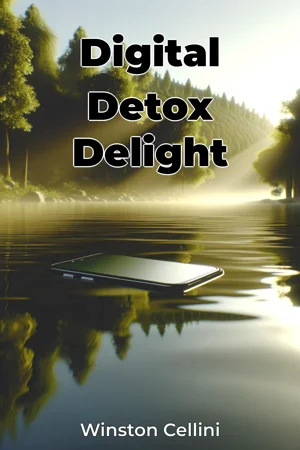
"Are you drowning in a sea of notifications, feeling constantly tethered to your devices, and yearning for a life beyond the screen?" This provocative question sets the stage for "Digital Detox Delight," a comprehensive guide that tackles the pressing issue of finding balance in our increasingly digital world. The book explores three main topics: the impact of excessive screen time on our mental and physical well-being, strategies for reducing digital dependence, and methods for reconnecting with real-world experiences and relationships. These topics are crucial in today's hyper-connected society, where the average person spends over 7 hours a day interacting with screens, often at the expense of their health, productivity, and personal connections. To contextualize these issues, the book delves into the history of digital technology and its rapid integration into every aspect of our lives. It examines how smartphones, social media, and constant connectivity have fundamentally altered our daily routines, communication patterns, and even our neurological functioning over the past two decades. The central argument of "Digital Detox Delight" is that while technology offers numerous benefits, an intentional and balanced approach to its use is essential for maintaining overall well-being and living a fulfilling life. This thesis is particularly relevant as society grapples with rising rates of tech addiction, digital burnout, and the erosion of face-to-face social skills. The book is structured to guide readers through a journey of digital awareness and transformation. It begins by introducing key concepts such as "tech-life balance" and "digital mindfulness." The middle sections develop these ideas, focusing on the neuroscience of digital addiction, the psychology of FOMO (fear of missing out), and the impact of constant connectivity on creativity and deep work. The book culminates in a comprehensive digital detox plan, followed by strategies for maintaining a healthy relationship with technology in the long term. To support its arguments, "Digital Detox Delight" draws on a wide range of evidence, including recent neurological studies on the effects of screen time on brain structure, large-scale surveys on tech usage patterns and their correlations with mental health outcomes, and case studies of individuals and organizations that have successfully implemented digital detox strategies. The book also features original research, including a longitudinal study tracking the effects of a 30-day digital detox program on participants' well-being and productivity. Interdisciplinary connections are made throughout the book, linking digital habits to fields such as psychology, sociology, and ergonomics. For example, it explores how principles of behavioral economics can be applied to design more mindful digital environments, and how insights from environmental psychology can inform the creation of tech-free spaces that promote well-being. What sets "Digital Detox Delight" apart is its holistic and practical approach. Rather than advocating for complete technological abstinence, it offers a nuanced perspective on integrating digital tools in a way that enhances rather than detracts from life. The book introduces innovative concepts like "tech-positive minimalism" and "digital nutrition," providing readers with a fresh framework for evaluating their relationship with technology. Written in an engaging, conversational style, the book balances academic rigor with accessible language and relatable anecdotes. This approach makes it suitable for a wide audience, from tech-savvy millennials feeling overwhelmed by constant connectivity to parents concerned about their children's screen time, and professionals seeking to optimize their digital habits for greater productivity and well-being. As a work in the Information Technology and Self-help genres, "Digital Detox Delight" adheres to conventions such as providing actionable advice, including self-assessment tools, and offering a mix of scientific evidence and practical tips. It goes beyond mere theory to include step-by-step guides, habit-tracking templates, and customizable digital detox plans. While the book covers a broad range of digital wellness topics, it acknowledges its limitations, focusing primarily on personal and social aspects rather than delving deeply into corporate tech policies or global digital inequality issues. Readers can apply the book's insights in numerous ways, from implementing simple "screen-free" rituals in their daily lives to redesigning their work environments for reduced digital distraction. The book also provides guidance on how to cultivate meaningful offline relationships and hobbies as alternatives to excessive screen time. "Digital Detox Delight" addresses ongoing debates in the field, such as the long-term effects of social media on mental health and the ethical implications of persuasive technology design. It presents balanced viewpoints on these issues, encouraging readers to form their own informed opinions. By offering a comprehensive, evidence-based approach to achieving tech-life balance, "Digital Detox Delight" promises to be an invaluable resource for anyone seeking to thrive in the digital age without losing touch with the richness of the real world.
"Are you drowning in a sea of notifications, feeling constantly tethered to your devices, and yearning for a life beyond the screen?" This provocative question sets the stage for "Digital Detox Delight," a comprehensive guide that tackles the pressing issue of finding balance in our increasingly digital world. The book explores three main topics: the impact of excessive screen time on our mental and physical well-being, strategies for reducing digital dependence, and methods for reconnecting with real-world experiences and relationships. These topics are crucial in today's hyper-connected society, where the average person spends over 7 hours a day interacting with screens, often at the expense of their health, productivity, and personal connections. To contextualize these issues, the book delves into the history of digital technology and its rapid integration into every aspect of our lives. It examines how smartphones, social media, and constant connectivity have fundamentally altered our daily routines, communication patterns, and even our neurological functioning over the past two decades. The central argument of "Digital Detox Delight" is that while technology offers numerous benefits, an intentional and balanced approach to its use is essential for maintaining overall well-being and living a fulfilling life. This thesis is particularly relevant as society grapples with rising rates of tech addiction, digital burnout, and the erosion of face-to-face social skills. The book is structured to guide readers through a journey of digital awareness and transformation. It begins by introducing key concepts such as "tech-life balance" and "digital mindfulness." The middle sections develop these ideas, focusing on the neuroscience of digital addiction, the psychology of FOMO (fear of missing out), and the impact of constant connectivity on creativity and deep work. The book culminates in a comprehensive digital detox plan, followed by strategies for maintaining a healthy relationship with technology in the long term. To support its arguments, "Digital Detox Delight" draws on a wide range of evidence, including recent neurological studies on the effects of screen time on brain structure, large-scale surveys on tech usage patterns and their correlations with mental health outcomes, and case studies of individuals and organizations that have successfully implemented digital detox strategies. The book also features original research, including a longitudinal study tracking the effects of a 30-day digital detox program on participants' well-being and productivity. Interdisciplinary connections are made throughout the book, linking digital habits to fields such as psychology, sociology, and ergonomics. For example, it explores how principles of behavioral economics can be applied to design more mindful digital environments, and how insights from environmental psychology can inform the creation of tech-free spaces that promote well-being. What sets "Digital Detox Delight" apart is its holistic and practical approach. Rather than advocating for complete technological abstinence, it offers a nuanced perspective on integrating digital tools in a way that enhances rather than detracts from life. The book introduces innovative concepts like "tech-positive minimalism" and "digital nutrition," providing readers with a fresh framework for evaluating their relationship with technology. Written in an engaging, conversational style, the book balances academic rigor with accessible language and relatable anecdotes. This approach makes it suitable for a wide audience, from tech-savvy millennials feeling overwhelmed by constant connectivity to parents concerned about their children's screen time, and professionals seeking to optimize their digital habits for greater productivity and well-being. As a work in the Information Technology and Self-help genres, "Digital Detox Delight" adheres to conventions such as providing actionable advice, including self-assessment tools, and offering a mix of scientific evidence and practical tips. It goes beyond mere theory to include step-by-step guides, habit-tracking templates, and customizable digital detox plans. While the book covers a broad range of digital wellness topics, it acknowledges its limitations, focusing primarily on personal and social aspects rather than delving deeply into corporate tech policies or global digital inequality issues. Readers can apply the book's insights in numerous ways, from implementing simple "screen-free" rituals in their daily lives to redesigning their work environments for reduced digital distraction. The book also provides guidance on how to cultivate meaningful offline relationships and hobbies as alternatives to excessive screen time. "Digital Detox Delight" addresses ongoing debates in the field, such as the long-term effects of social media on mental health and the ethical implications of persuasive technology design. It presents balanced viewpoints on these issues, encouraging readers to form their own informed opinions. By offering a comprehensive, evidence-based approach to achieving tech-life balance, "Digital Detox Delight" promises to be an invaluable resource for anyone seeking to thrive in the digital age without losing touch with the richness of the real world.
"Digital Detox Delight" tackles the pressing issue of finding balance in our increasingly digital world. The book explores the impact of excessive screen time on well-being, strategies for reducing digital dependence, and methods for reconnecting with real-world experiences. With the average person spending over 7 hours a day interacting with screens, this guide offers a timely and comprehensive approach to achieving tech-life balance. The book progresses from introducing key concepts like "digital mindfulness" to exploring the neuroscience of digital addiction and the psychology of FOMO. It culminates in a practical digital detox plan and long-term strategies for maintaining a healthy relationship with technology. What sets this work apart is its holistic approach, introducing innovative concepts like "tech-positive minimalism" and "digital nutrition" to provide readers with a fresh framework for evaluating their digital habits. Drawing on a wide range of evidence, including neurological studies and original research, "Digital Detox Delight" offers actionable advice suitable for tech-savvy millennials, concerned parents, and professionals alike. By balancing academic rigor with accessible language and relatable anecdotes, the book provides valuable insights for anyone seeking to thrive in the digital age without losing touch with the richness of offline experiences.
Book Details
ISBN
9788233932466
Publisher
Publifye AS
Your Licenses
You don't own any licenses for this book
Purchase a license below to unlock this book and download the EPUB.
Purchase License
Select a tier to unlock this book
Need bulk licensing?
Contact us for enterprise agreements.