
About This Book
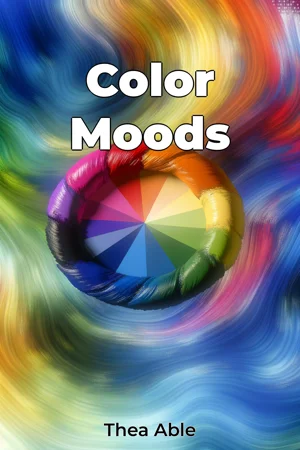
Have you ever wondered why certain colors make you feel energized, while others calm you down? Or why some cultures associate white with purity, while others use it to symbolize death? "Color Moods: The Psychology and Art of Chromatic Experience" delves deep into the fascinating world of color and its profound impact on our lives, both physically and mentally. This groundbreaking book explores the intricate relationship between color, human psychology, and artistic expression. It presents three key topics that form the cornerstone of our chromatic experience: the physiological effects of color on our bodies, the psychological associations we form with different hues, and the cultural significance of color across various societies. Understanding these aspects is crucial in today's visually-driven world, where color influences everything from our purchasing decisions to our emotional well-being. To fully appreciate the book's insights, readers will benefit from a basic understanding of color theory and human perception. The authors provide a concise historical overview of color studies, from Newton's experiments with light to modern neuropsychological research, setting the stage for a comprehensive exploration of the subject. The central argument of "Color Moods" is that color is not merely a visual phenomenon, but a powerful force that shapes our thoughts, emotions, and behaviors in ways we often underestimate. This thesis is significant because it challenges us to reconsider the role of color in our daily lives and offers new perspectives on how we can harness its power for personal and societal benefit. The book is structured to guide readers through a logical progression of ideas. It begins by introducing the fundamentals of color perception and the biology of vision. Then, it delves into the psychological effects of different colors, exploring how they influence mood, cognitive performance, and decision-making. The narrative culminates in an examination of color's role in art, design, and cultural symbolism, before concluding with practical applications of color psychology in fields such as marketing, therapy, and urban planning. To support its arguments, "Color Moods" draws upon a wealth of scientific research, including neuroscience studies, psychological experiments, and anthropological surveys. The authors also present original research, including a global study on color preferences and their correlation with personality traits. Interdisciplinary connections abound in this work. The book links color psychology to fields such as neurobiology, exploring how different wavelengths of light affect brain activity. It also delves into anthropology, examining how color symbolism varies across cultures and historical periods. Additionally, it connects to environmental psychology, discussing how the colors in our surroundings impact our well-being and productivity. What sets "Color Moods" apart is its holistic approach to the subject. While many books focus solely on either the scientific or artistic aspects of color, this work seamlessly integrates both perspectives, offering a comprehensive understanding of how color operates in our lives. The writing style strikes a balance between academic rigor and accessibility, employing a clear, engaging tone that makes complex concepts understandable to a general audience. This approach makes the book suitable for both professionals in related fields and curious laypeople interested in the power of color. "Color Moods" is particularly valuable for artists, designers, marketers, and psychologists, but its insights are relevant to anyone interested in understanding the subtle yet pervasive influence of color on human experience. The book adheres to the conventions of both art and psychology genres, blending aesthetic considerations with empirical research. While the book covers a broad range of topics related to color, it acknowledges that the field is vast and continually evolving. It focuses primarily on human perception and experience, touching only briefly on topics such as animal color vision or the physics of light. Readers will find numerous practical applications for the knowledge gained from this book. From choosing the most effective colors for a brand logo to designing more psychologically supportive living and working spaces, the insights offered have real-world implications across various domains of life. "Color Moods" also addresses ongoing debates in the field, such as the universality of color emotions and the extent to which color associations are innate versus learned. By presenting multiple perspectives on these issues, the book encourages readers to think critically about the role of color in their lives and society at large.
Have you ever wondered why certain colors make you feel energized, while others calm you down? Or why some cultures associate white with purity, while others use it to symbolize death? "Color Moods: The Psychology and Art of Chromatic Experience" delves deep into the fascinating world of color and its profound impact on our lives, both physically and mentally. This groundbreaking book explores the intricate relationship between color, human psychology, and artistic expression. It presents three key topics that form the cornerstone of our chromatic experience: the physiological effects of color on our bodies, the psychological associations we form with different hues, and the cultural significance of color across various societies. Understanding these aspects is crucial in today's visually-driven world, where color influences everything from our purchasing decisions to our emotional well-being. To fully appreciate the book's insights, readers will benefit from a basic understanding of color theory and human perception. The authors provide a concise historical overview of color studies, from Newton's experiments with light to modern neuropsychological research, setting the stage for a comprehensive exploration of the subject. The central argument of "Color Moods" is that color is not merely a visual phenomenon, but a powerful force that shapes our thoughts, emotions, and behaviors in ways we often underestimate. This thesis is significant because it challenges us to reconsider the role of color in our daily lives and offers new perspectives on how we can harness its power for personal and societal benefit. The book is structured to guide readers through a logical progression of ideas. It begins by introducing the fundamentals of color perception and the biology of vision. Then, it delves into the psychological effects of different colors, exploring how they influence mood, cognitive performance, and decision-making. The narrative culminates in an examination of color's role in art, design, and cultural symbolism, before concluding with practical applications of color psychology in fields such as marketing, therapy, and urban planning. To support its arguments, "Color Moods" draws upon a wealth of scientific research, including neuroscience studies, psychological experiments, and anthropological surveys. The authors also present original research, including a global study on color preferences and their correlation with personality traits. Interdisciplinary connections abound in this work. The book links color psychology to fields such as neurobiology, exploring how different wavelengths of light affect brain activity. It also delves into anthropology, examining how color symbolism varies across cultures and historical periods. Additionally, it connects to environmental psychology, discussing how the colors in our surroundings impact our well-being and productivity. What sets "Color Moods" apart is its holistic approach to the subject. While many books focus solely on either the scientific or artistic aspects of color, this work seamlessly integrates both perspectives, offering a comprehensive understanding of how color operates in our lives. The writing style strikes a balance between academic rigor and accessibility, employing a clear, engaging tone that makes complex concepts understandable to a general audience. This approach makes the book suitable for both professionals in related fields and curious laypeople interested in the power of color. "Color Moods" is particularly valuable for artists, designers, marketers, and psychologists, but its insights are relevant to anyone interested in understanding the subtle yet pervasive influence of color on human experience. The book adheres to the conventions of both art and psychology genres, blending aesthetic considerations with empirical research. While the book covers a broad range of topics related to color, it acknowledges that the field is vast and continually evolving. It focuses primarily on human perception and experience, touching only briefly on topics such as animal color vision or the physics of light. Readers will find numerous practical applications for the knowledge gained from this book. From choosing the most effective colors for a brand logo to designing more psychologically supportive living and working spaces, the insights offered have real-world implications across various domains of life. "Color Moods" also addresses ongoing debates in the field, such as the universality of color emotions and the extent to which color associations are innate versus learned. By presenting multiple perspectives on these issues, the book encourages readers to think critically about the role of color in their lives and society at large.
"Color Moods: The Psychology and Art of Chromatic Experience" explores the profound impact of color on our lives, delving into its physiological effects, psychological associations, and cultural significance. This groundbreaking book argues that color is not merely visual but a powerful force shaping our thoughts, emotions, and behaviors in often underestimated ways. It challenges readers to reconsider color's role in daily life and offers new perspectives on harnessing its power. The book progresses logically, starting with the fundamentals of color perception and vision biology before exploring the psychological effects of different hues on mood, cognitive performance, and decision-making. It culminates in an examination of color's role in art, design, and cultural symbolism, supported by scientific research and original studies. "Color Moods" uniquely integrates both scientific and artistic perspectives, providing a holistic understanding of chromatic experience. What sets this book apart is its interdisciplinary approach, connecting color psychology to neurobiology, anthropology, and environmental psychology. It offers practical applications for artists, designers, marketers, and psychologists, while remaining accessible to a general audience interested in the pervasive influence of color on human experience. By addressing ongoing debates and encouraging critical thinking, "Color Moods" provides valuable insights for anyone seeking to understand and harness the power of color in various aspects of life.
Book Details
ISBN
9788233932312
Publisher
Publifye AS
Your Licenses
You don't own any licenses for this book
Purchase a license below to unlock this book and download the EPUB.
Purchase License
Select a tier to unlock this book
Need bulk licensing?
Contact us for enterprise agreements.