
About This Book
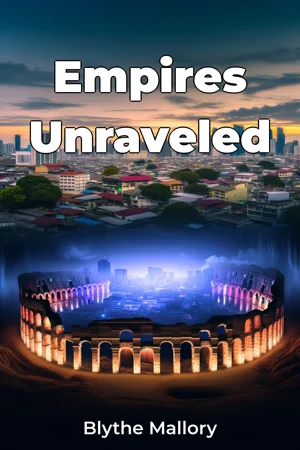
"Empires Unraveled" opens with a provocative question: "Are we living in the twilight of modern empires, or merely witnessing their evolution?" This thought-provoking inquiry sets the stage for a comprehensive exploration of imperial rise and fall throughout history, juxtaposed against the backdrop of contemporary global power dynamics. The book delves into three main topics: the lifecycle of historical empires, the transformation of colonialism in the modern era, and the emergence of new forms of global influence. These interconnected themes are crucial for understanding the complex geopolitical landscape of the 21st century and how it has been shaped by centuries of imperial ambition and decline. To provide essential context, "Empires Unraveled" begins with a concise overview of imperial history, from ancient civilizations to the colonial powers of the 19th and 20th centuries. This background equips readers with the necessary framework to grasp the book's central argument: that while traditional empires may have dissolved, the fundamental drivers of imperial ambition continue to shape our world in new and often subtle ways. The content is structured to guide readers through this argument, starting with an in-depth analysis of how classical empires grew, flourished, and ultimately collapsed. It then transitions to examine the evolution of colonialism, from direct territorial control to more nuanced forms of economic and cultural influence. Finally, the book culminates in a critical assessment of modern global power structures, exploring how nations and non-state actors wield influence in an interconnected world. To support its claims, "Empires Unraveled" draws upon a wide array of evidence, including historical records, economic data, and contemporary case studies. The author employs innovative data visualization techniques to illustrate complex historical trends, making the information accessible to a broad audience. The book's interdisciplinary approach is one of its key strengths. It bridges the gap between history, political science, and economics, demonstrating how imperial legacies continue to shape international relations, global economic systems, and cultural exchanges. Additionally, it explores the psychological and sociological factors that drive the desire for expansion and dominance, both in individuals and nation-states. What sets "Empires Unraveled" apart is its unique perspective on the cyclical nature of power. Rather than viewing the end of traditional empires as a finite historical event, it posits that imperial ambitions have simply adapted to a new global context. This fresh take challenges readers to reconsider their understanding of contemporary power dynamics. The book adopts a scholarly yet accessible tone, blending academic rigor with engaging narrative elements. This approach makes complex historical and political concepts understandable to a wide range of readers, from students and academics to policymakers and history enthusiasts. While the primary audience includes those interested in world history and current events, the book's insights are valuable for anyone seeking to understand the forces shaping our global society. Business leaders, diplomats, and informed citizens will find practical applications in the book's analysis of international power dynamics and emerging global trends. True to its genre, "Empires Unraveled" maintains a commitment to factual accuracy and comprehensive research. It adheres to the conventions of historical non-fiction while incorporating elements of contemporary analysis, creating a bridge between past and present. The scope of the book is ambitious, covering millennia of human history and spanning the globe. However, it acknowledges its limitations, focusing primarily on major empires and influential colonial powers rather than attempting an exhaustive catalog of every historical power structure. Readers will find practical value in the book's concluding chapters, which offer frameworks for analyzing current events through the lens of historical imperial patterns. This section empowers readers to apply historical insights to contemporary geopolitical situations, enhancing their understanding of global affairs. "Empires Unraveled" does not shy away from addressing controversial topics, including ongoing debates about reparations for colonial exploitation and the ethics of modern economic imperialism. It presents multiple perspectives on these issues, encouraging readers to engage critically with the material. In sum, "Empires Unraveled" offers a compelling, well-researched exploration of how empires have shaped our world and continue to influence global dynamics. By illuminating the threads that connect historical empires to modern power structures, the book provides readers with a powerful tool for understanding and navigating our complex, interconnected world.
"Empires Unraveled" opens with a provocative question: "Are we living in the twilight of modern empires, or merely witnessing their evolution?" This thought-provoking inquiry sets the stage for a comprehensive exploration of imperial rise and fall throughout history, juxtaposed against the backdrop of contemporary global power dynamics. The book delves into three main topics: the lifecycle of historical empires, the transformation of colonialism in the modern era, and the emergence of new forms of global influence. These interconnected themes are crucial for understanding the complex geopolitical landscape of the 21st century and how it has been shaped by centuries of imperial ambition and decline. To provide essential context, "Empires Unraveled" begins with a concise overview of imperial history, from ancient civilizations to the colonial powers of the 19th and 20th centuries. This background equips readers with the necessary framework to grasp the book's central argument: that while traditional empires may have dissolved, the fundamental drivers of imperial ambition continue to shape our world in new and often subtle ways. The content is structured to guide readers through this argument, starting with an in-depth analysis of how classical empires grew, flourished, and ultimately collapsed. It then transitions to examine the evolution of colonialism, from direct territorial control to more nuanced forms of economic and cultural influence. Finally, the book culminates in a critical assessment of modern global power structures, exploring how nations and non-state actors wield influence in an interconnected world. To support its claims, "Empires Unraveled" draws upon a wide array of evidence, including historical records, economic data, and contemporary case studies. The author employs innovative data visualization techniques to illustrate complex historical trends, making the information accessible to a broad audience. The book's interdisciplinary approach is one of its key strengths. It bridges the gap between history, political science, and economics, demonstrating how imperial legacies continue to shape international relations, global economic systems, and cultural exchanges. Additionally, it explores the psychological and sociological factors that drive the desire for expansion and dominance, both in individuals and nation-states. What sets "Empires Unraveled" apart is its unique perspective on the cyclical nature of power. Rather than viewing the end of traditional empires as a finite historical event, it posits that imperial ambitions have simply adapted to a new global context. This fresh take challenges readers to reconsider their understanding of contemporary power dynamics. The book adopts a scholarly yet accessible tone, blending academic rigor with engaging narrative elements. This approach makes complex historical and political concepts understandable to a wide range of readers, from students and academics to policymakers and history enthusiasts. While the primary audience includes those interested in world history and current events, the book's insights are valuable for anyone seeking to understand the forces shaping our global society. Business leaders, diplomats, and informed citizens will find practical applications in the book's analysis of international power dynamics and emerging global trends. True to its genre, "Empires Unraveled" maintains a commitment to factual accuracy and comprehensive research. It adheres to the conventions of historical non-fiction while incorporating elements of contemporary analysis, creating a bridge between past and present. The scope of the book is ambitious, covering millennia of human history and spanning the globe. However, it acknowledges its limitations, focusing primarily on major empires and influential colonial powers rather than attempting an exhaustive catalog of every historical power structure. Readers will find practical value in the book's concluding chapters, which offer frameworks for analyzing current events through the lens of historical imperial patterns. This section empowers readers to apply historical insights to contemporary geopolitical situations, enhancing their understanding of global affairs. "Empires Unraveled" does not shy away from addressing controversial topics, including ongoing debates about reparations for colonial exploitation and the ethics of modern economic imperialism. It presents multiple perspectives on these issues, encouraging readers to engage critically with the material. In sum, "Empires Unraveled" offers a compelling, well-researched exploration of how empires have shaped our world and continue to influence global dynamics. By illuminating the threads that connect historical empires to modern power structures, the book provides readers with a powerful tool for understanding and navigating our complex, interconnected world.
"Empires Unraveled" explores the evolution of imperial power throughout history and its impact on contemporary global dynamics. This thought-provoking book examines the lifecycle of historical empires, the transformation of colonialism, and the emergence of new forms of global influence. By tracing the patterns of imperial rise and fall, the author argues that while traditional empires may have dissolved, the fundamental drivers of imperial ambition continue to shape our world in subtle ways. The book's unique perspective on the cyclical nature of power sets it apart, challenging readers to reconsider their understanding of current geopolitical landscapes. It employs innovative data visualization techniques to illustrate complex historical trends, making the information accessible to a broad audience. By bridging the gap between history, political science, and economics, "Empires Unraveled" demonstrates how imperial legacies continue to influence international relations and global economic systems. Progressing from ancient civilizations to modern power structures, the book guides readers through a comprehensive analysis of imperial history. It culminates in a critical assessment of contemporary global influence, offering practical frameworks for analyzing current events through the lens of historical patterns. This approach empowers readers to apply historical insights to present-day geopolitical situations, making it an invaluable resource for anyone seeking to understand the forces shaping our interconnected world.
Book Details
ISBN
9788233932220
Publisher
Publifye AS
Your Licenses
You don't own any licenses for this book
Purchase a license below to unlock this book and download the EPUB.
Purchase License
Select a tier to unlock this book
Need bulk licensing?
Contact us for enterprise agreements.