
About This Book
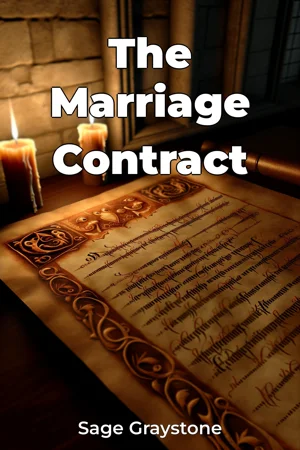
"What if everything you thought you knew about marriage was based on a thousand-year-old contract that's been quietly evolving beneath our noses?" This provocative question opens "The Marriage Contract," a groundbreaking exploration of the institution of marriage and its legal foundations. The book delves deep into the historical, social, and economic aspects of marriage, with a particular focus on the often-misunderstood concept of dowry. At its core, "The Marriage Contract" examines three main topics: the legal evolution of marriage, the changing roles of spouses, and the economic implications of matrimony. These topics are crucial for understanding not just the history of marriage, but also its present state and future trajectory. By exploring these themes, readers gain insight into the very fabric of society and how it has been shaped by this fundamental institution. The book provides essential historical context, tracing the marriage contract from its roots in ancient civilizations through medieval Europe and into the modern era. It explores how marriage has transformed from a primarily economic arrangement to a romantic partnership, and how this shift has influenced societal norms and expectations. This historical journey is vital for readers to understand the complex tapestry of traditions, laws, and cultural practices that have shaped contemporary marriage. Central to the book's argument is the idea that marriage, far from being a static institution, is a dynamic social contract that has continuously adapted to changing societal needs and values. The author posits that understanding this evolution is crucial for addressing current debates surrounding marriage equality, divorce laws, and the very definition of family. The content is structured to guide readers through this complex topic. It begins by introducing the concept of marriage as a legal and social contract, then delves into the historical development of marriage laws and customs. The book pays special attention to the role of dowry, examining its original purpose as a form of financial protection for wives and its eventual transformation and decline. The narrative culminates in an analysis of modern marriage, exploring how historical practices continue to influence current norms and legal structures. To support its arguments, "The Marriage Contract" draws on a wide range of evidence, including historical documents, legal records, sociological studies, and economic analyses. The author employs a unique interdisciplinary approach, combining methods from history, sociology, economics, and legal studies to provide a comprehensive view of the subject. The book makes compelling connections to fields such as gender studies, examining how changing marital norms have influenced gender roles and vice versa. It also explores links to economics, discussing how marriage has functioned as an economic institution throughout history. These interdisciplinary connections provide readers with a holistic understanding of marriage's far-reaching impact on society. What sets "The Marriage Contract" apart is its innovative approach to a familiar topic. By framing marriage as an evolving contract, the book offers a fresh perspective that challenges readers to reconsider their assumptions about this age-old institution. The writing style strikes a balance between academic rigor and accessibility, making complex legal and historical concepts understandable to a general audience. This book is primarily aimed at readers interested in social history, family law, and gender studies. However, its insights are valuable to anyone seeking to understand the nature of modern relationships and family structures. It speaks to ongoing debates about marriage equality, divorce reform, and the changing nature of family, offering historical context to these contemporary issues. While comprehensive in its coverage of Western marriage traditions, the book acknowledges its limitations in addressing marriage customs from all cultures. It focuses primarily on the European and North American context, using this as a lens to examine broader trends in the evolution of marriage. "The Marriage Contract" offers practical insights for readers, whether they're considering marriage, working in fields related to family law, or simply interested in understanding the historical forces that shape our most intimate relationships. By illuminating the past, it provides tools for navigating the complex landscape of modern marriage and family life. In essence, "The Marriage Contract" is not just a history book, but a roadmap for understanding one of humanity's most enduring and evolving institutions. It challenges readers to reconsider their perceptions of marriage, offering a nuanced and enlightening exploration of an institution that continues to be at the heart of human society.
"What if everything you thought you knew about marriage was based on a thousand-year-old contract that's been quietly evolving beneath our noses?" This provocative question opens "The Marriage Contract," a groundbreaking exploration of the institution of marriage and its legal foundations. The book delves deep into the historical, social, and economic aspects of marriage, with a particular focus on the often-misunderstood concept of dowry. At its core, "The Marriage Contract" examines three main topics: the legal evolution of marriage, the changing roles of spouses, and the economic implications of matrimony. These topics are crucial for understanding not just the history of marriage, but also its present state and future trajectory. By exploring these themes, readers gain insight into the very fabric of society and how it has been shaped by this fundamental institution. The book provides essential historical context, tracing the marriage contract from its roots in ancient civilizations through medieval Europe and into the modern era. It explores how marriage has transformed from a primarily economic arrangement to a romantic partnership, and how this shift has influenced societal norms and expectations. This historical journey is vital for readers to understand the complex tapestry of traditions, laws, and cultural practices that have shaped contemporary marriage. Central to the book's argument is the idea that marriage, far from being a static institution, is a dynamic social contract that has continuously adapted to changing societal needs and values. The author posits that understanding this evolution is crucial for addressing current debates surrounding marriage equality, divorce laws, and the very definition of family. The content is structured to guide readers through this complex topic. It begins by introducing the concept of marriage as a legal and social contract, then delves into the historical development of marriage laws and customs. The book pays special attention to the role of dowry, examining its original purpose as a form of financial protection for wives and its eventual transformation and decline. The narrative culminates in an analysis of modern marriage, exploring how historical practices continue to influence current norms and legal structures. To support its arguments, "The Marriage Contract" draws on a wide range of evidence, including historical documents, legal records, sociological studies, and economic analyses. The author employs a unique interdisciplinary approach, combining methods from history, sociology, economics, and legal studies to provide a comprehensive view of the subject. The book makes compelling connections to fields such as gender studies, examining how changing marital norms have influenced gender roles and vice versa. It also explores links to economics, discussing how marriage has functioned as an economic institution throughout history. These interdisciplinary connections provide readers with a holistic understanding of marriage's far-reaching impact on society. What sets "The Marriage Contract" apart is its innovative approach to a familiar topic. By framing marriage as an evolving contract, the book offers a fresh perspective that challenges readers to reconsider their assumptions about this age-old institution. The writing style strikes a balance between academic rigor and accessibility, making complex legal and historical concepts understandable to a general audience. This book is primarily aimed at readers interested in social history, family law, and gender studies. However, its insights are valuable to anyone seeking to understand the nature of modern relationships and family structures. It speaks to ongoing debates about marriage equality, divorce reform, and the changing nature of family, offering historical context to these contemporary issues. While comprehensive in its coverage of Western marriage traditions, the book acknowledges its limitations in addressing marriage customs from all cultures. It focuses primarily on the European and North American context, using this as a lens to examine broader trends in the evolution of marriage. "The Marriage Contract" offers practical insights for readers, whether they're considering marriage, working in fields related to family law, or simply interested in understanding the historical forces that shape our most intimate relationships. By illuminating the past, it provides tools for navigating the complex landscape of modern marriage and family life. In essence, "The Marriage Contract" is not just a history book, but a roadmap for understanding one of humanity's most enduring and evolving institutions. It challenges readers to reconsider their perceptions of marriage, offering a nuanced and enlightening exploration of an institution that continues to be at the heart of human society.
Book Details
ISBN
9788233932091
Publisher
Publifye AS
Your Licenses
You don't own any licenses for this book
Purchase a license below to unlock this book and download the EPUB.
Purchase License
Select a tier to unlock this book
Need bulk licensing?
Contact us for enterprise agreements.