
About This Book
"Have you ever wondered why 'phonetic' isn't spelled the way it sounds?" This intriguing question opens the door to a fascinating exploration of the English language in "Weird Words," a captivating journey through the peculiarities and eccentricities of our everyday communication. "Weird Words" delves into three main topics: etymology, linguistic anomalies, and the evolution of language. By understanding the origins of words, the quirks in our grammar, and how language changes over time, readers gain a deeper appreciation for the complexity and beauty of English. These topics are crucial for anyone seeking to enhance their communication skills, expand their vocabulary, or simply satisfy their curiosity about the language they use daily. To fully grasp the concepts presented, the book provides essential historical context, tracing the development of English from its Germanic roots through various influences, including Latin, French, and numerous other languages. Readers are introduced to key linguistic concepts, such as morphology and phonetics, which serve as a foundation for understanding the book's more complex ideas. The central argument of "Weird Words" is that the apparent inconsistencies and oddities in English are not merely frustrating obstacles but fascinating windows into the rich tapestry of human culture and history. By embracing these peculiarities, we can become more effective communicators and gain a deeper understanding of our linguistic heritage. The book is structured to guide readers through this linguistic labyrinth. It begins by introducing fundamental concepts of language structure, then explores specific categories of weird words, such as contronyms (words that are their own opposites) and ghost words (words that came into existence due to printing errors). The narrative culminates in an examination of how these linguistic oddities shape our perception of the world and influence modern communication. To support its arguments, "Weird Words" draws on a diverse array of evidence, including historical documents, etymological studies, and cutting-edge linguistic research. The book also incorporates unique data from corpus linguistics, analyzing vast collections of text to reveal patterns and trends in language use. Interdisciplinary connections abound, linking linguistics to psychology, exploring how our brains process these linguistic oddities, and to sociology, examining how weird words reflect and shape societal norms. The book also touches on computer science, discussing how understanding language quirks is crucial for developing more advanced natural language processing systems. What sets "Weird Words" apart is its innovative approach to presenting linguistic concepts. Rather than a dry academic tome, it employs a blend of storytelling, humor, and interactive elements to engage readers. Each chapter includes "Word Wizard" challenges, inviting readers to solve linguistic puzzles and apply their newfound knowledge. The writing style strikes a balance between scholarly rigor and accessibility, using a conversational tone to explain complex concepts without oversimplification. This approach makes the book appealing to a wide audience, from language enthusiasts and students to professionals seeking to enhance their communication skills. "Weird Words" is particularly valuable for writers, educators, and anyone working in fields where precise communication is crucial. It offers practical insights into crafting more engaging prose, avoiding common linguistic pitfalls, and leveraging the power of weird words to enhance expression. While the book primarily focuses on English, it acknowledges the global nature of language, touching on how English's weirdness compares to other languages. However, it intentionally limits its scope to maintain depth in its exploration of English peculiarities. Readers can apply the book's insights in various ways, from enhancing their writing and public speaking to developing a more nuanced understanding of marketing and branding language. The book also provides tools for decoding unfamiliar words and phrases, empowering readers to continually expand their linguistic horizons. "Weird Words" doesn't shy away from controversies in the linguistic world, addressing debates such as the descriptive versus prescriptive approaches to grammar and the impact of internet communication on language evolution. By the end of "Weird Words," readers will not only have a wealth of linguistic trivia at their fingertips but also a profound appreciation for the weird and wonderful world of the English language. This book transforms what might seem like useless quirks into a celebration of the living, breathing entity that is language, inviting readers to embrace the weird and become more conscious, creative users of English.
"Have you ever wondered why 'phonetic' isn't spelled the way it sounds?" This intriguing question opens the door to a fascinating exploration of the English language in "Weird Words," a captivating journey through the peculiarities and eccentricities of our everyday communication. "Weird Words" delves into three main topics: etymology, linguistic anomalies, and the evolution of language. By understanding the origins of words, the quirks in our grammar, and how language changes over time, readers gain a deeper appreciation for the complexity and beauty of English. These topics are crucial for anyone seeking to enhance their communication skills, expand their vocabulary, or simply satisfy their curiosity about the language they use daily. To fully grasp the concepts presented, the book provides essential historical context, tracing the development of English from its Germanic roots through various influences, including Latin, French, and numerous other languages. Readers are introduced to key linguistic concepts, such as morphology and phonetics, which serve as a foundation for understanding the book's more complex ideas. The central argument of "Weird Words" is that the apparent inconsistencies and oddities in English are not merely frustrating obstacles but fascinating windows into the rich tapestry of human culture and history. By embracing these peculiarities, we can become more effective communicators and gain a deeper understanding of our linguistic heritage. The book is structured to guide readers through this linguistic labyrinth. It begins by introducing fundamental concepts of language structure, then explores specific categories of weird words, such as contronyms (words that are their own opposites) and ghost words (words that came into existence due to printing errors). The narrative culminates in an examination of how these linguistic oddities shape our perception of the world and influence modern communication. To support its arguments, "Weird Words" draws on a diverse array of evidence, including historical documents, etymological studies, and cutting-edge linguistic research. The book also incorporates unique data from corpus linguistics, analyzing vast collections of text to reveal patterns and trends in language use. Interdisciplinary connections abound, linking linguistics to psychology, exploring how our brains process these linguistic oddities, and to sociology, examining how weird words reflect and shape societal norms. The book also touches on computer science, discussing how understanding language quirks is crucial for developing more advanced natural language processing systems. What sets "Weird Words" apart is its innovative approach to presenting linguistic concepts. Rather than a dry academic tome, it employs a blend of storytelling, humor, and interactive elements to engage readers. Each chapter includes "Word Wizard" challenges, inviting readers to solve linguistic puzzles and apply their newfound knowledge. The writing style strikes a balance between scholarly rigor and accessibility, using a conversational tone to explain complex concepts without oversimplification. This approach makes the book appealing to a wide audience, from language enthusiasts and students to professionals seeking to enhance their communication skills. "Weird Words" is particularly valuable for writers, educators, and anyone working in fields where precise communication is crucial. It offers practical insights into crafting more engaging prose, avoiding common linguistic pitfalls, and leveraging the power of weird words to enhance expression. While the book primarily focuses on English, it acknowledges the global nature of language, touching on how English's weirdness compares to other languages. However, it intentionally limits its scope to maintain depth in its exploration of English peculiarities. Readers can apply the book's insights in various ways, from enhancing their writing and public speaking to developing a more nuanced understanding of marketing and branding language. The book also provides tools for decoding unfamiliar words and phrases, empowering readers to continually expand their linguistic horizons. "Weird Words" doesn't shy away from controversies in the linguistic world, addressing debates such as the descriptive versus prescriptive approaches to grammar and the impact of internet communication on language evolution. By the end of "Weird Words," readers will not only have a wealth of linguistic trivia at their fingertips but also a profound appreciation for the weird and wonderful world of the English language. This book transforms what might seem like useless quirks into a celebration of the living, breathing entity that is language, inviting readers to embrace the weird and become more conscious, creative users of English.
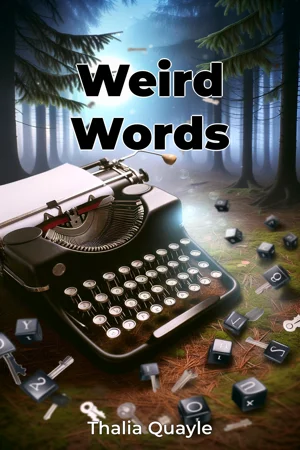
"Weird Words" takes readers on a captivating journey through the peculiarities of the English language, exploring etymology, linguistic anomalies, and language evolution. This engaging book delves into the origins of words, grammar quirks, and the fascinating ways language changes over time, offering readers a deeper appreciation for the complexity of English. From contronyms (words that are their own opposites) to ghost words (created by printing errors), the book showcases the rich tapestry of linguistic oddities that shape our communication. At its core, "Weird Words" argues that these apparent inconsistencies are not mere obstacles but windows into human culture and history. The book progresses from fundamental language concepts to specific categories of weird words, culminating in an examination of how these peculiarities influence modern communication. Drawing on historical documents, etymological studies, and corpus linguistics, it presents a blend of scholarly insight and accessible explanations. What sets this book apart is its innovative approach, combining storytelling, humor, and interactive elements like "Word Wizard" challenges. By balancing academic rigor with a conversational tone, "Weird Words" appeals to a wide audience, from language enthusiasts to professionals seeking to enhance their communication skills. It transforms seemingly useless quirks into a celebration of language, inviting readers to embrace the weird and become more conscious, creative users of English.
Book Details
ISBN
9788233932008
Publisher
Publifye AS
Your Licenses
You don't own any licenses for this book
Purchase a license below to unlock this book and download the EPUB.
Purchase License
Select a tier to unlock this book
Need bulk licensing?
Contact us for enterprise agreements.