
About This Book
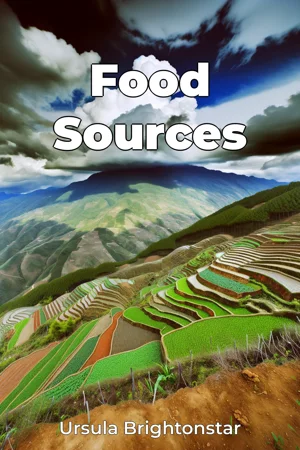
"What if the food on your plate could tell you a story about the world's climate?" This provocative question opens "Global Gastronomy: How Climate Shapes Our Food," a comprehensive exploration of the intricate relationship between climate and food production across the planet. This engaging non-fiction work delves into the heart of our global food system, revealing how the foods we eat are inextricably linked to the environments in which they grow. The book focuses on three key topics: the major food sources that sustain the world's population, the diverse climatic conditions that influence agriculture, and the increasing challenges posed by climate change to food security. These topics are crucial for understanding not only our current global food landscape but also the future of sustenance on our planet. To provide context, the book begins with a historical overview of agriculture, tracing its evolution from early farming practices to modern industrial agriculture. It examines how different cultures have adapted their diets and farming techniques to local climates over millennia, setting the stage for our current global food system. The central argument of "Global Gastronomy" is that climate is the primary driver of food production patterns worldwide, and that understanding this relationship is essential for addressing future food security challenges. This thesis is developed through a carefully structured narrative that first introduces readers to the concept of climate zones and their characteristic crops. The book is divided into three main sections. The first explores major food sources, from staple grains like rice and wheat to fruits, vegetables, and animal products. Each chapter within this section examines a different food group, detailing its nutritional value, cultural significance, and climatic requirements. The second section delves into the various climate types around the world, from tropical rainforests to arid deserts, explaining how each shapes local agriculture. This part of the book also highlights unique farming practices that have evolved in response to challenging climates, such as terraced rice paddies in Southeast Asia or greenhouse cultivation in the Netherlands. The final section addresses the looming specter of climate change and its potential impacts on global food production. It examines current research on shifting agricultural zones, changing precipitation patterns, and the increasing frequency of extreme weather events. This section culminates in a discussion of potential solutions, including climate-smart agriculture, genetic modification, and changes in dietary habits. To support its arguments, "Global Gastronomy" draws on a wide range of evidence, including agricultural statistics, climate data, and case studies from around the world. The authors have conducted extensive field research, visiting farms and food production facilities on six continents to provide firsthand accounts of how climate influences agriculture in different regions. The book makes interdisciplinary connections between climatology, agriculture, nutrition, and cultural anthropology. It also touches on economics, exploring how climate-driven changes in food production could impact global trade and food prices. What sets "Global Gastronomy" apart is its holistic approach to the subject matter. Rather than focusing solely on either climate science or agriculture, it weaves together multiple disciplines to present a comprehensive picture of our global food system. The writing style is accessible yet informative, blending scientific explanations with vivid descriptions and personal anecdotes from farmers and food producers around the world. This book is primarily aimed at environmentally conscious readers, food enthusiasts, and students of environmental science or agriculture. However, its engaging style and global perspective make it accessible to anyone interested in the future of food and the environment. As a work of narrative non-fiction that spans both the travel and nature genres, "Global Gastronomy" takes readers on a journey around the world, exploring diverse landscapes and cultures through the lens of food production. It includes detailed descriptions of different environments and agricultural practices, as well as profiles of innovative farmers and researchers working to address climate-related challenges. While the book covers a broad range of topics related to climate and food, it acknowledges that it cannot exhaustively address every aspect of global agriculture. Instead, it focuses on providing a comprehensive overview that highlights key issues and trends. Readers will find practical applications for the knowledge gained from this book, from making more climate-conscious food choices to understanding the broader implications of their dietary habits. The book also provides insights for those interested in sustainable agriculture or food security policy. "Global Gastronomy" doesn't shy away from addressing controversies in the field, such as the debate over genetically modified crops or the role of meat consumption in climate change. It presents multiple viewpoints on these issues, encouraging readers to think critically about the complex challenges facing our global food system. In sum, "Global Gastronomy: How Climate Shapes Our Food" offers a timely and important exploration of the intricate connections between climate and food production. By illuminating these relationships, it provides readers with a deeper understanding of the food on their plates and the environmental forces that bring it there.
"What if the food on your plate could tell you a story about the world's climate?" This provocative question opens "Global Gastronomy: How Climate Shapes Our Food," a comprehensive exploration of the intricate relationship between climate and food production across the planet. This engaging non-fiction work delves into the heart of our global food system, revealing how the foods we eat are inextricably linked to the environments in which they grow. The book focuses on three key topics: the major food sources that sustain the world's population, the diverse climatic conditions that influence agriculture, and the increasing challenges posed by climate change to food security. These topics are crucial for understanding not only our current global food landscape but also the future of sustenance on our planet. To provide context, the book begins with a historical overview of agriculture, tracing its evolution from early farming practices to modern industrial agriculture. It examines how different cultures have adapted their diets and farming techniques to local climates over millennia, setting the stage for our current global food system. The central argument of "Global Gastronomy" is that climate is the primary driver of food production patterns worldwide, and that understanding this relationship is essential for addressing future food security challenges. This thesis is developed through a carefully structured narrative that first introduces readers to the concept of climate zones and their characteristic crops. The book is divided into three main sections. The first explores major food sources, from staple grains like rice and wheat to fruits, vegetables, and animal products. Each chapter within this section examines a different food group, detailing its nutritional value, cultural significance, and climatic requirements. The second section delves into the various climate types around the world, from tropical rainforests to arid deserts, explaining how each shapes local agriculture. This part of the book also highlights unique farming practices that have evolved in response to challenging climates, such as terraced rice paddies in Southeast Asia or greenhouse cultivation in the Netherlands. The final section addresses the looming specter of climate change and its potential impacts on global food production. It examines current research on shifting agricultural zones, changing precipitation patterns, and the increasing frequency of extreme weather events. This section culminates in a discussion of potential solutions, including climate-smart agriculture, genetic modification, and changes in dietary habits. To support its arguments, "Global Gastronomy" draws on a wide range of evidence, including agricultural statistics, climate data, and case studies from around the world. The authors have conducted extensive field research, visiting farms and food production facilities on six continents to provide firsthand accounts of how climate influences agriculture in different regions. The book makes interdisciplinary connections between climatology, agriculture, nutrition, and cultural anthropology. It also touches on economics, exploring how climate-driven changes in food production could impact global trade and food prices. What sets "Global Gastronomy" apart is its holistic approach to the subject matter. Rather than focusing solely on either climate science or agriculture, it weaves together multiple disciplines to present a comprehensive picture of our global food system. The writing style is accessible yet informative, blending scientific explanations with vivid descriptions and personal anecdotes from farmers and food producers around the world. This book is primarily aimed at environmentally conscious readers, food enthusiasts, and students of environmental science or agriculture. However, its engaging style and global perspective make it accessible to anyone interested in the future of food and the environment. As a work of narrative non-fiction that spans both the travel and nature genres, "Global Gastronomy" takes readers on a journey around the world, exploring diverse landscapes and cultures through the lens of food production. It includes detailed descriptions of different environments and agricultural practices, as well as profiles of innovative farmers and researchers working to address climate-related challenges. While the book covers a broad range of topics related to climate and food, it acknowledges that it cannot exhaustively address every aspect of global agriculture. Instead, it focuses on providing a comprehensive overview that highlights key issues and trends. Readers will find practical applications for the knowledge gained from this book, from making more climate-conscious food choices to understanding the broader implications of their dietary habits. The book also provides insights for those interested in sustainable agriculture or food security policy. "Global Gastronomy" doesn't shy away from addressing controversies in the field, such as the debate over genetically modified crops or the role of meat consumption in climate change. It presents multiple viewpoints on these issues, encouraging readers to think critically about the complex challenges facing our global food system. In sum, "Global Gastronomy: How Climate Shapes Our Food" offers a timely and important exploration of the intricate connections between climate and food production. By illuminating these relationships, it provides readers with a deeper understanding of the food on their plates and the environmental forces that bring it there.
Food Sources: How Climate Shapes Our Food explores the intricate relationship between climate and food production worldwide, offering a comprehensive look at how our meals are influenced by environmental factors. This engaging book delves into major food sources, diverse climatic conditions, and the challenges posed by climate change to food security. It highlights fascinating facts, such as how different cultures have adapted their diets and farming techniques to local climates over millennia, and how unique farming practices like terraced rice paddies in Southeast Asia have evolved in response to challenging environments. The book is structured in three main sections, examining major food sources, various climate types and their impact on agriculture, and the potential effects of climate change on global food production. It takes readers on a journey across six continents, providing firsthand accounts of how climate influences agriculture in different regions. By weaving together multiple disciplines, including climatology, agriculture, and cultural anthropology, Food Sources presents a holistic view of our global food system. What sets this book apart is its accessible yet informative approach, blending scientific explanations with vivid descriptions and personal anecdotes from farmers and food producers around the world. It offers practical insights for readers interested in making climate-conscious food choices and understanding the broader implications of their dietary habits, making it a valuable resource for environmentally conscious individuals, food enthusiasts, and students of environmental science or agriculture.
Book Details
ISBN
9788233931889
Publisher
Publifye AS
Your Licenses
You don't own any licenses for this book
Purchase a license below to unlock this book and download the EPUB.
Purchase License
Select a tier to unlock this book
Need bulk licensing?
Contact us for enterprise agreements.