
About This Book
"What do the hearths of ancient Rome, the bustling kitchens of modern Tokyo, and the cozy dining rooms of rural America have in common?" This compelling question opens "Hearth and Home: A Global Journey Through Culinary Traditions and Family Dynamics," a comprehensive exploration of how cooking and family life intertwine across cultures and time. The book delves into three main topics: the evolution of cooking traditions, the role of food in shaping family dynamics, and the impact of globalization on both. These themes are crucial for understanding how our most fundamental human experiences—eating and family life—have been shaped by history, culture, and technological advancements. To provide context, the book begins with an overview of early human societies and how the discovery of fire revolutionized both cooking and social structures. This historical foundation is essential for readers to grasp the long-standing connection between food preparation and family organization. The central argument posits that cooking traditions and family dynamics are inextricably linked, each influencing and reinforcing the other throughout history. This thesis is significant as it offers a unique lens through which to view cultural development and social change. The book's structure follows a chronological and geographical journey. It starts with ancient civilizations, exploring how their cooking methods reflected and shaped family roles. The narrative then progresses through major historical periods, examining how events like the Agricultural Revolution and the Industrial Revolution transformed both cuisine and family structures. Finally, it arrives at the present day, analyzing how modern trends like fusion cuisine and changing family dynamics are altering age-old traditions. To support its arguments, the book draws on a wide range of evidence, including archaeological findings, historical records, sociological studies, and contemporary surveys. Unique data sources include analyses of ancient cookware, family genealogies, and cutting-edge research on the psychology of shared meals. Interdisciplinary connections are a key strength of the book. It links culinary history with anthropology, showing how food preparation techniques influenced human evolution. It also explores the intersection of gastronomy and economics, examining how trade routes and economic systems have shaped global cuisine. Additionally, it delves into the psychology of family dynamics, investigating how shared meals impact emotional bonds and communication patterns. The book's unique approach lies in its global, comparative perspective. Rather than focusing on a single culture or time period, it draws connections across civilizations, highlighting both universal patterns and fascinating divergences in how different societies approach cooking and family life. Written in an engaging, narrative non-fiction style, the book balances scholarly rigor with accessible prose. It employs vivid descriptions of historical kitchens and family gatherings, interspersed with analysis of social trends and cultural shifts. While the book will appeal to a broad audience interested in food, history, and culture, it is particularly valuable for sociologists, anthropologists, and culinary professionals seeking a comprehensive understanding of how cooking and family life have co-evolved. In keeping with its focus on relationships and history, the book pays special attention to how cooking traditions have been passed down through generations and how they've adapted to changing family structures. It also explores the rituals and customs surrounding family meals across different cultures. The scope of the book is ambitious, covering a vast swath of human history and a wide range of cultures. However, it acknowledges its limitations, noting that it can't provide an exhaustive account of every culinary tradition or family structure. Readers will find practical applications throughout the book, from insights on how to strengthen family bonds through shared cooking experiences to tips on incorporating diverse culinary traditions into their own lives. The book doesn't shy away from addressing controversies, such as the debate over the impact of convenience foods on family cohesion or the cultural appropriation of traditional cuisines. "Hearth and Home" offers a rich, multifaceted exploration of how the fundamental human experiences of cooking and family life have shaped our world. By tracing the intertwined evolution of culinary traditions and family dynamics, it provides readers with a new perspective on their own cultural heritage and the shared human experience of breaking bread together.
"What do the hearths of ancient Rome, the bustling kitchens of modern Tokyo, and the cozy dining rooms of rural America have in common?" This compelling question opens "Hearth and Home: A Global Journey Through Culinary Traditions and Family Dynamics," a comprehensive exploration of how cooking and family life intertwine across cultures and time. The book delves into three main topics: the evolution of cooking traditions, the role of food in shaping family dynamics, and the impact of globalization on both. These themes are crucial for understanding how our most fundamental human experiences—eating and family life—have been shaped by history, culture, and technological advancements. To provide context, the book begins with an overview of early human societies and how the discovery of fire revolutionized both cooking and social structures. This historical foundation is essential for readers to grasp the long-standing connection between food preparation and family organization. The central argument posits that cooking traditions and family dynamics are inextricably linked, each influencing and reinforcing the other throughout history. This thesis is significant as it offers a unique lens through which to view cultural development and social change. The book's structure follows a chronological and geographical journey. It starts with ancient civilizations, exploring how their cooking methods reflected and shaped family roles. The narrative then progresses through major historical periods, examining how events like the Agricultural Revolution and the Industrial Revolution transformed both cuisine and family structures. Finally, it arrives at the present day, analyzing how modern trends like fusion cuisine and changing family dynamics are altering age-old traditions. To support its arguments, the book draws on a wide range of evidence, including archaeological findings, historical records, sociological studies, and contemporary surveys. Unique data sources include analyses of ancient cookware, family genealogies, and cutting-edge research on the psychology of shared meals. Interdisciplinary connections are a key strength of the book. It links culinary history with anthropology, showing how food preparation techniques influenced human evolution. It also explores the intersection of gastronomy and economics, examining how trade routes and economic systems have shaped global cuisine. Additionally, it delves into the psychology of family dynamics, investigating how shared meals impact emotional bonds and communication patterns. The book's unique approach lies in its global, comparative perspective. Rather than focusing on a single culture or time period, it draws connections across civilizations, highlighting both universal patterns and fascinating divergences in how different societies approach cooking and family life. Written in an engaging, narrative non-fiction style, the book balances scholarly rigor with accessible prose. It employs vivid descriptions of historical kitchens and family gatherings, interspersed with analysis of social trends and cultural shifts. While the book will appeal to a broad audience interested in food, history, and culture, it is particularly valuable for sociologists, anthropologists, and culinary professionals seeking a comprehensive understanding of how cooking and family life have co-evolved. In keeping with its focus on relationships and history, the book pays special attention to how cooking traditions have been passed down through generations and how they've adapted to changing family structures. It also explores the rituals and customs surrounding family meals across different cultures. The scope of the book is ambitious, covering a vast swath of human history and a wide range of cultures. However, it acknowledges its limitations, noting that it can't provide an exhaustive account of every culinary tradition or family structure. Readers will find practical applications throughout the book, from insights on how to strengthen family bonds through shared cooking experiences to tips on incorporating diverse culinary traditions into their own lives. The book doesn't shy away from addressing controversies, such as the debate over the impact of convenience foods on family cohesion or the cultural appropriation of traditional cuisines. "Hearth and Home" offers a rich, multifaceted exploration of how the fundamental human experiences of cooking and family life have shaped our world. By tracing the intertwined evolution of culinary traditions and family dynamics, it provides readers with a new perspective on their own cultural heritage and the shared human experience of breaking bread together.
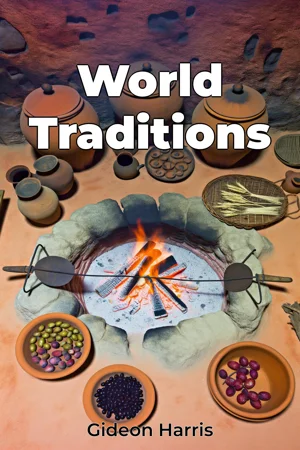
"World Traditions" takes readers on a captivating journey through the intertwined realms of culinary traditions and family dynamics across cultures and time. This illuminating book explores how cooking practices and family structures have co-evolved, shaping human societies from ancient hearths to modern kitchens. By examining the evolution of cooking traditions, the role of food in family life, and the impact of globalization, the book offers a unique perspective on cultural development and social change. The narrative unfolds chronologically and geographically, starting with early human societies and progressing through major historical periods to the present day. Drawing on archaeological findings, historical records, and contemporary research, the book reveals fascinating insights into how shared meals impact emotional bonds and how changing family dynamics alter age-old traditions. It skillfully weaves together elements of culinary history, anthropology, and psychology, presenting a holistic view of how food and family have influenced human evolution and cultural diversity. What sets "World Traditions" apart is its global, comparative approach, highlighting both universal patterns and intriguing differences in how societies approach cooking and family life. Written in an engaging style that balances scholarly rigor with accessibility, the book offers practical applications for strengthening family bonds through shared culinary experiences, making it a valuable resource for anyone interested in the intersection of food, history, and culture.
Book Details
ISBN
9788233931872
Publisher
Publifye AS
Your Licenses
You don't own any licenses for this book
Purchase a license below to unlock this book and download the EPUB.
Purchase License
Select a tier to unlock this book
Need bulk licensing?
Contact us for enterprise agreements.