
About This Book
In an era where software permeates every aspect of our lives, have you ever wondered which programming languages are shaping our digital world? "Code Titans: The Global Dominance of Programming Languages" takes readers on an eye-opening journey through the landscape of modern software development, exploring the most influential programming languages that power everything from smartphone apps to complex artificial intelligence systems. This comprehensive guide delves into three core topics: the evolution of programming languages, their current market dominance, and their real-world applications across various industries. Understanding these aspects is crucial for anyone involved in technology, from seasoned developers to business leaders making strategic decisions about their company's tech stack. To fully appreciate the significance of today's programming landscape, readers are provided with a concise history of computer programming, tracing its roots from early punch card systems to modern, high-level languages. This context sets the stage for a deeper exploration of how different programming paradigms have shaped the languages we use today. The book's central argument is that the choice of programming language significantly impacts not only software development efficiency but also the types of problems that can be solved and the industries that can be revolutionized. This thesis is explored through detailed analyses of languages like Python, JavaScript, Java, C++, and emerging contenders like Rust and Go. Structured in three main parts, "Code Titans" begins by introducing the fundamental concepts of programming languages and their ecosystems. The second part delves into in-depth profiles of the most widely used languages, examining their strengths, weaknesses, and ideal use cases. The final section explores the future of programming, discussing trends like low-code platforms, quantum computing languages, and the potential impact of AI on software development. To support its arguments, the book draws on a wealth of data from industry surveys, academic research, and real-world case studies. Unique insights are gleaned from interviews with language creators, leading developers, and technology executives, providing readers with insider perspectives on language design decisions and adoption strategies. Interdisciplinary connections are a key feature of "Code Titans," linking programming languages to fields such as cognitive science, exploring how language design affects human thinking and problem-solving. The book also examines the economic impact of programming languages, analyzing how language choices influence startup ecosystems and corporate technology strategies. What sets "Code Titans" apart is its holistic approach to understanding programming languages. Rather than focusing solely on syntax and features, the book examines languages as living ecosystems, influenced by community dynamics, corporate backing, and global technological trends. Written in an accessible yet authoritative tone, "Code Titans" balances technical depth with clear explanations, making it suitable for both experienced programmers and curious non-technical readers. The narrative style weaves together historical anecdotes, technical explanations, and forward-looking analysis to create an engaging reading experience. This book is essential reading for software developers looking to broaden their language repertoire, technology managers making strategic decisions, and students considering a career in programming. It's also valuable for business leaders and entrepreneurs who need to understand the technological landscape shaping the modern economy. As a work of technology non-fiction, "Code Titans" adheres to rigorous fact-checking and source citation, while also providing thought-provoking analysis of industry trends. It covers a broad spectrum of programming languages but acknowledges that the fast-paced nature of technology means some emerging languages may gain or lose prominence by the time of publication. Readers will find practical advice on choosing the right language for specific projects, tips for learning new languages efficiently, and strategies for managing multi-language software ecosystems. The book also addresses controversial topics such as the "best" programming language debate, the impact of corporate influence on open-source languages, and the ethical considerations of language design. "Code Titans: The Global Dominance of Programming Languages" offers a panoramic view of the forces shaping modern software development. By understanding the strengths, limitations, and ecosystems of today's dominant programming languages, readers will be better equipped to navigate the complex world of technology and harness the power of code to solve tomorrow's challenges.
In an era where software permeates every aspect of our lives, have you ever wondered which programming languages are shaping our digital world? "Code Titans: The Global Dominance of Programming Languages" takes readers on an eye-opening journey through the landscape of modern software development, exploring the most influential programming languages that power everything from smartphone apps to complex artificial intelligence systems. This comprehensive guide delves into three core topics: the evolution of programming languages, their current market dominance, and their real-world applications across various industries. Understanding these aspects is crucial for anyone involved in technology, from seasoned developers to business leaders making strategic decisions about their company's tech stack. To fully appreciate the significance of today's programming landscape, readers are provided with a concise history of computer programming, tracing its roots from early punch card systems to modern, high-level languages. This context sets the stage for a deeper exploration of how different programming paradigms have shaped the languages we use today. The book's central argument is that the choice of programming language significantly impacts not only software development efficiency but also the types of problems that can be solved and the industries that can be revolutionized. This thesis is explored through detailed analyses of languages like Python, JavaScript, Java, C++, and emerging contenders like Rust and Go. Structured in three main parts, "Code Titans" begins by introducing the fundamental concepts of programming languages and their ecosystems. The second part delves into in-depth profiles of the most widely used languages, examining their strengths, weaknesses, and ideal use cases. The final section explores the future of programming, discussing trends like low-code platforms, quantum computing languages, and the potential impact of AI on software development. To support its arguments, the book draws on a wealth of data from industry surveys, academic research, and real-world case studies. Unique insights are gleaned from interviews with language creators, leading developers, and technology executives, providing readers with insider perspectives on language design decisions and adoption strategies. Interdisciplinary connections are a key feature of "Code Titans," linking programming languages to fields such as cognitive science, exploring how language design affects human thinking and problem-solving. The book also examines the economic impact of programming languages, analyzing how language choices influence startup ecosystems and corporate technology strategies. What sets "Code Titans" apart is its holistic approach to understanding programming languages. Rather than focusing solely on syntax and features, the book examines languages as living ecosystems, influenced by community dynamics, corporate backing, and global technological trends. Written in an accessible yet authoritative tone, "Code Titans" balances technical depth with clear explanations, making it suitable for both experienced programmers and curious non-technical readers. The narrative style weaves together historical anecdotes, technical explanations, and forward-looking analysis to create an engaging reading experience. This book is essential reading for software developers looking to broaden their language repertoire, technology managers making strategic decisions, and students considering a career in programming. It's also valuable for business leaders and entrepreneurs who need to understand the technological landscape shaping the modern economy. As a work of technology non-fiction, "Code Titans" adheres to rigorous fact-checking and source citation, while also providing thought-provoking analysis of industry trends. It covers a broad spectrum of programming languages but acknowledges that the fast-paced nature of technology means some emerging languages may gain or lose prominence by the time of publication. Readers will find practical advice on choosing the right language for specific projects, tips for learning new languages efficiently, and strategies for managing multi-language software ecosystems. The book also addresses controversial topics such as the "best" programming language debate, the impact of corporate influence on open-source languages, and the ethical considerations of language design. "Code Titans: The Global Dominance of Programming Languages" offers a panoramic view of the forces shaping modern software development. By understanding the strengths, limitations, and ecosystems of today's dominant programming languages, readers will be better equipped to navigate the complex world of technology and harness the power of code to solve tomorrow's challenges.
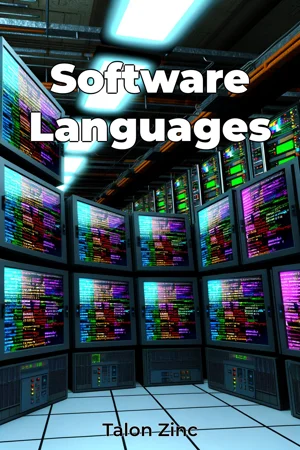
Software Languages: The Global Dominance of Programming Languages explores the fascinating world of programming languages that shape our digital landscape. This comprehensive guide delves into the evolution, market dominance, and real-world applications of influential languages like Python, JavaScript, and Java. The book argues that the choice of programming language significantly impacts software development efficiency and problem-solving capabilities across industries. Structured in three parts, Software Languages begins with fundamental concepts, then profiles widely-used languages, and concludes by examining future trends in programming. What sets this book apart is its holistic approach, viewing languages as living ecosystems influenced by community dynamics and global technological trends. It balances technical depth with clear explanations, making it accessible to both experienced programmers and curious non-technical readers. The book offers unique insights from interviews with language creators and industry leaders, while also exploring interdisciplinary connections between programming languages and fields like cognitive science. Readers will gain practical advice on choosing the right language for specific projects and strategies for managing multi-language software ecosystems. By understanding the strengths and limitations of today's dominant programming languages, readers will be better equipped to navigate the complex world of technology.
Book Details
ISBN
9788233931858
Publisher
Publifye AS
Your Licenses
You don't own any licenses for this book
Purchase a license below to unlock this book and download the EPUB.
Purchase License
Select a tier to unlock this book
Need bulk licensing?
Contact us for enterprise agreements.